New Year, New Garden: How to Set Goals You’ll Actually Achieve
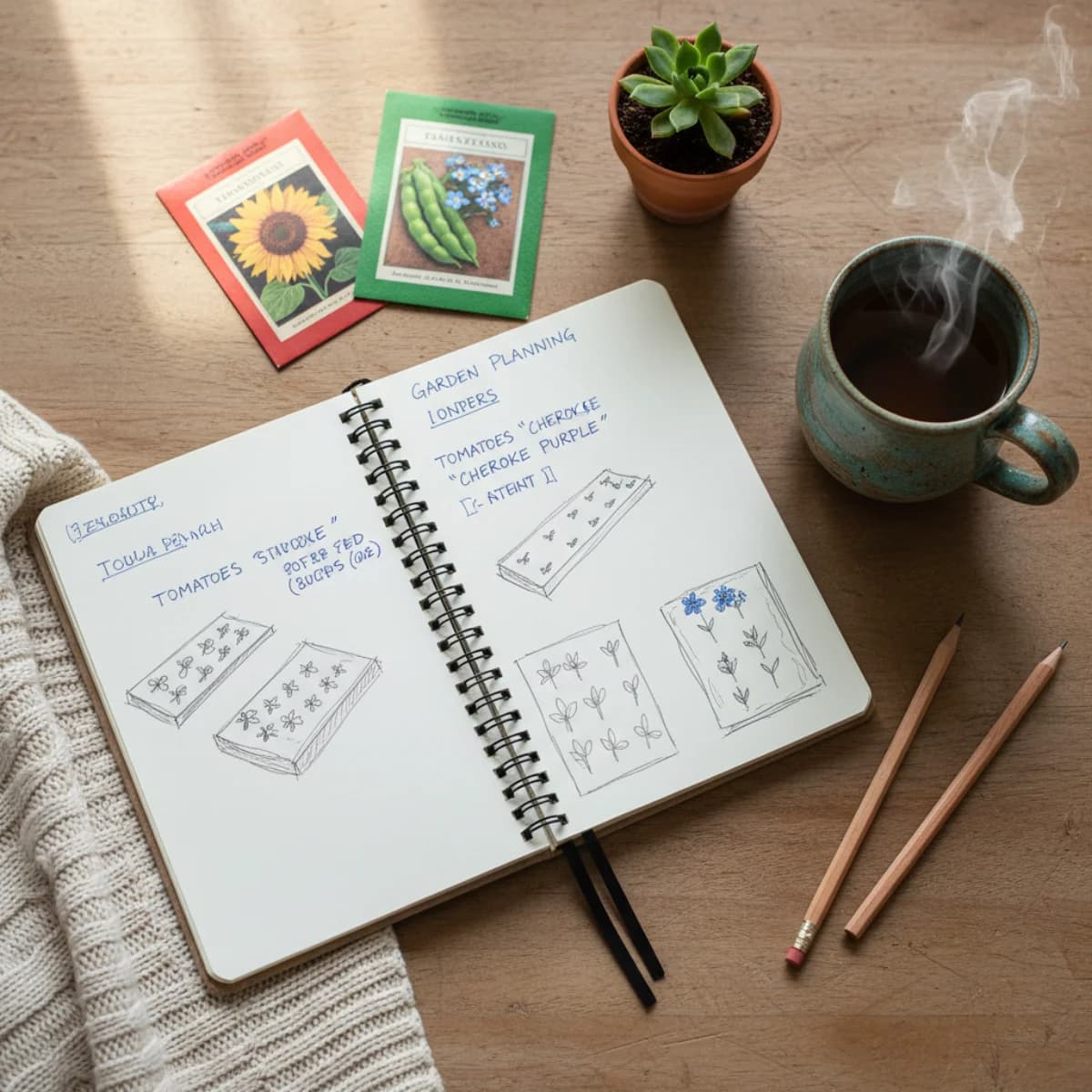
January first is a genuinely good day to think about your garden. Not because of any magic in the calendar, but because the garden is dormant, the pressure is off, and you have the mental space to imagine what you actually want instead of reacting to what’s happening right now.
Most garden resolutions fail for the same reason most resolutions fail: they’re not specific enough. “Have a more beautiful garden” gives you nothing to act on. “Add a cutting border along the south fence with zinnias, cosmos, and dahlias, starting seeds in March” gives you everything.
Here’s how to set garden goals that will actually guide your year.
Look Back Before You Look Forward
Before you start dreaming about this year, spend a few minutes on last year. What worked well? What did you plant too much of or too little of? Where did you feel proud walking through your garden, and where did you cringe?
Keep a mental or physical note of:
- What thrived: The vegetables that produced more than you expected, the perennial that finally hit its stride, the planting combination that stopped you in your tracks
- What disappointed: The tomato variety that underperformed, the spot you never figured out how to use, the project you meant to do but didn’t
- What you didn’t use: The herbs you grew but never harvested, the cutting garden you planted but rarely cut from
This isn’t about self-criticism—it’s about making sure this year’s plan builds on real information rather than optimism.
Choose a Focus for the Year
The biggest garden mistake is trying to do everything at once. You want to grow more vegetables and add more perennials and redesign the patio area and finally get the lawn sorted and tackle the shady side bed that’s been a mess for three years.
Pick one or two things to focus on seriously. Give them time, budget, and attention. Let everything else tick along at maintenance mode.
Possible annual focuses:
- First real vegetable garden: Dedicate this year to learning to grow food well
- Design overhaul: One area of the garden gets properly redesigned and planted
- Pollinators and wildlife: Retrofit the garden to support insects and birds
- Low-maintenance goals: Replace labor-intensive areas with ground covers and low-care perennials
- Productivity: Maximize harvests from the existing space through better planning and techniques
Having a theme makes decisions easier all year. When you’re looking at a new plant or project, the question becomes “does this serve my focus?” and the answer is usually clear.
Break Goals into Seasons
Garden goals that don’t have seasonal anchors tend to drift. “Plant more dahlias” becomes something you think about in August when it’s too late. Map your intentions to the four seasons:
Winter (Now)
- Finalize seed orders by mid-January
- Sketch or digitally plan any layout changes you’re making
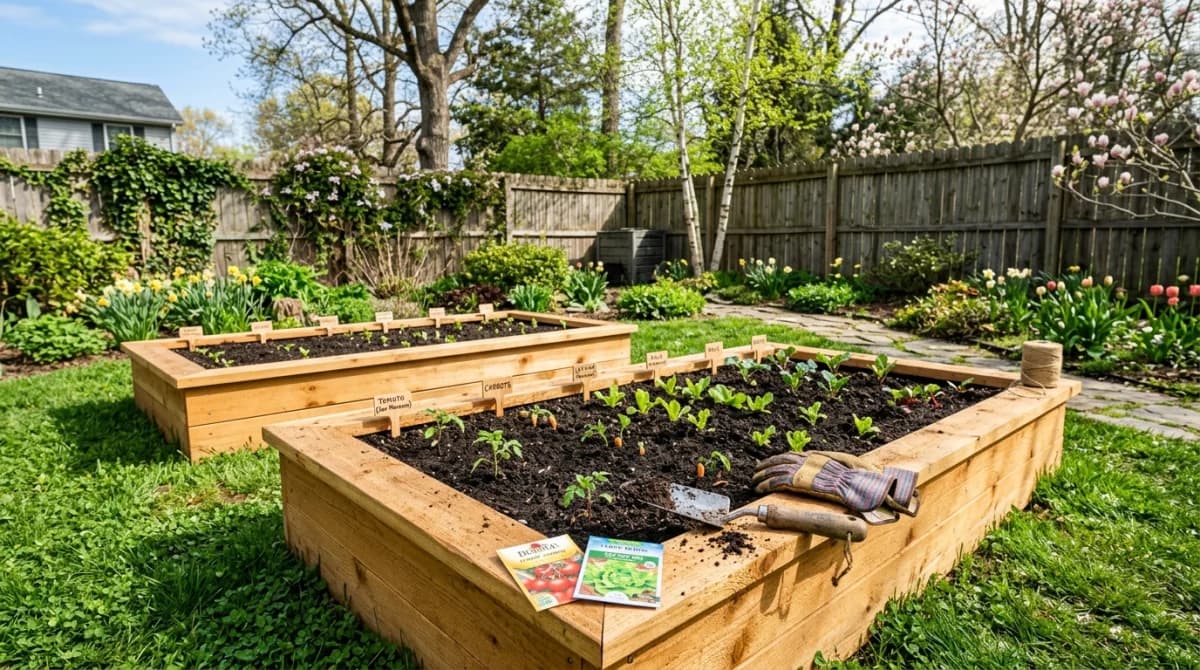
- Repair or build any structures (raised beds, trellises, compost bins) before the growing season rush
Spring
- Start seeds on schedule (calculate backward from your last frost date)
- Complete dormant pruning before bud break
- Amend beds before they dry out
Summer
- Succession sow quick crops every 2-3 weeks for continuous harvest
- Maintain irrigation and mulching to reduce watering burden
- Document what’s working with photos and notes
Fall
- Plant bulbs for spring
- Divide overcrowded perennials
- Take stock and make notes for next year’s planning
Make Your Goals Specific and Measurable
Vague: “Grow more vegetables” Specific: “Grow enough salad greens to eat from the garden 3 nights a week from May through October”
Vague: “Improve the front garden” Specific: “Remove the overgrown euonymus, add a low mixed hedge of native shrubs, and plant the border in front with drought-tolerant perennials before June”
The specific version tells you what to order, what to prep, and when you’ve succeeded. The vague version leaves you perpetually feeling like you haven’t done enough.
Budget Realistically
Garden spending has a way of spiraling. Seeds cost little individually but add up. A single specimen tree can cost more than a whole season of vegetable seeds. Structural elements like raised beds, edging, and hardscape are expensive.
Decide in advance what you’re willing to spend and where you’ll focus it. A rough allocation:
- Seeds and small plants: Usually the best value—a $4 seed packet can produce hundreds of dollars of vegetables
- Perennials and shrubs: Long-term investment that pays off over years
- Hardscape and structures: High upfront cost, but dramatically changes how a space feels and functions
- Tools: Buy quality once rather than cheap repeatedly; a good pair of pruning shears can last a decade
Write It Down
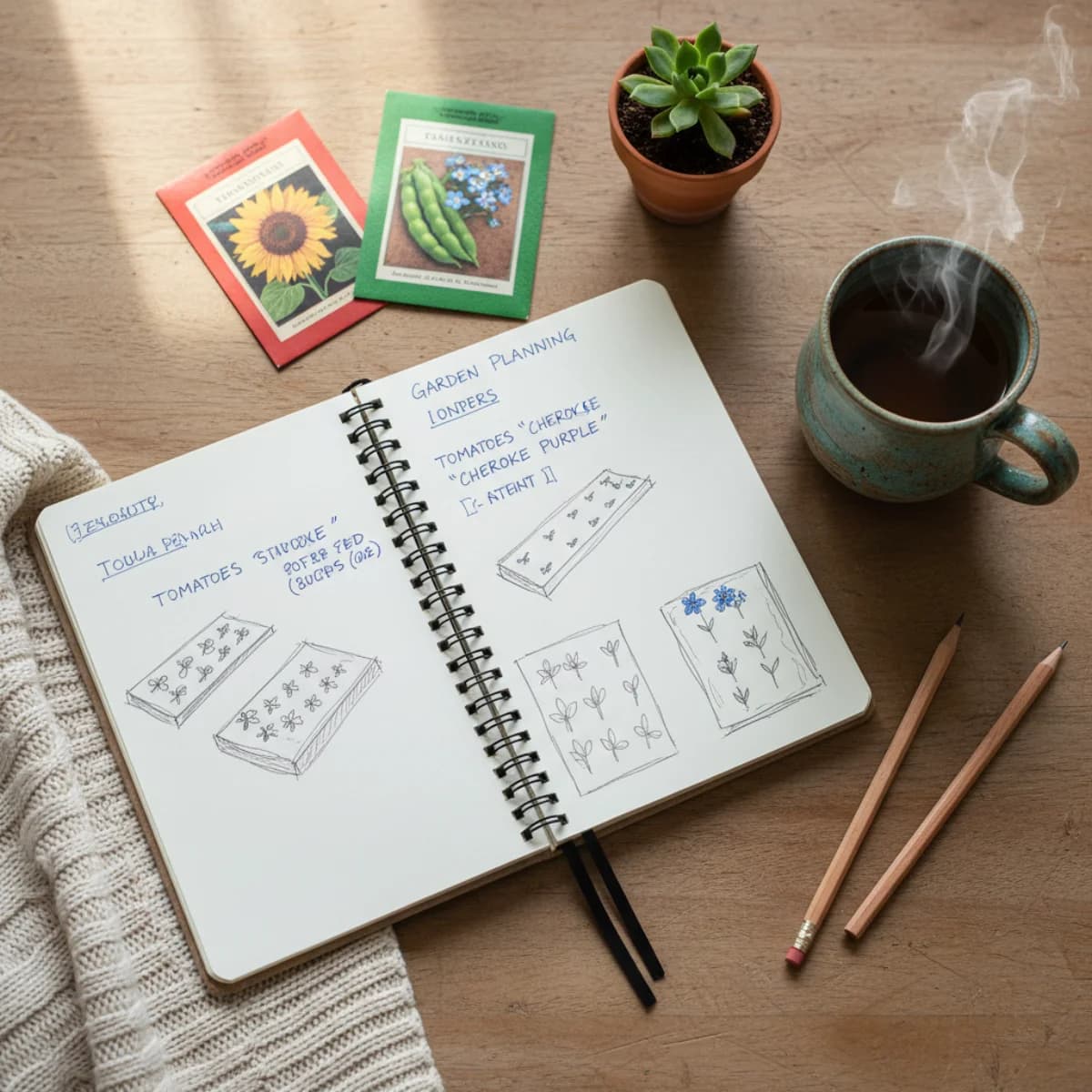
The difference between an intention and a plan is that a plan exists somewhere you’ll see it. A notebook, a note on your phone, a whiteboard in the garage—wherever you’ll actually look.
Write down your three to five main goals for the year, each with a rough timeline. Pull them out in March when the seed starting frenzy begins. Look at them in May when you’re deciding what to plant where. Check in at midsummer to see what’s on track.
Visualize the Finished Garden
One underrated step is spending time actually picturing what you want. Not in a woo way—in a practical way. What does the finished version of your garden look like in June? Where are you sitting? What are you looking at?
This visualization helps you make better plant selection and layout decisions. If the image in your head is a wild, romantic cottage border overflowing with blooms, you’ll make different choices than if it’s a productive vegetable garden with clean raised beds.
Gardenly is useful for this step—you can upload a photo of your actual garden and visualize design changes before committing to anything in the ground.
Start With One Action This Week
The best January garden goals lead to an action this week, not someday. What’s the first concrete thing you can do?
- Order your seed catalogs or browse online seed suppliers
- Make a list of last year’s regrets and wins
- Sketch out a rough plan for the area you’re focusing on
- Research the plants you want to add
January is long. The garden can wait. But the planning doesn’t have to.
This year’s garden starts now, in the quiet of winter, when there’s time to think clearly about what you actually want.
Sources & Further Reading
- Beginning a Vegetable Garden — Penn State Extension
- Planning a Vegetable Garden — National Gardening Association
- Planting the Vegetable Garden — University of Minnesota Extension
- Getting Your Vegetable Garden Ready for Spring — Penn State Extension