Planning the Perfect Kitchen Herb Garden
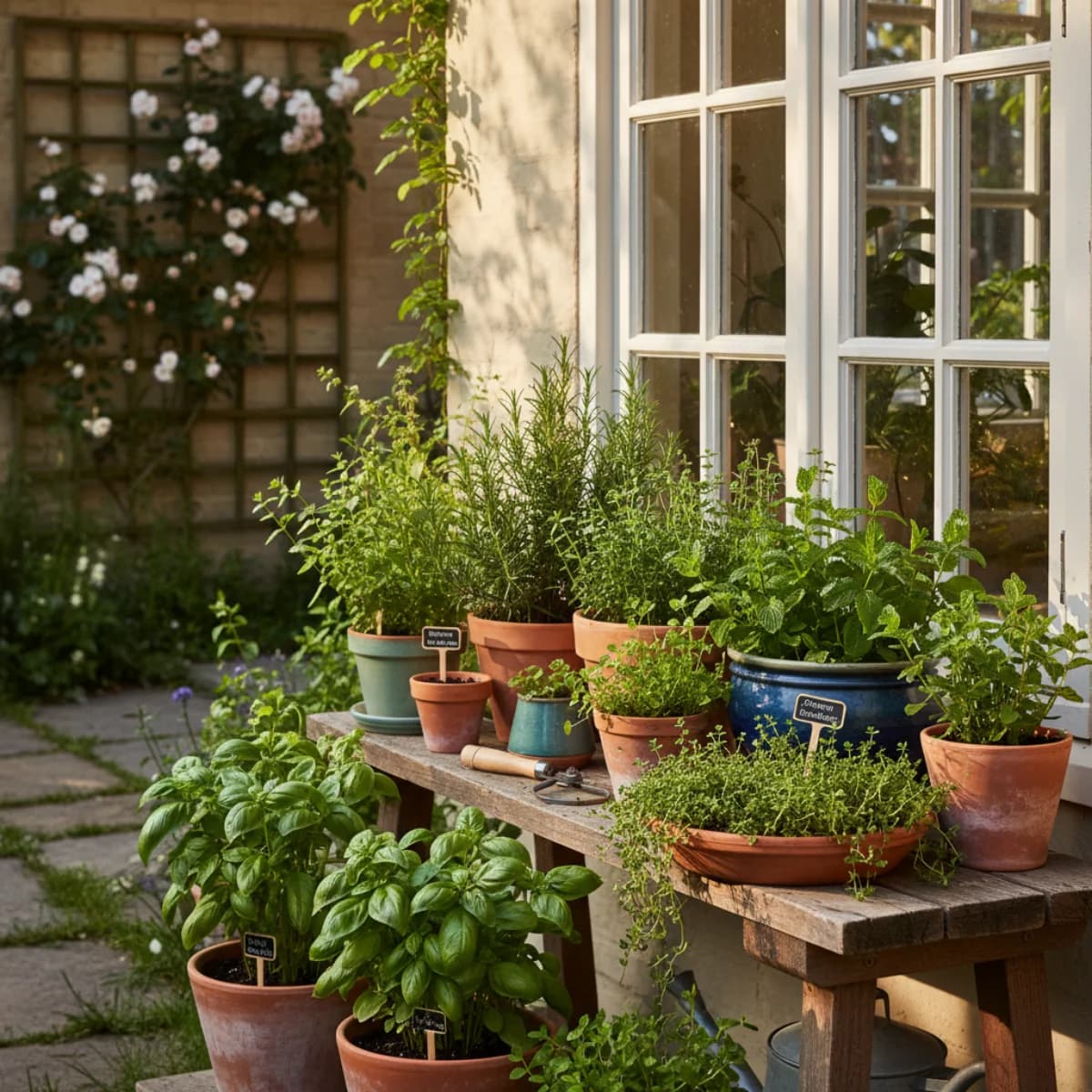
Fresh herbs transform cooking. A handful of basil on a summer tomato salad, a sprig of thyme into a winter stew, fresh cilantro over tacos—these aren’t optional extras. They’re what makes the difference between food that’s fine and food that’s memorable.
Growing your own herbs is one of the best gardening investments in terms of cost and use. Supermarket herb packages cost $3-5 for a small bunch that lasts a few days. A single $4 seed packet can produce a season’s worth of basil, cilantro, or dill. And the quality of herbs freshly cut—particularly soft herbs like basil and cilantro—is categorically different from anything packaged.
Planning your herb garden in January means you’ll have transplants ready to go outside when the weather is right, and indoor herbs established in time for spring cooking.
First: What Do You Actually Cook?
The most important question isn’t which herbs are popular or which are easiest to grow—it’s which herbs you use. A kitchen herb garden should be driven by your cooking habits, not gardening convention.
Go through your recipe collection or think about the dishes you cook most frequently. Make a list of the herbs that appear:
Mediterranean cooking: basil, oregano, thyme, rosemary, sage, flat-leaf parsley Asian cooking: cilantro, Thai basil, lemongrass, shiso, chives French-style cooking: tarragon, chervil, chives, flat-leaf parsley, thyme All-purpose: parsley (flat-leaf), chives, thyme, rosemary
Grow what you cook with, not what seems like a good idea.
Understanding Herb Categories
Herbs fall into categories that determine how to grow and use them:
Annual Herbs (Replant Every Year)
Basil: The quintessential summer herb. Loves heat, hates cold. Plant outdoors after your last frost date; in most climates, you’ll want multiple plants for generous harvests. Start from seed indoors 6-8 weeks before last frost.
Cilantro: Bolts (goes to seed) quickly in heat. Best in cool weather—spring and fall. Succession sow every 3-4 weeks for continuous supply. Direct sow works better than transplanting for cilantro.
Dill: Tall, feathery, and anise-flavored. Good for pickles, fish, and European-style cooking. Bolt-tolerant varieties like ‘Dukat’ or ‘Hercules’ stay leafy longer. Direct sow in place—dill doesn’t transplant well.
Chervil: The most underused herb in the garden. Fine-textured, with a gentle anise-parsley flavor. Excellent in French cooking. Grows in cool weather like cilantro; bolts in heat.
Summer savory: Excellent with beans. Annual version is more delicate than winter savory.
Perennial Herbs (Planted Once, Return Each Year)
Thyme: Hardy to Zone 4-5 and extremely drought-tolerant once established. Common thyme, lemon thyme, and French thyme all work well. Essential for roasts, soups, and herb mixes.
Rosemary: Hardy in Zone 6-7 and warmer; treat as tender in Zone 5 and below (bring indoors or protect heavily over winter). Very drought-tolerant; hates wet feet.
Sage: Hardy to Zone 4-5. Large, silver-green leaves with strong flavor. Use in pasta, stuffing, butter sauces.
Mint: Extremely vigorous—almost aggressive. Grow in containers or with a physical barrier underground to prevent it colonizing the whole bed. Spearmint and peppermint for culinary use; apple mint and chocolate mint for teas.
Chives: Hardy, clump-forming, almost indestructible. Mild onion flavor. Produces beautiful edible purple flowers in late spring. Good divided and shared.
French tarragon: Important distinction: French tarragon (the culinary one, with true anise flavor) cannot be grown from seed—it must be purchased as a plant. Russian tarragon seeds are available but the flavor is inferior. Buy a named French tarragon plant from a reputable nursery.
Lovage: Underappreciated perennial with a strong celery-like flavor. One large plant produces more than most households can use. Hardy to Zone 3.
Tender Perennials (Perennial Where Hardy, Annual Elsewhere)
Lemongrass: A warm-climate perennial (Zone 9+) that’s grown as an annual in colder regions. Large, structural clumps with excellent flavor for Southeast Asian cooking. Very easy from divisions.
Shiso (Perilla): Japanese herb with a unique anise-like flavor. Annual; self-seeds prolifically if allowed. Both green and red varieties available.
Garden Placement
Outdoors
An outdoor herb garden needs full sun (6+ hours) and well-drained soil. Most Mediterranean herbs—thyme, rosemary, sage, oregano—are adapted to poor, dry conditions and will rot in wet, rich soil. Don’t add too much compost to a bed intended for these herbs.
Basil, parsley, and cilantro benefit from slightly richer, more moisture-retentive conditions.
Consider proximity to the kitchen. You’re more likely to use herbs you can grab while cooking; a kitchen garden just outside the back door gets used more than one at the far end of the garden.
In Containers
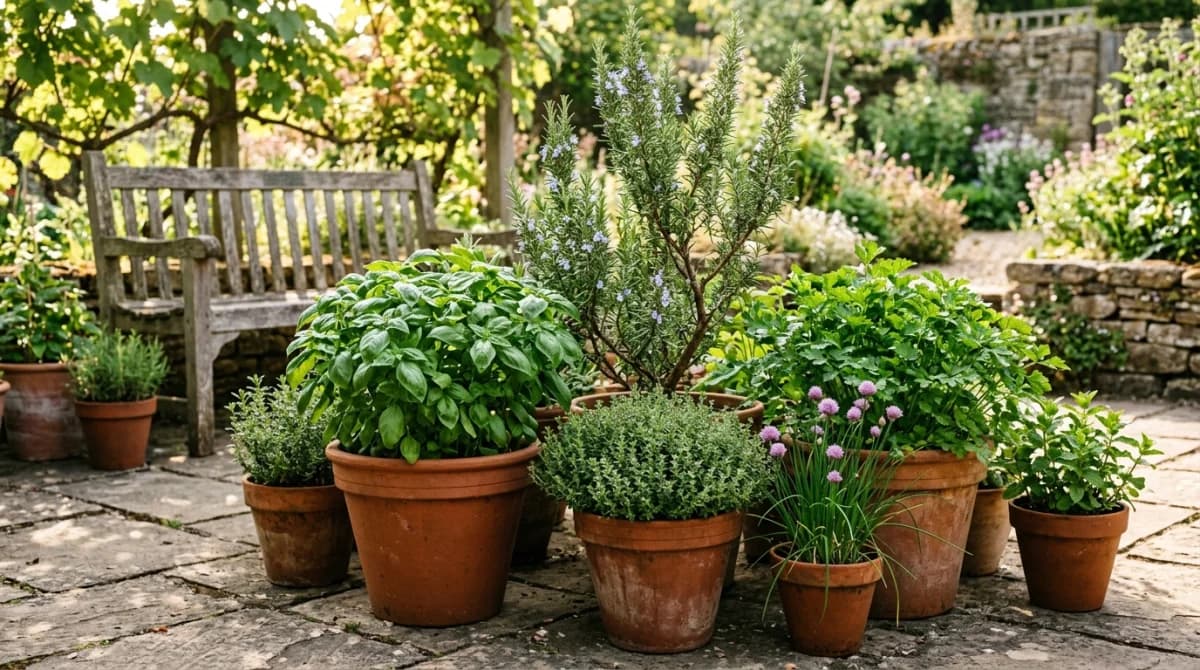
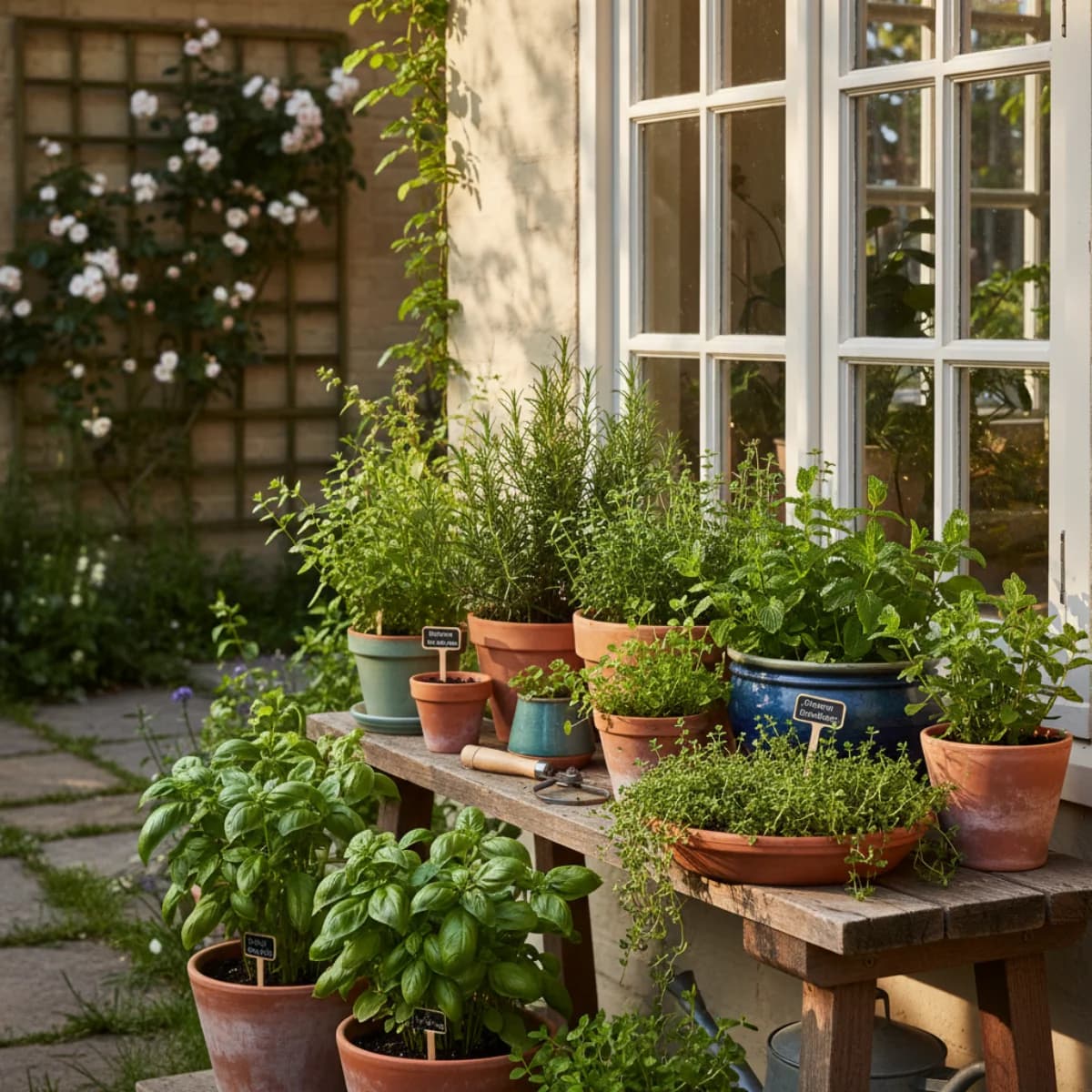
Container herb gardens are ideal for patios, balconies, or people who want flexibility. Use a fast-draining potting mix (add perlite or coarse sand to standard potting compost). Terracotta pots look beautiful and the porosity helps prevent overwatering—but water more frequently than plastic.
Group compatible herbs together: Mediterranean herbs (thyme, rosemary, sage, oregano) in dry, sunny pots; moisture-lovers (basil, cilantro, parsley) in pots that stay more consistently moist.
Mint in its own container—always.
Indoors
Many herbs can be grown on a sunny windowsill, though most need more light than they get indoors (especially in winter). A south-facing window is best; supplement with a grow light if stems get leggy.
Herbs that do reasonably well indoors: chives, mint, parsley, chervil. Herbs that struggle without supplemental light in winter: basil, rosemary, thyme.
January Planning and Seed Starting
For herbs you’ll start from seed:
Start indoors now: Slow-growing perennials—rosemary, thyme, sage, lavender—need 10-14 weeks indoors and benefit from early January starting.
Start indoors in February-March: Basil (6-8 weeks before last frost). Parsley (10-12 weeks before last frost—it’s slow to germinate).
Direct sow outdoors: Dill, cilantro, and chervil are best direct-sown in place at the appropriate time—they don’t transplant well.
Buy as plants: French tarragon (cannot be grown from seed), established mint and chives (much faster than seed), and anything labeled “vegetatively propagated” (specific cultivars that don’t come true from seed).
Use January to order seeds, decide on container types and sizes, plan bed placement, and set up your seed-starting area. The herbs you plan now will be producing by early summer—sometimes sooner.
Sources & Further Reading
- Growing herbs in home gardens — University of Minnesota Extension
- Herbs for the Home Gardener — Penn State Extension
- Growing Herbs Outdoors — Penn State Extension
- Growing basil in home gardens — University of Minnesota Extension