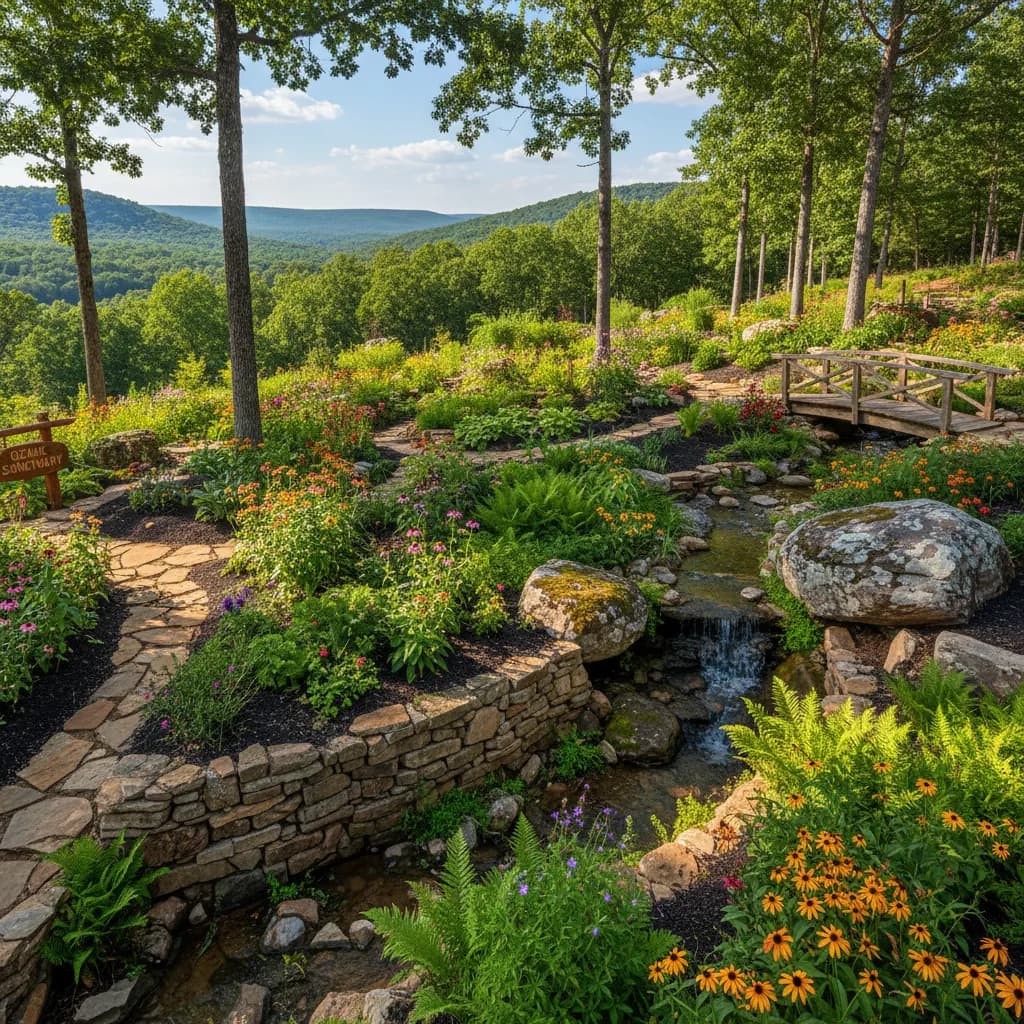
Arkansas Climate Snapshot
Understanding your local climate is key to creating a thriving, low-maintenance garden
Hardiness Zones
6b, 7a, 7b, 8a
Annual Rainfall
45–55 inches annually, distributed fairly evenly through the year
Frost Window
Last frost: late March (north) to early March (south); first frost: late October (north) to mid-November (south)
Water Notes
Adequate rainfall for most plants without irrigation; summer drought spells common July–August, particularly in western Arkansas near Oklahoma border
Popular Landscaping Styles
Discover design styles perfectly suited to Arkansas's unique climate and landscape
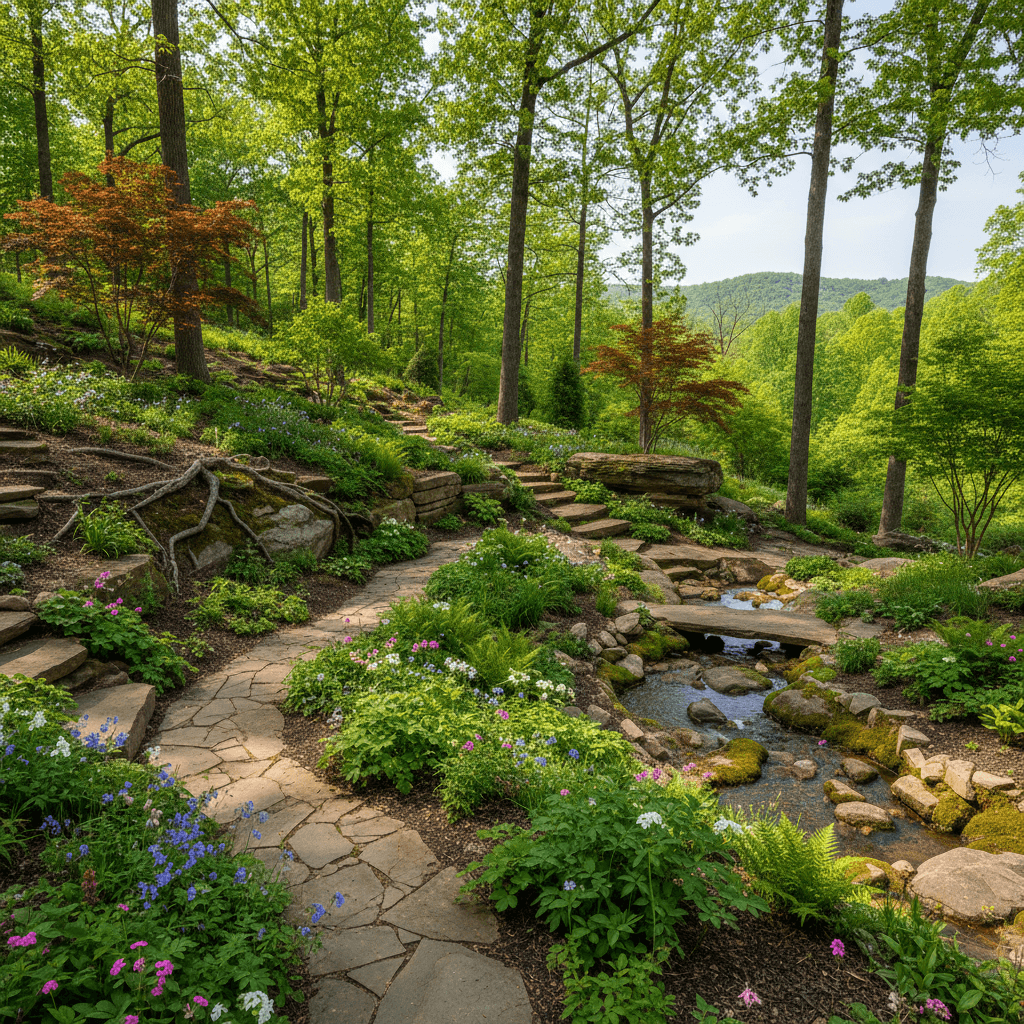
Naturalistic design inspired by the mixed hardwood forests of the Ozark and Ouachita highlands — using native wildflowers, ferns, and understory trees on rocky, acidic hillside soils
Key Features:
- •Eastern redbud and flowering dogwood as early-spring canopy layers
- •Wild blue phlox (Phlox divaricata) and trillium as woodland floor plants
- •Arkansas bluestar (Amsonia hubrichtii) for steel-blue spring flowers and gold fall foliage
- •Native limestone or sandstone retaining walls matching local geology
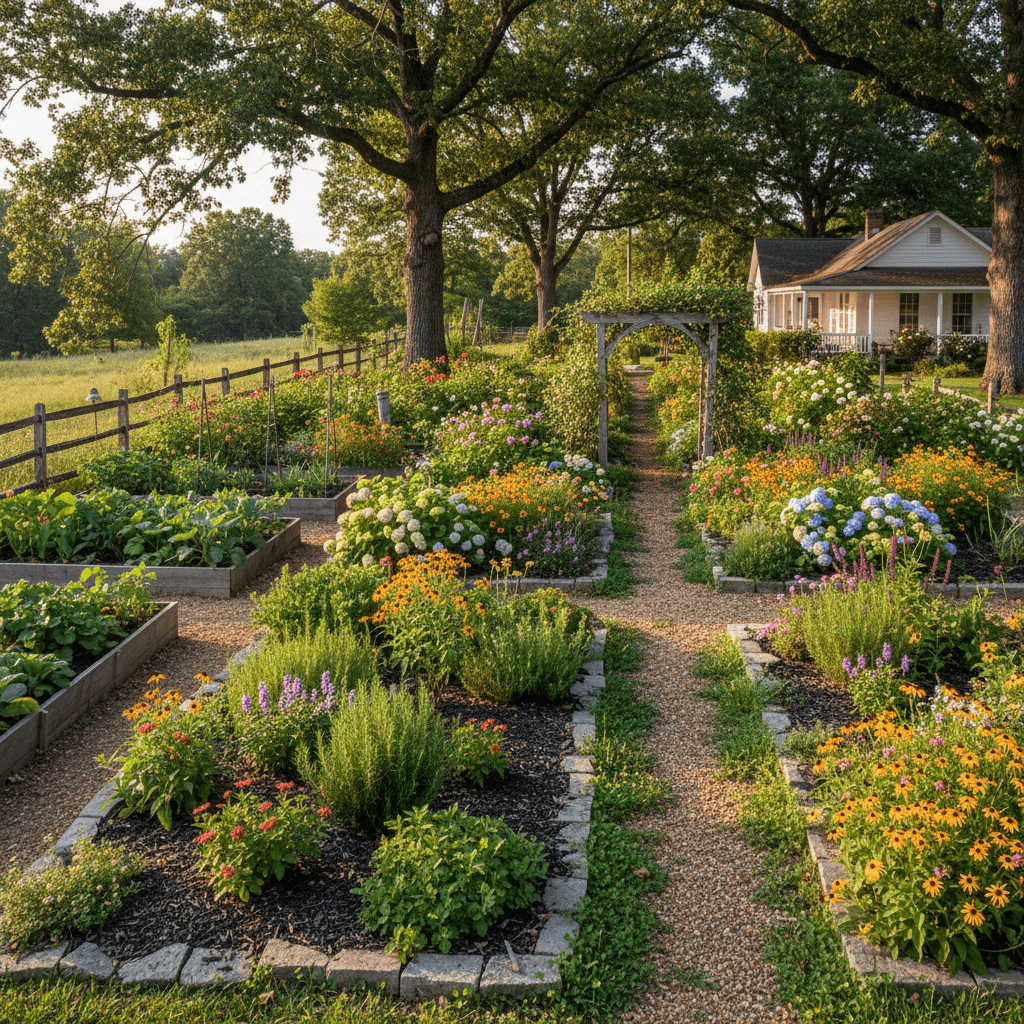
Informal, layered Southern style suited to the flat alluvial lands of eastern and southern Arkansas — abundant blooms, shade trees, and productive kitchen gardens
Key Features:
- •Crepe myrtles as multi-stem summer flowering trees
- •Daylily and coneflower borders along fences and walkways
- •Southern magnolia or live oak for long-term canopy shade
- •Raised vegetable beds in composted Delta soil
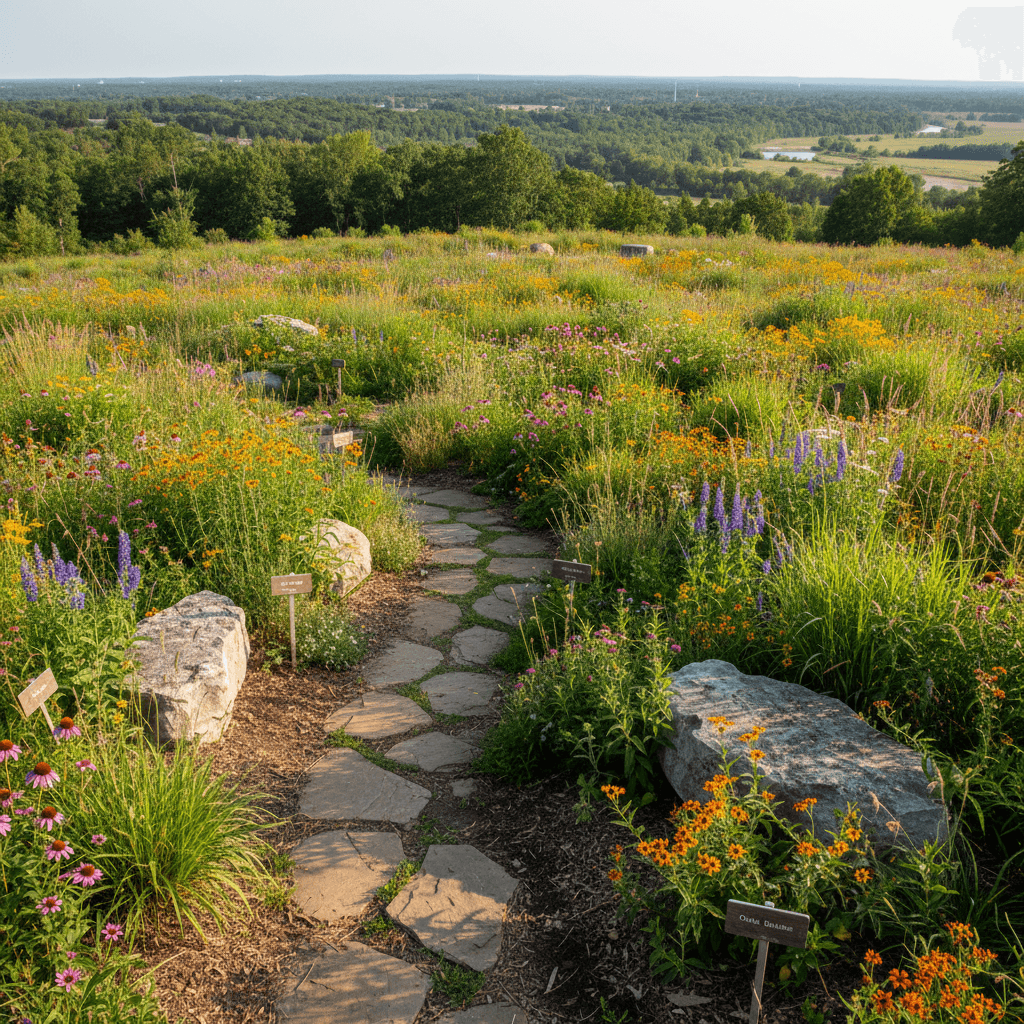
Prairie-influenced design using Arkansas native wildflowers and grasses — particularly effective in the transition zone between Ozarks and Delta where both highland and lowland species thrive
Key Features:
- •Arkansas bluestar, purple coneflower, and black-eyed Susan for sequential bloom
- •Little bluestem and sideoats grama as native grass structure
- •Mowed edge paths to keep the design looking intentional, not unkempt
- •Brush pile or log stack as wildlife habitat feature
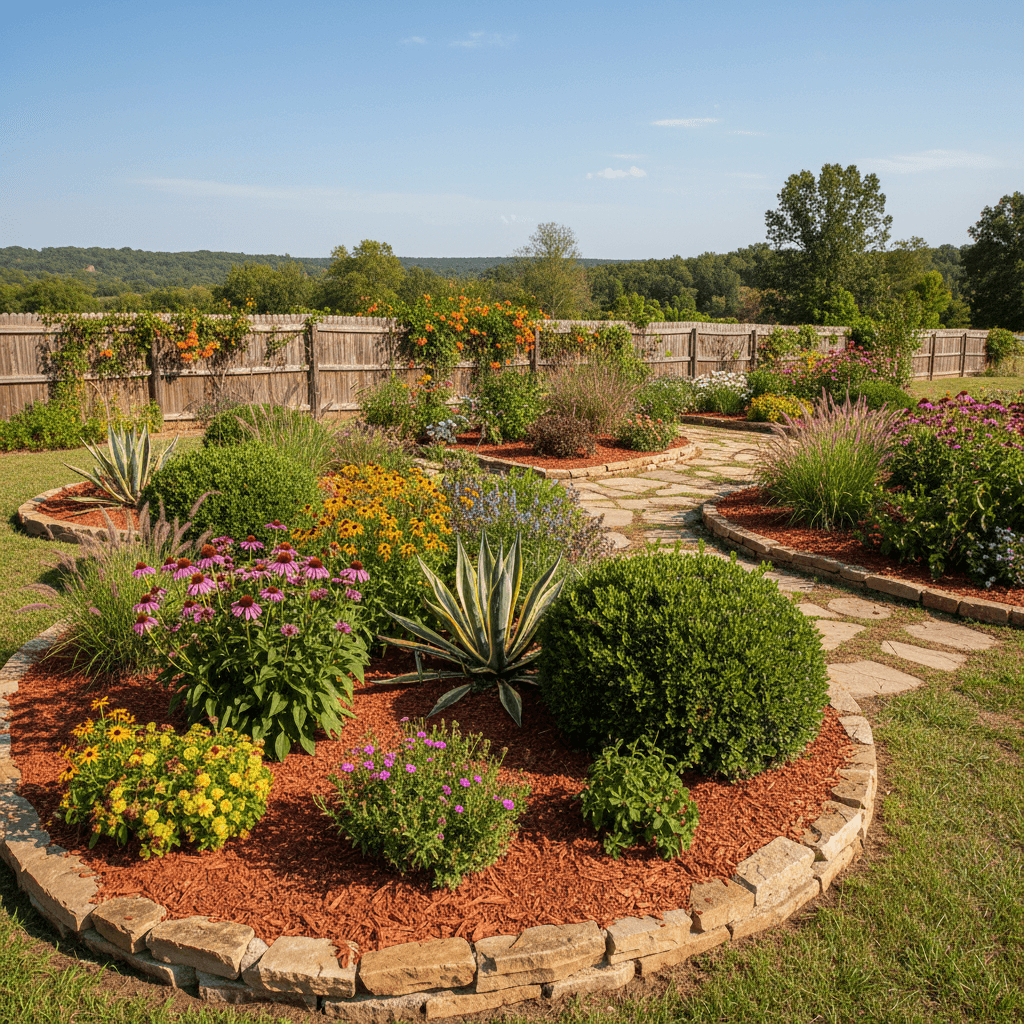
Practical, year-round design emphasizing drought-tolerant natives and adapted plants that need minimal care once established — ideal for Arkansas homeowners with limited time
Key Features:
- •Loropetalum and native azaleas for low-maintenance spring color
- •Liriope muscari as no-mow border edging
- •Native sweetshrub (Calycanthus floridus) for fragrant understory
- •Mulched beds reducing mowing and weed pressure
Recommended Plant Palettes
Native and adapted plants that thrive in Arkansas's climate
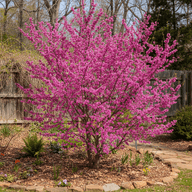
Eastern Redbud
Cercis canadensis
Covered in magenta-pink flowers in late March before leaves emerge; one of the most reliable native spring-blooming trees across all Arkansas zones — tolerates clay, sandy loam, and rocky Ozark soils
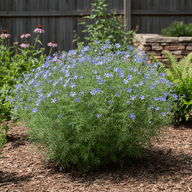
Arkansas Bluestar
Amsonia hubrichtii
Arkansas native endemic to the Ouachita Mountains; steel-blue star flowers in spring, fine-textured summer foliage, brilliant golden fall color — a four-season plant that requires zero care once established
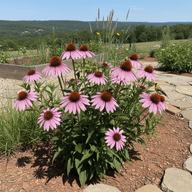
Purple Coneflower
Echinacea purpurea
Pink-purple daisy flowers June–August attract bees and goldfinches; drought-tolerant prairie native that thrives in Arkansas clay and adapts to rocky Ozark soils with no supplemental watering
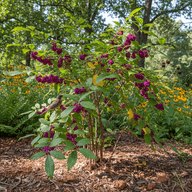
American Beautyberry
Callicarpa americana
Arching shrub with electric-magenta berries in September–October; native to Arkansas woodlands, tolerates part shade and clay soil, and provides critical late-season food for 40+ bird species
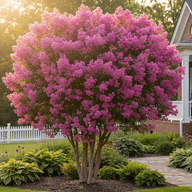
Crepe Myrtle
Lagerstroemia indica
Summer-blooming tree or large shrub with flowers June–September in white, pink, red, or purple; tolerates Arkansas heat and humidity and provides attractive exfoliating bark through winter
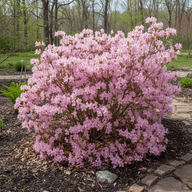
Native Azalea
Rhododendron canescens
Fragrant pink flowers in April before leaves emerge; native to Ozark and Ouachita highlands and far more durable than imported Asian azaleas in Arkansas soils and summer heat
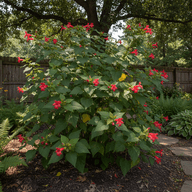
Turk's Cap
Malvaviscus arboreus
Red pinwheel flowers from June through frost attract hummingbirds; thrives in shade or sun with summer heat and humidity that defeats most perennials
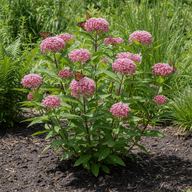
Swamp Milkweed
Asclepias incarnata
Pink flowers June–August are monarch butterfly host and nectar source; tolerates the wet clay and seasonal flooding common in Delta and river-bottom Arkansas landscapes
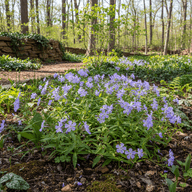
Wild Blue Phlox
Phlox divaricata
Native woodland groundcover producing fragrant lavender-blue flowers in April–May under the deciduous canopy; spreads gently to fill shaded areas in Ozark-style gardens
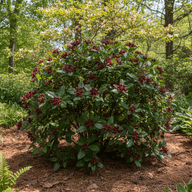
Sweetshrub
Calycanthus floridus
Rounded native shrub with unusual burgundy-brown flowers with a strawberry-spice fragrance in May; adapts to part shade and clay — a Southern heirloom plant native to Arkansas
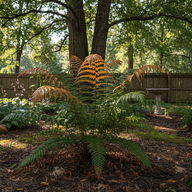
Autumn Fern
Dryopteris erythrosora
New fronds emerge coppery-orange before maturing to deep green; one of the most adaptable ferns for Arkansas shade gardens — semi-evergreen and tolerates summer heat
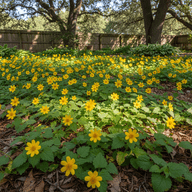
Green-and-Gold
Chrysogonum virginianum
Native groundcover with bright yellow flowers spring through fall in dappled shade; spreads to suppress weeds under trees and requires no supplemental watering after establishment
Seasonal Garden Checklist
Your year-round guide to maintaining a beautiful Arkansas garden
Plant spring bulbs (tulips, daffodils, alliums) before ground freezes
Prune dormant trees, fruit trees, and summer-blooming shrubs
Plant cool-season vegetables: broccoli, cabbage, lettuce, carrots, peas
Transplant native shrubs and perennials; apply pre-emergent to turf
Plant warm-season crops after last frost; mulch all beds to 3 inches
Deadhead perennials, monitor for pests, water during July–August drought
Frequently Asked Questions
Get answers to common questions about landscaping in Arkansas
Explore Garden Styles in Arkansas
Browse detailed design guides with climate-adapted tips and plant lists for Arkansas.
Free Planning Tools
Use our free tools to plan and build your Arkansas garden.
Ready to Design Your Arkansas Garden?
Upload a photo of your yard and get AI-powered garden designs tailored to Arkansas's climate with native and adapted plants.
Design Your Garden