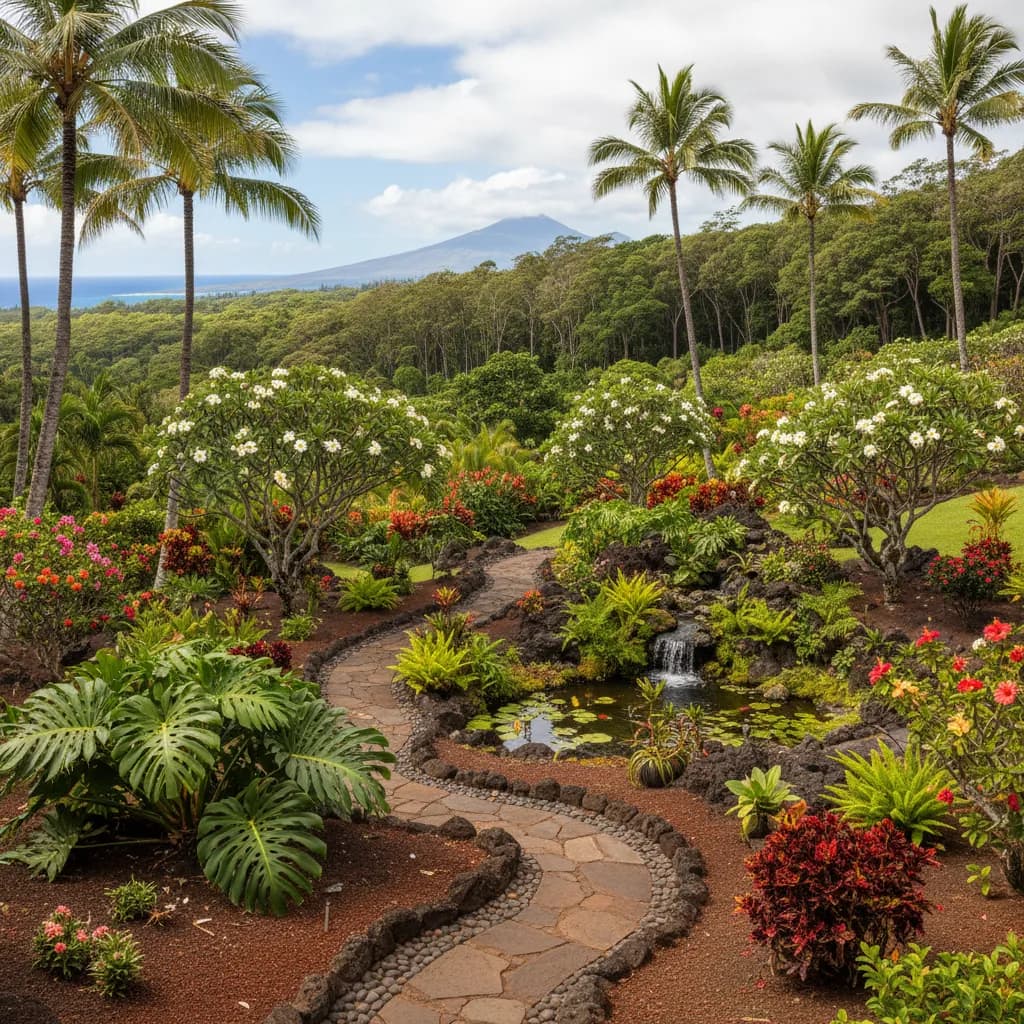
Hawaii Climate Snapshot
Understanding your local climate is key to creating a thriving, low-maintenance garden
Hardiness Zones
9a, 9b, 10a, 10b, 11a, 11b, 12a, 12b
Annual Rainfall
15–400 inches annually depending on island, elevation, and windward/leeward exposure
Frost Window
Frost-free below 2,000 ft elevation; frost possible above 4,000 ft on Maui and Big Island
Water Notes
Leeward areas (Kona, West Maui, Oahu west side) need drip irrigation; windward areas may need drainage management. Trade wind patterns shift November–March, reducing rainfall statewide.
Popular Landscaping Styles
Discover design styles perfectly suited to Hawaii's unique climate and landscape
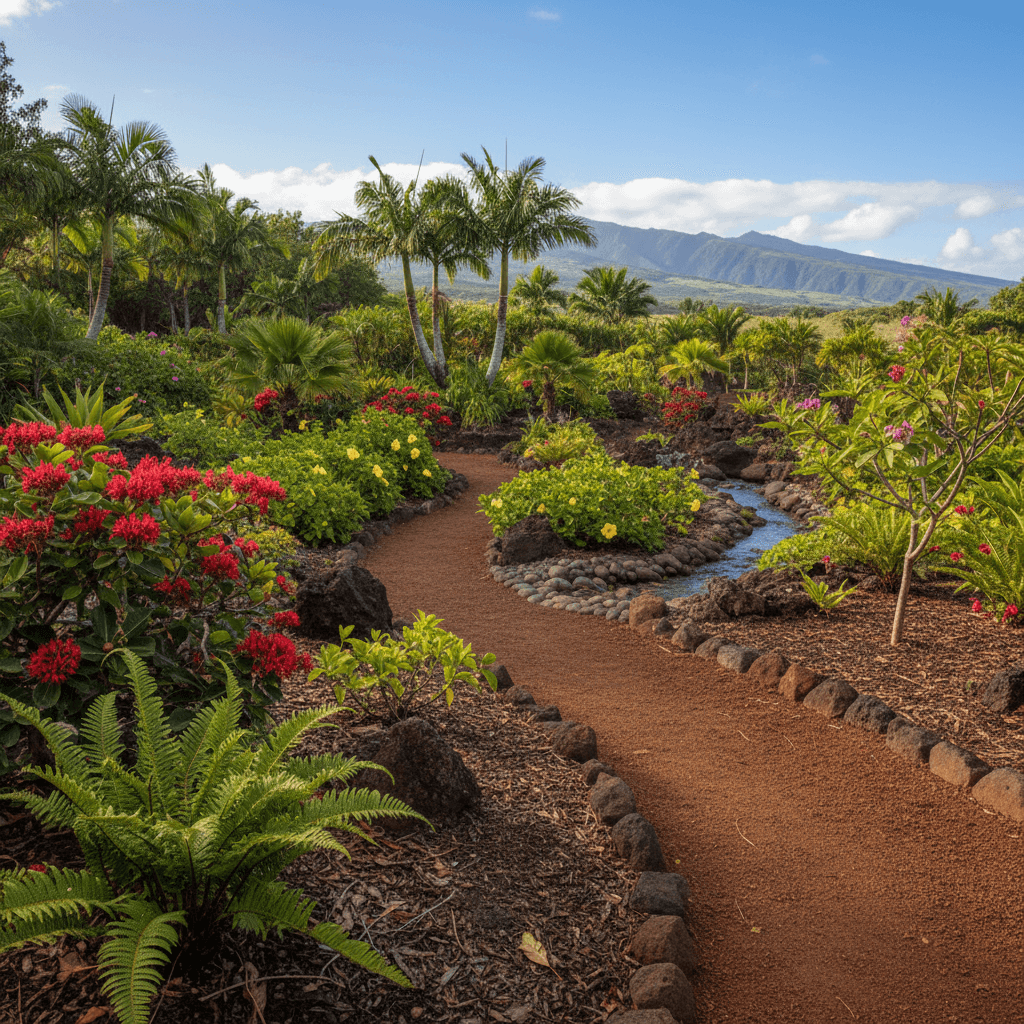
Ecologically restorative design using plants indigenous to the Hawaiian Islands — the most important category for homeowners who want to support native birds, bees, and reverse habitat loss
Key Features:
- •Ohia lehua (Metrosideros polymorpha) as the keystone native tree
- •Hapuu tree fern (Cibotium spp.) for lush tropical understory
- •Native naupaka (Scaevola taccada) for coastal erosion control
- •Palapalai fern (Microlepia strigosa) as shade groundcover
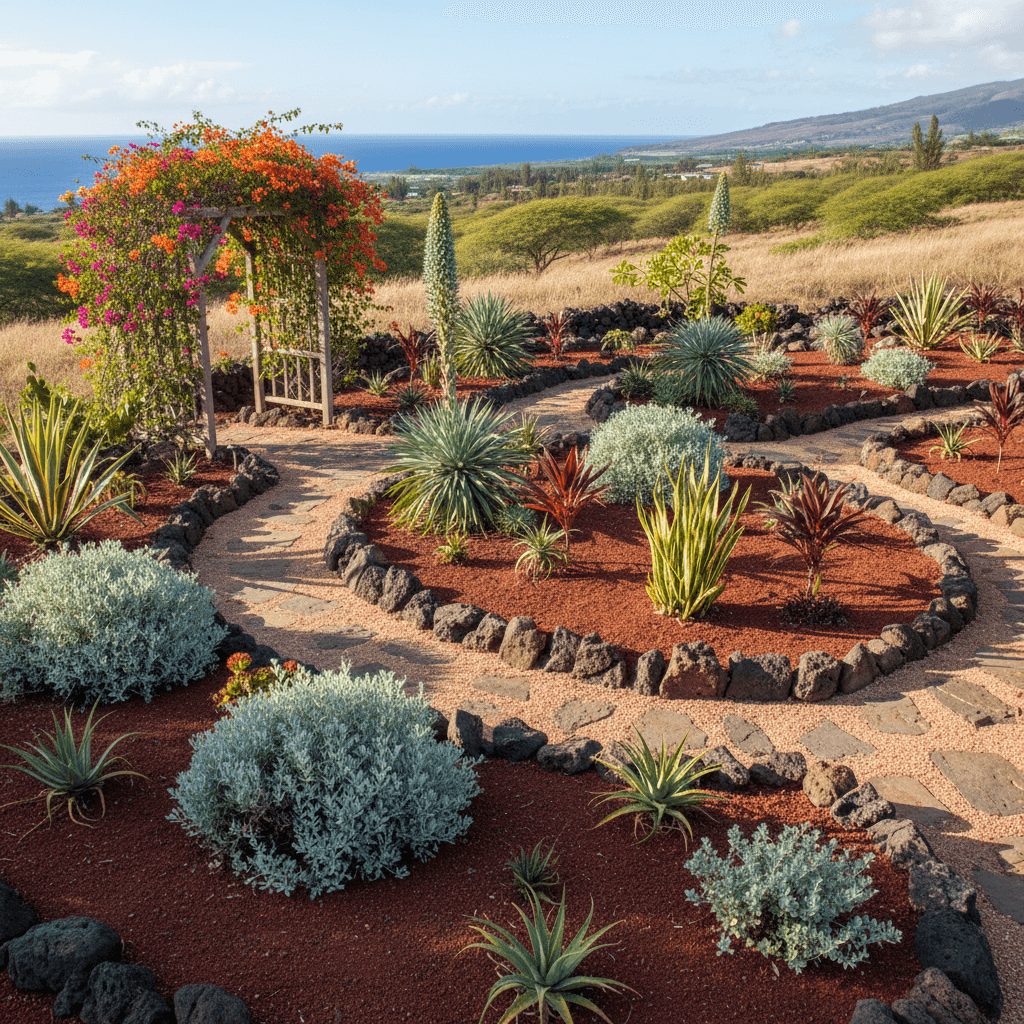
Water-wise design for Oahu's west side, Kona coast, and South Maui — areas receiving under 30 inches of rain annually where irrigation is required for most plants
Key Features:
- •Drought-tolerant native wiliwili tree (Erythrina sandwicensis)
- •Kiawe (Prosopis pallida) as shade canopy in hot dry zones
- •Succulent ground covers including native pili grass
- •Drip irrigation with mulched volcanic gravel to retain moisture
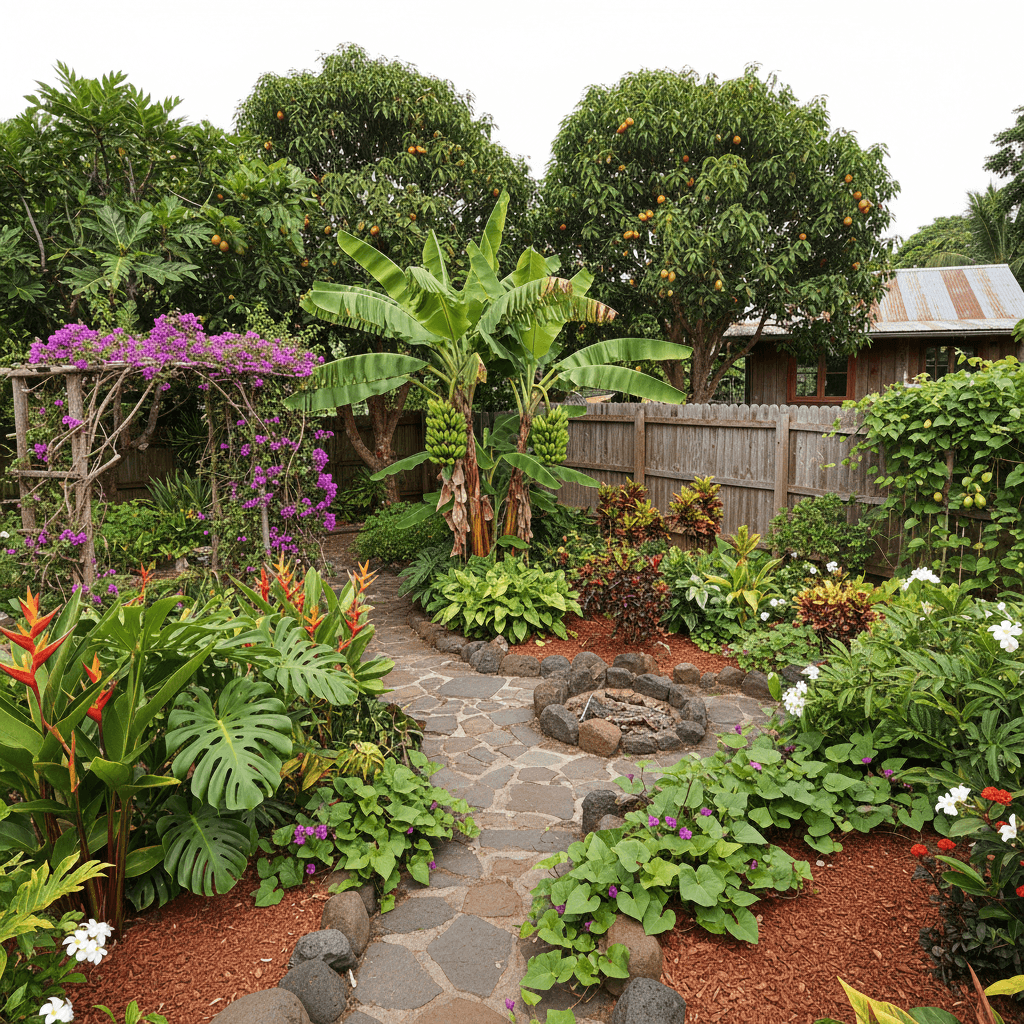
Informal, layered design combining tropical flowering plants with food-producing trees — the traditional approach in windward residential neighborhoods on Oahu, Maui, and the Big Island
Key Features:
- •Plumeria and bird of paradise for year-round color
- •Papaya, banana, and starfruit integrated into planting beds
- •Heliconia and ginger as bold accent plants
- •Ti plants (Cordyline fruticosa) for boundary screening
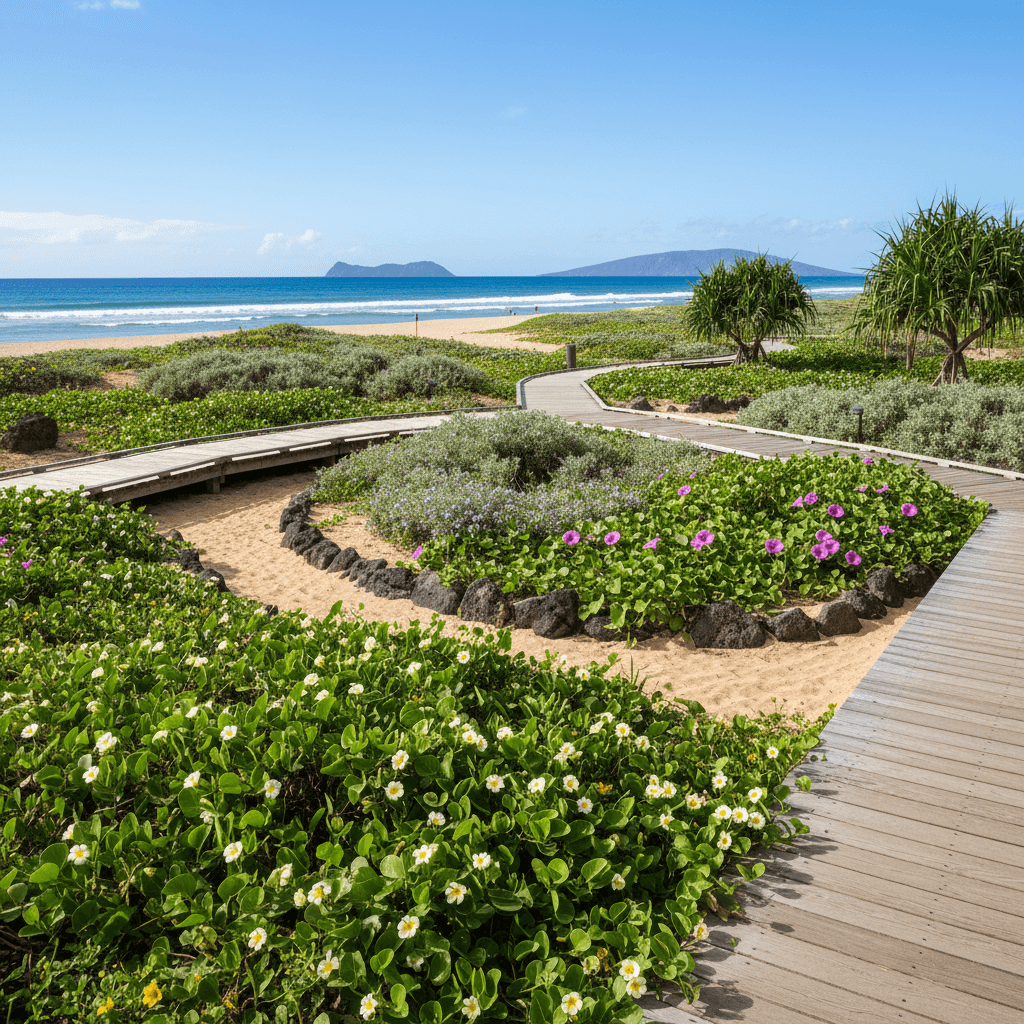
Salt-spray tolerant design for beachfront and oceanfront properties — using Hawaii's native strand plants to stabilize dunes, reduce erosion, and create low-maintenance shoreline landscapes
Key Features:
- •Beach naupaka (Scaevola taccada) as primary erosion control
- •Pohuehue (Ipomoea pes-caprae) beach morning glory as fast-spreading groundcover
- •Pandanus (Pandanus tectorius) as wind-resistant structural tree
- •Naio (Myoporum sandwicense) for salt and wind tolerance
Recommended Plant Palettes
Native and adapted plants that thrive in Hawaii's climate
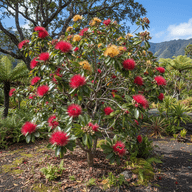
Ohia Lehua
Metrosideros polymorpha
The most ecologically important native Hawaiian tree — produces brilliant red (occasionally yellow or orange) pompom flowers that feed native honeycreeper birds; adapts from sea level to 7,000 ft elevation
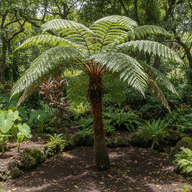
Hapuu Tree Fern
Cibotium glaucum
Iconic Hawaiian tree fern reaching 15–20 ft with graceful arching fronds; thrives in windward wet gardens and provides dramatic tropical structure impossible to replicate with non-natives
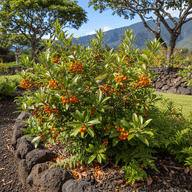
Pilo
Coprosma ochracea
Versatile native shrub producing orange berries eaten by native birds; works as foundation planting, hedge, or understory filler across wet and mesic gardens
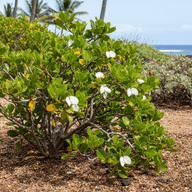
Naupaka Kahakai
Scaevola taccada
Native beach shrub with distinctive half-moon white flowers; salt and wind tolerant, spreads to stabilize coastal soil, and hosts native invertebrates
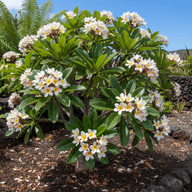
Plumeria
Plumeria obtusa
Fragrant white, yellow, or pink flowers used for lei-making; nearly care-free in leeward gardens once established — tolerates drought and poor volcanic soil
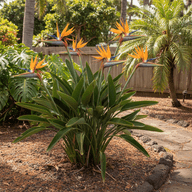
Bird of Paradise
Strelitzia reginae
Striking orange and blue flowers on long stems bloom throughout the year in Hawaii; extremely drought-tolerant once established and long-lived with minimal care
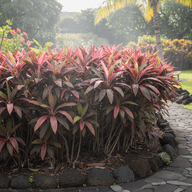
Ti Plant
Cordyline fruticosa
Used in Hawaiian culture for centuries; red or green strap-like foliage grows 4–6 ft with almost no care — works as a natural privacy hedge in wet and mesic gardens

Heliconia
Heliconia psittacorum
Parrot heliconia produces vivid orange-red flower bracts spring through fall; spreads by rhizome to fill beds in windward gardens and attracts birds with nectar
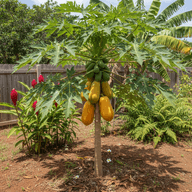
Papaya
Carica papaya
Fast-growing tree fruits within 6–9 months of planting; produces year-round in warm lowland Hawaii and is a staple of informal tropical food gardens
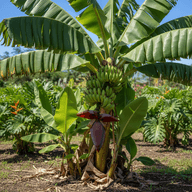
Banana
Musa acuminata
Dwarf Cavendish and apple banana varieties are most practical for home gardens; bears fruit in 9–12 months and sends up new keikis (suckers) to maintain the planting
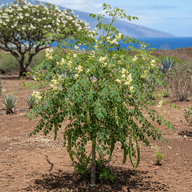
Moringa
Moringa oleifera
Fast-growing tree with edible leaves, flowers, and pods; extraordinarily drought-tolerant once established — thrives in leeward areas where most vegetables struggle
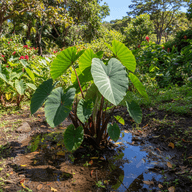
Taro
Colocasia esculenta
Culturally central Hawaiian food plant producing large edible corms; grows in wet or flooded conditions that would rot most other plants — excellent for naturally wet low spots
Seasonal Garden Checklist
Your year-round guide to maintaining a beautiful Hawaii garden
Plant warm-season vegetables: tomatoes, peppers, beans, eggplant
Fertilize tropical plants with a slow-release balanced fertilizer
Monitor for and treat coqui frogs, slugs, and scale insects
Plant cool-season crops: lettuce, kale, broccoli, herbs at higher elevations
Check drip irrigation emitters and adjust for reduced winter rainfall on leeward sides
Prune plumeria and tropical shrubs after bloom cycle; propagate cuttings
Frequently Asked Questions
Get answers to common questions about landscaping in Hawaii
Explore Garden Styles in Hawaii
Browse detailed design guides with climate-adapted tips and plant lists for Hawaii.
Free Planning Tools
Use our free tools to plan and build your Hawaii garden.
Ready to Design Your Hawaii Garden?
Upload a photo of your yard and get AI-powered garden designs tailored to Hawaii's climate with native and adapted plants.
Design Your Garden