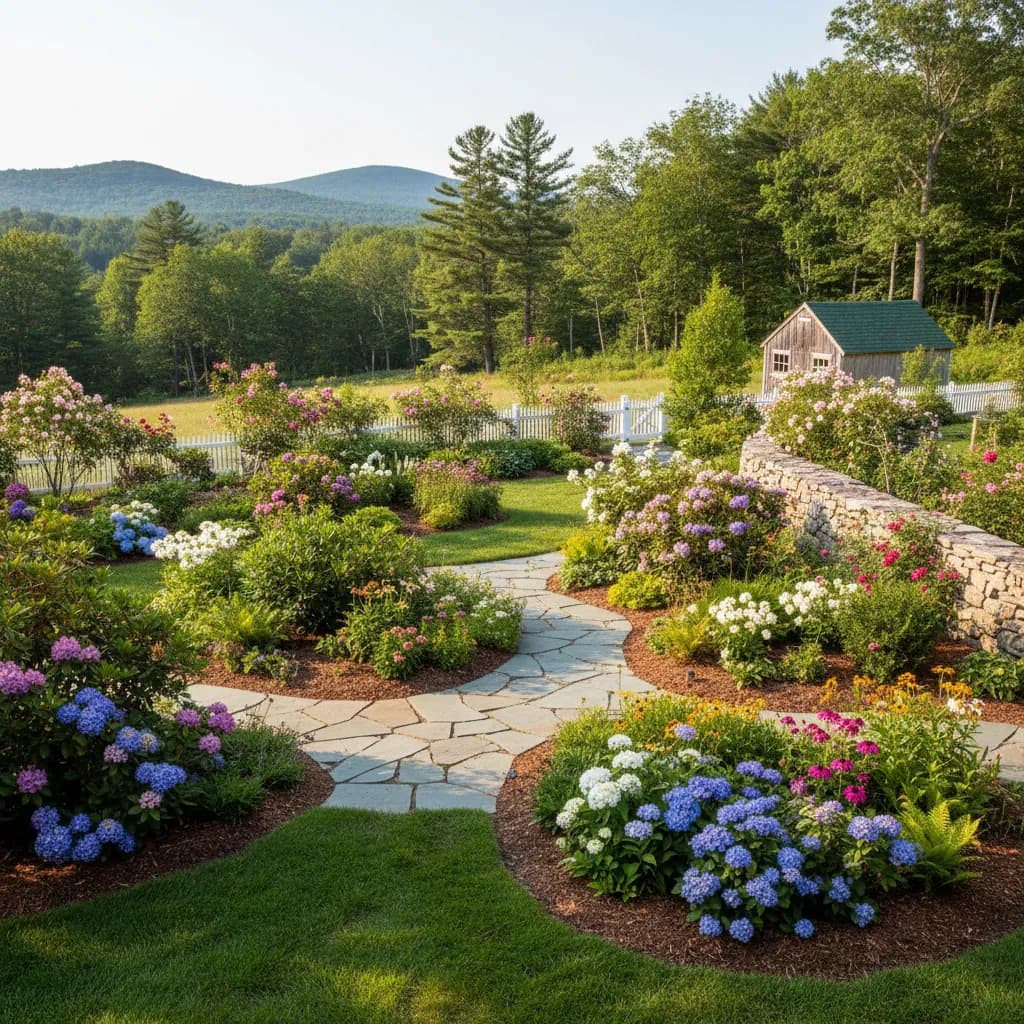
New Hampshire Climate Snapshot
Understanding your local climate is key to creating a thriving, low-maintenance garden
Hardiness Zones
3b, 4a, 4b, 5a, 5b, 6a
Annual Rainfall
35–50 inches annually, well-distributed through the year with significant snowfall October–April
Frost Window
Last frost: May 1–15 (seacoast zone 6a) to May 25–June 1 (White Mountain foothills zone 4); first frost: September 25–October 15
Water Notes
Adequate rainfall without irrigation; spring snowmelt can cause temporary waterlogging in low-lying areas. Rocky, thin soils throughout are the primary challenge — raised beds required for vegetables in many locations.
Popular Landscaping Styles
Discover design styles perfectly suited to New Hampshire's unique climate and landscape
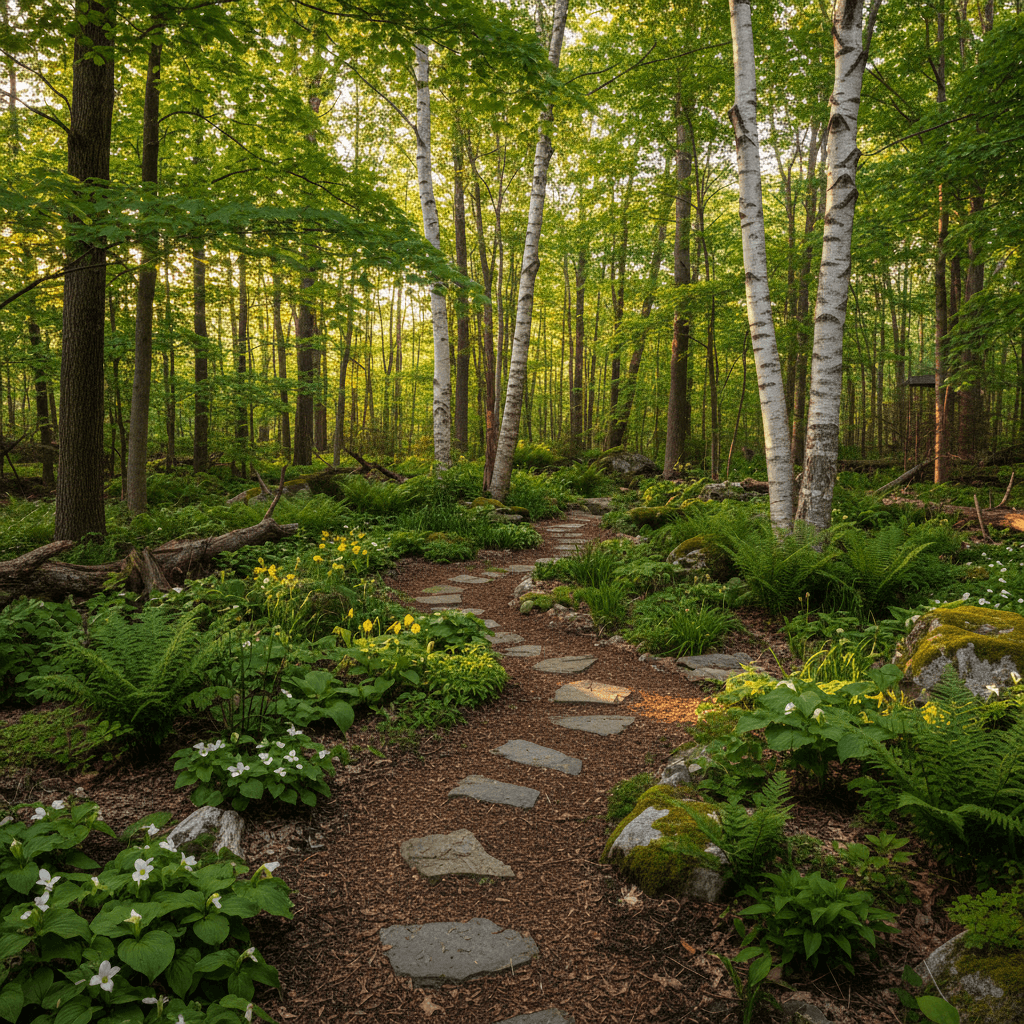
Naturalistic design using native woodland plants of the Northern Hardwood Forest — trillium, trout lily, wild ginger, and native ferns under a canopy of sugar maple, white birch, and beeches
Key Features:
- •White paper birch as the iconic New Hampshire structural tree
- •Spring ephemeral wildflowers: trillium, trout lily, bloodroot
- •Native ostrich ferns and sensitive ferns as summer groundcover
- •Natural stone walls and boulders incorporating existing ledge
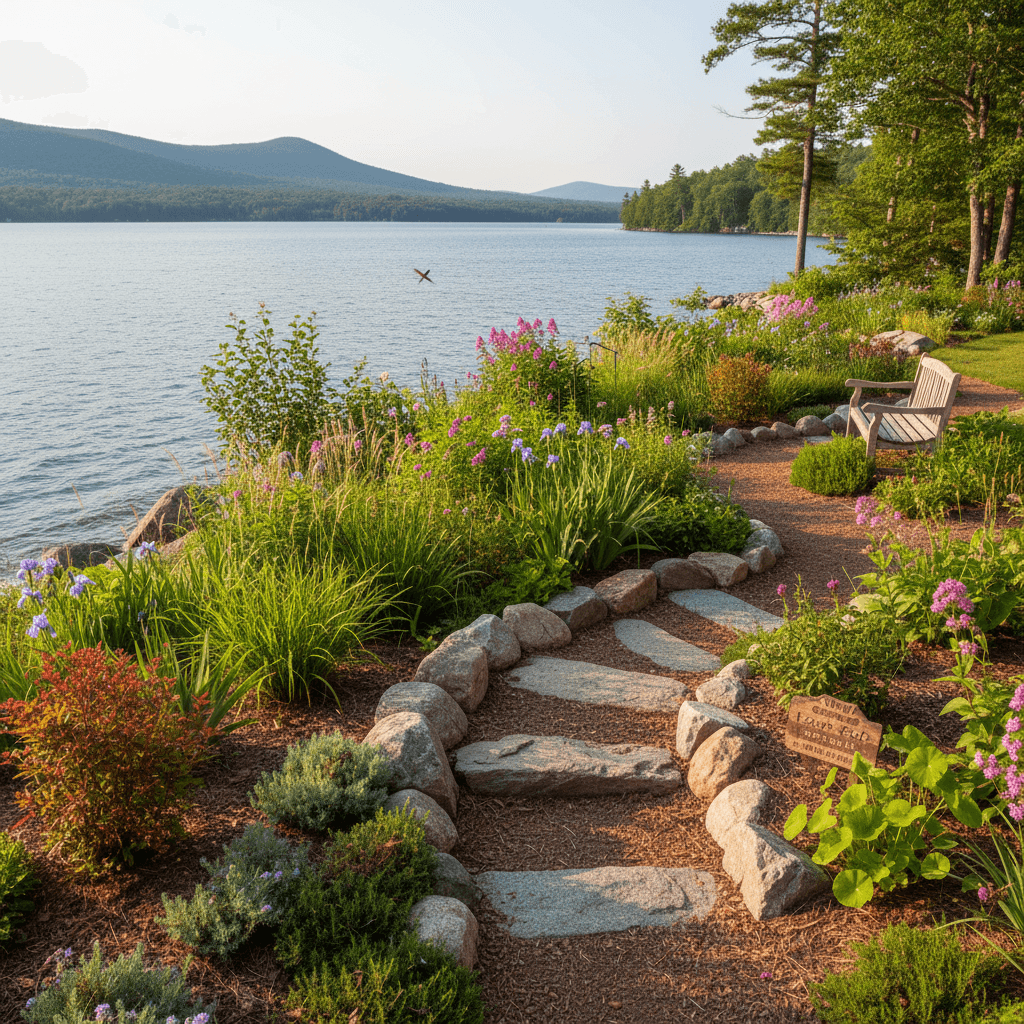
Low-maintenance naturalistic design for the Lakes Region and riverfront properties — using moisture-tolerant natives to stabilize shorelines and create wildlife habitat
Key Features:
- •Native buttonbush (Cephalanthus occidentalis) for wet-edge stabilization
- •Cardinal flower and blue flag iris for summer color at water's edge
- •Native sweet pepperbush (Clethra alnifolia) for fragrant July bloom
- •Soft rush and native sedges for natural shoreline transition
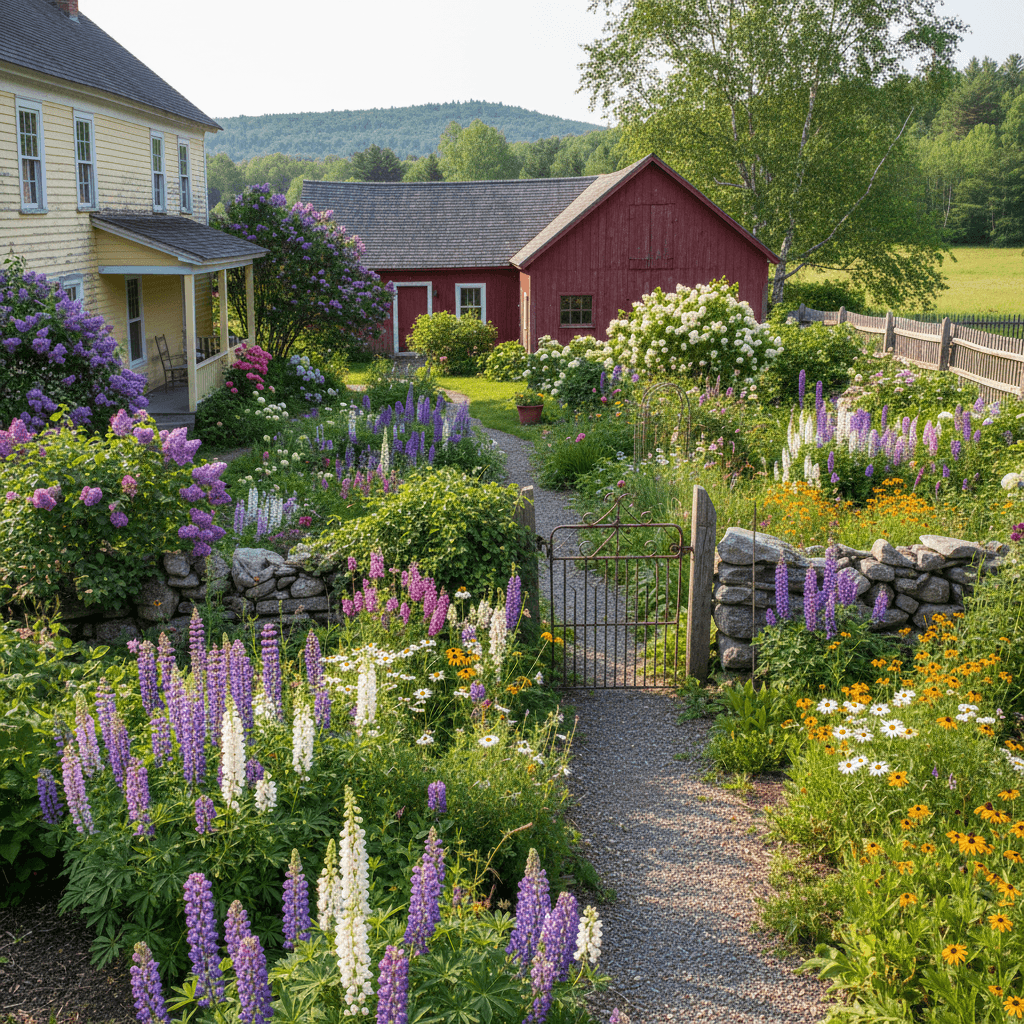
Classic informal New England style combining cold-hardy perennials, lilacs, and heirloom shrubs around historic farmhouses and Capes — the quintessential New Hampshire residential landscape
Key Features:
- •Common lilac (Syringa vulgaris) as the signature New Hampshire spring shrub
- •Peonies, daylilies, and bearded iris as traditional perennial border anchors
- •Climbing roses on stone walls and split-rail fences
- •Kitchen garden with cold-hardy vegetables and herbs near the house
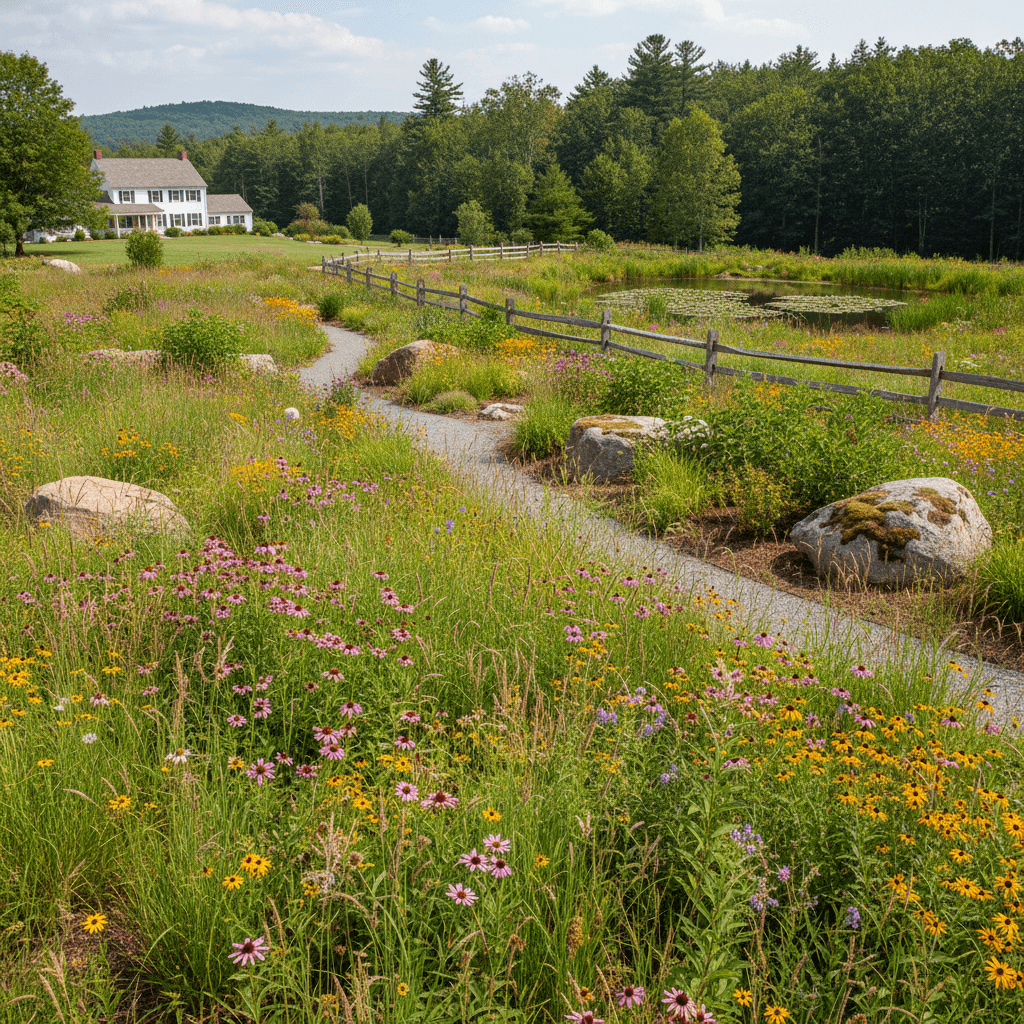
Low-maintenance meadow design using native wildflowers and grasses — appropriate for larger rural properties where lawn mowing is burdensome and wildlife habitat is a priority
Key Features:
- •Native goldenrod and New England aster for fall monarch butterfly habitat
- •Wild bergamot and purple coneflower as summer pollinator plants
- •Native little bluestem grass for fall and winter structure
- •Mowed 8-ft buffer along roadsides and property lines to signal intent
Recommended Plant Palettes
Native and adapted plants that thrive in New Hampshire's climate
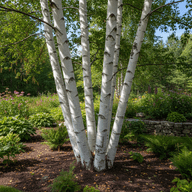
White Paper Birch
Betula papyrifera
State tree; brilliant white bark is iconic in New Hampshire woodlands — plant in groups of 3–5 for best effect; zone 2 hardy but prefers cool, moist sites and struggles in urban heat
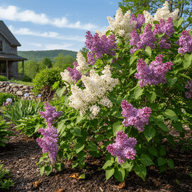
Common Lilac
Syringa vulgaris
State flower; fragrant purple or white flower clusters in mid-May are the defining New Hampshire spring event — zone 3 hardy, long-lived (50–100+ years), and thrives in New Hampshire's cool, sunny spring conditions
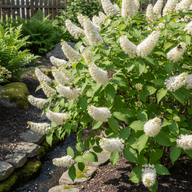
Sweet Pepperbush
Clethra alnifolia
Native shrub with intensely fragrant white flower spikes in July–August; tolerates wet, acidic soils along streams and lake edges — attracts bees and butterflies when almost nothing else is blooming
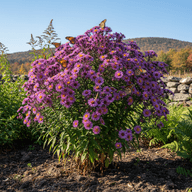
New England Aster
Symphyotrichum novae-angliae
Purple-magenta daisy flowers in September–October provide critical late-season nectar for migrating monarchs; zone 3 native that naturalizes in meadow gardens and tolerates wet New Hampshire clay
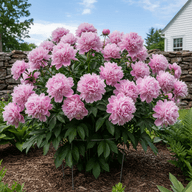
Peony
Paeonia lactiflora
The quintessential New England perennial — fragrant, extravagant flowers in late May to early June; zone 3 hardy and actually requires cold winters to bloom reliably, making New Hampshire ideal peony country
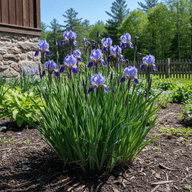
Siberian Iris
Iris sibirica
Elegant violet-blue flowers in late May on graceful grassy clumps; zone 3–4 hardy, deer-resistant, and far more durable than bearded iris in New Hampshire's cold winters and wet springs
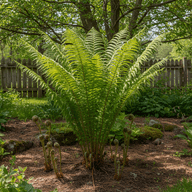
Ostrich Fern
Matteuccia struthiopteris
Native to New Hampshire forests; large, vase-shaped fronds 3–5 ft tall spread by underground runners to fill shaded areas naturally — produces edible fiddleheads in May
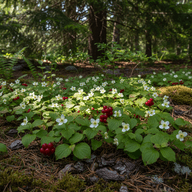
Bunchberry
Cornus canadensis
Native 6-inch groundcover with white dogwood-like flowers in spring and red berries in fall; thrives in the cool, acidic, conifer-shaded soils of northern New Hampshire — zone 2 hardy
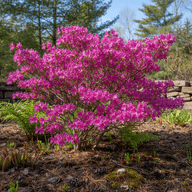
Rhodora
Rhododendron canadense
Native New Hampshire azalea blooming magenta-pink in May before leaves emerge; thrives in cool, acidic, boggy soils where most azaleas fail — zone 2–3 hardy and resistant to Rhododendron diseases
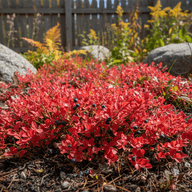
Wild Blueberry
Vaccinium angustifolium
Low-growing native blueberry forming spreading mats; brilliant red fall foliage, edible summer berries, and zero care requirements in New Hampshire's naturally acidic soils
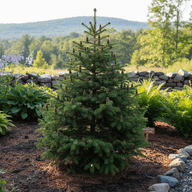
Balsam Fir
Abies balsamea
Iconic New Hampshire conifer fragrant of Christmas; zone 3 hardy and thrives in cool, moist northern sites — excellent as a small specimen tree or informal evergreen screen
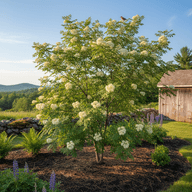
Mountain Ash
Sorbus americana
Native small tree with white flower clusters in June and brilliant orange-red berry clusters in fall that persist through winter feeding birds; thrives in New Hampshire's cool, acidic upland soils
Seasonal Garden Checklist
Your year-round guide to maintaining a beautiful New Hampshire garden
Plant spring bulbs (tulips, daffodils, crocus) before hard freeze
Mulch perennials and tender plants with 4–6 inches after hard frost
Start tomatoes and peppers indoors 8 weeks before last frost
Plant cool-season vegetables: peas, lettuce, broccoli, spinach
Plant trees, shrubs, and native perennials — best establishment season
Transplant warm-season vegetables after last frost date for your zone
Frequently Asked Questions
Get answers to common questions about landscaping in New Hampshire
Explore Garden Styles in New Hampshire
Browse detailed design guides with climate-adapted tips and plant lists for New Hampshire.
Free Planning Tools
Use our free tools to plan and build your New Hampshire garden.
Ready to Design Your New Hampshire Garden?
Upload a photo of your yard and get AI-powered garden designs tailored to New Hampshire's climate with native and adapted plants.
Design Your Garden