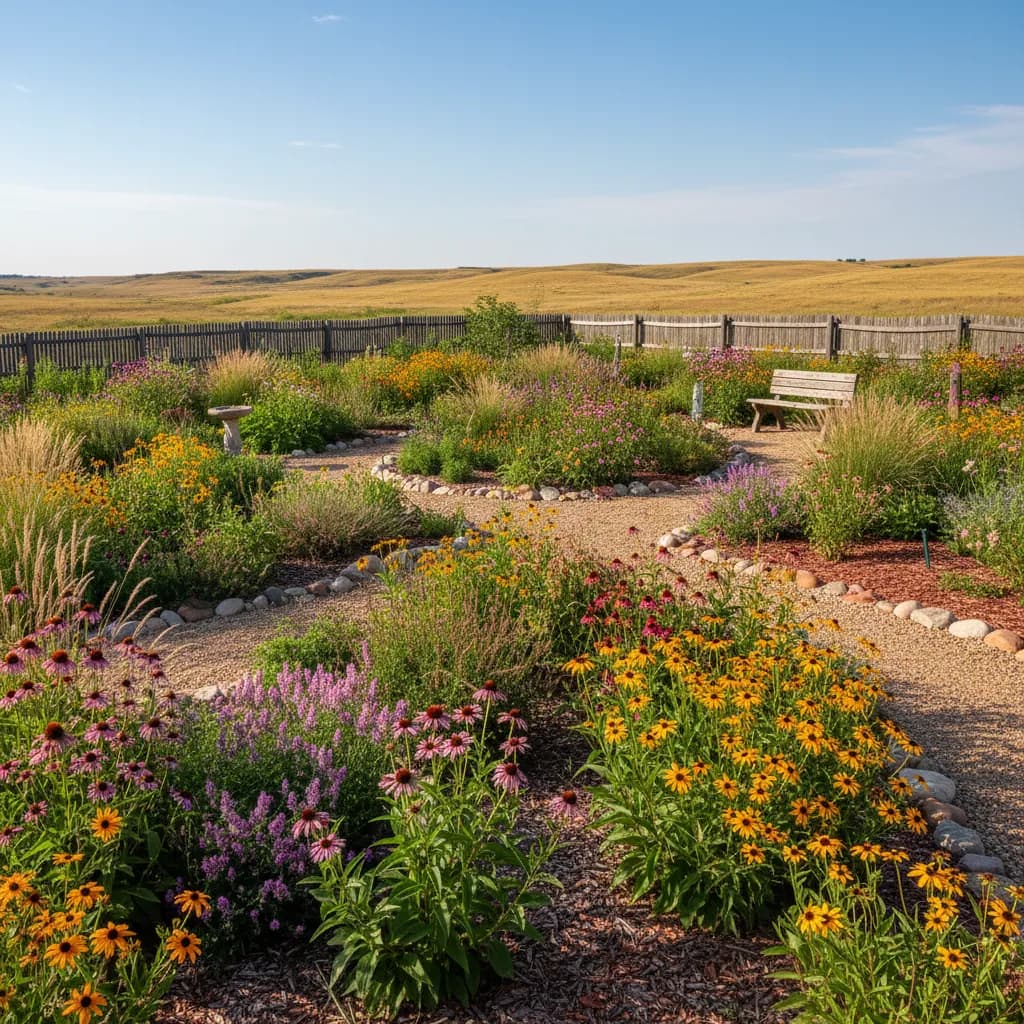
Nebraska Climate Snapshot
Understanding your local climate is key to creating a thriving, low-maintenance garden
Hardiness Zones
4b, 5a, 5b, 6a
Annual Rainfall
15–35 inches annually (Lincoln ~31 inches; Scottsbluff ~14 inches)
Frost Window
Last frost: May 5–10 (north/west) to April 20–25 (southeast); first frost: September 25–October 10
Water Notes
Eastern Nebraska has adequate rainfall for most ornamentals; western Nebraska and Sandhills require drought-tolerant natives or drip irrigation. Wind accelerates water loss significantly — mulch is essential statewide.
Popular Landscaping Styles
Discover design styles perfectly suited to Nebraska's unique climate and landscape
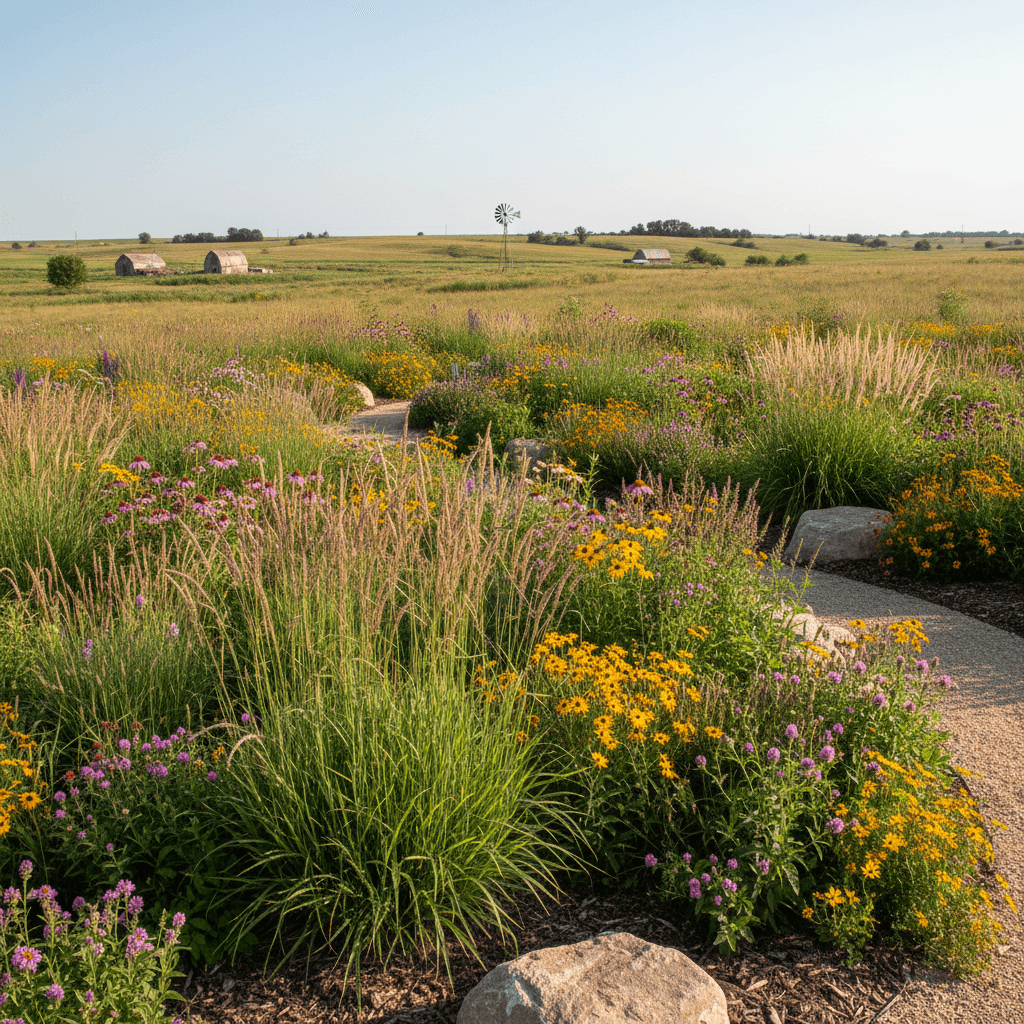
Restoration of Nebraska's original tallgrass or mixed-grass prairie using locally-sourced native grasses and wildflowers — the most ecologically valuable and wind-resistant landscape possible
Key Features:
- •Big bluestem and switchgrass as the tall grass structural layer
- •Prairie blazing star, coneflower, and goldenrod for color sequencing
- •Naturalistic drifts rather than row planting — mimics wild prairie structure
- •Annual mowing in early spring to control woody encroachment
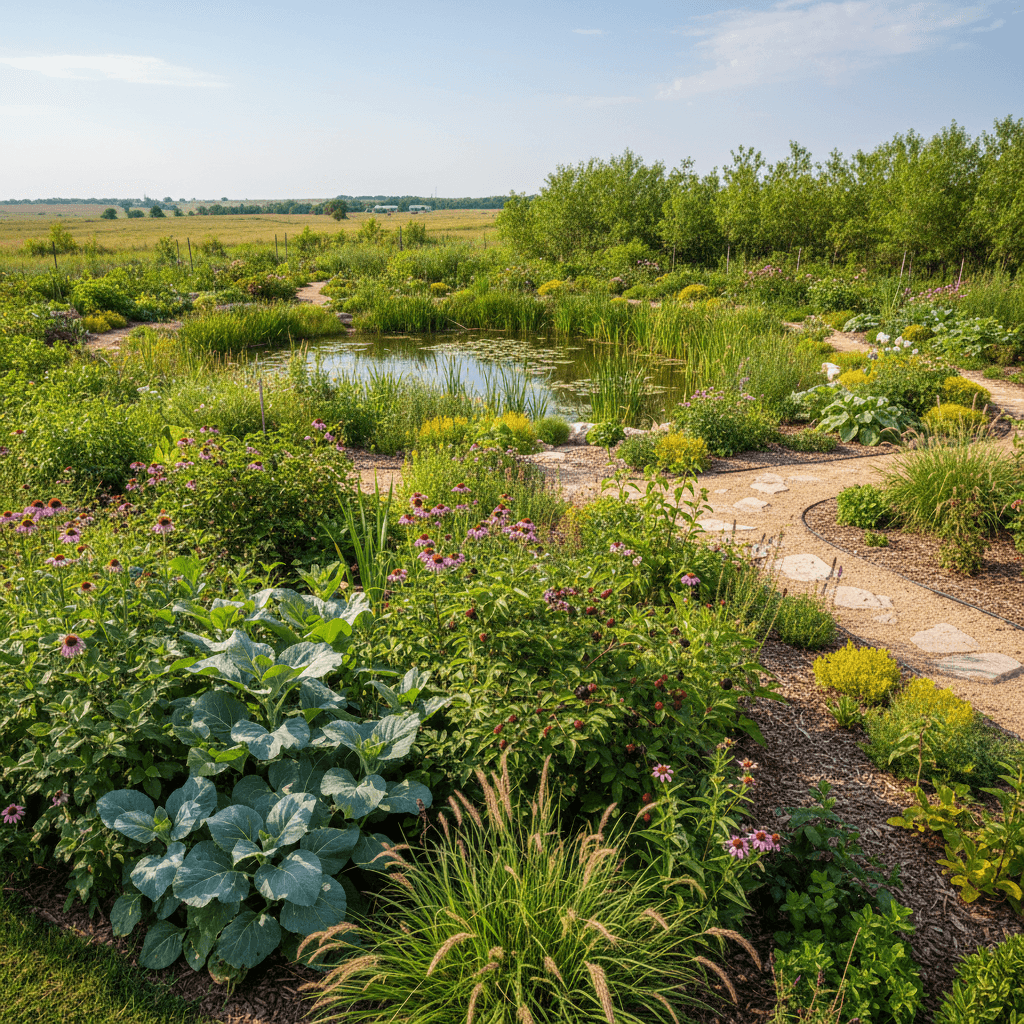
Lush, productive design inspired by the native plant communities along Nebraska's Platte, Loup, and Niobrara river corridors — using moisture-loving natives and productive food plants
Key Features:
- •Native river birch (Betula nigra) and cottonwood as fast-growing shade trees
- •Wild bergamot, swamp milkweed, and cardinal flower for pollinator habitat
- •Vegetable garden in rich river-bottom loam
- •Native elderberry (Sambucus canadensis) for edible berries and wildlife
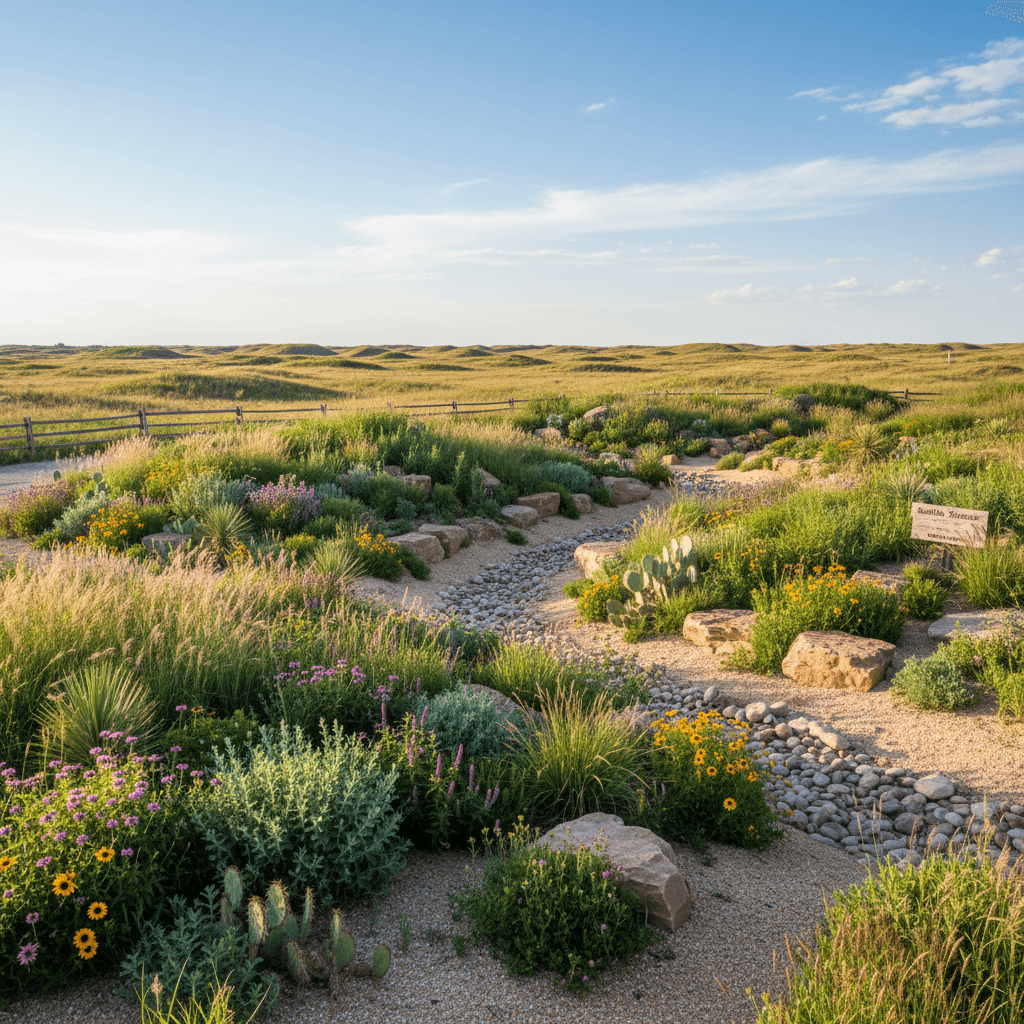
Water-conscious design for western Nebraska and the Sandhills — using native mixed-grass prairie plants and adapted perennials that require no irrigation once established
Key Features:
- •Buffalo grass (Bouteloua dactyloides) as no-mow, drought-proof turf alternative
- •Prairie dropseed and blue grama grass for ornamental texture
- •Native yucca (Yucca glauca) as bold structural accent
- •Decomposed granite paths and rock mulch to reduce evaporation
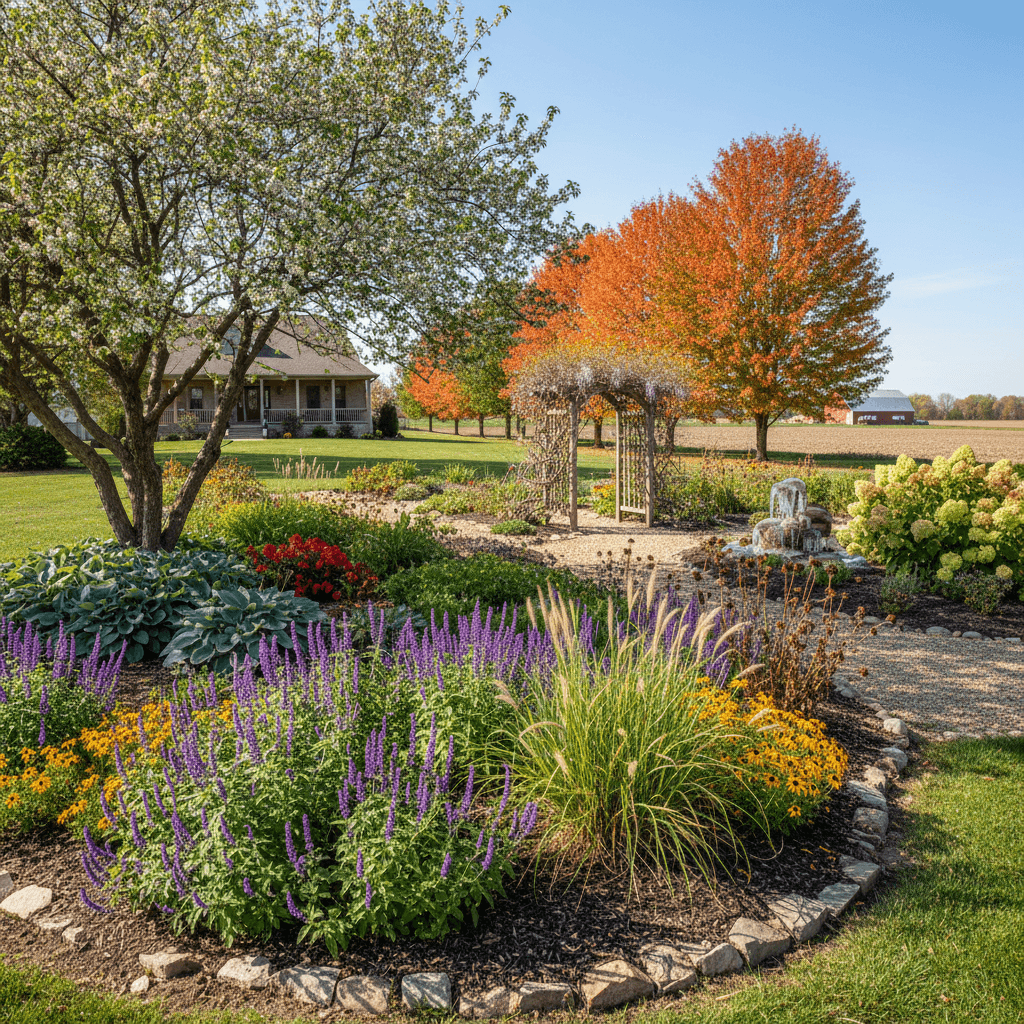
Hardy, year-round interest garden for Omaha, Lincoln, and eastern Nebraska — selecting plants that deliver spring blooms, summer color, fall foliage, and winter structure through zone 5 cold
Key Features:
- •Peonies and lilacs as traditional Nebraska farmstead spring bloomers
- •Native grasses with persistent seed heads for winter bird feeding
- •Ornamental crabapples for fall fruit and winter wildlife
- •Evergreen windbreak screening on north and west exposures
Recommended Plant Palettes
Native and adapted plants that thrive in Nebraska's climate
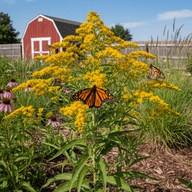
Stiff Goldenrod
Solidago rigida
State flower; flat-topped clusters of golden yellow flowers in August–October provide critical late-season nectar for monarchs migrating through Nebraska — non-spreading and well-behaved in garden settings
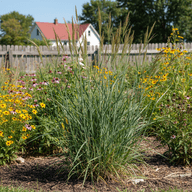
Big Bluestem
Andropogon gerardii
Iconic tallgrass prairie grass reaching 5–7 ft with blue-green summer foliage turning deep copper-red in fall; forms the visual backbone of authentic Nebraska prairie gardens and is completely wind-proof
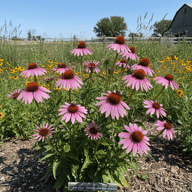
Purple Coneflower
Echinacea purpurea
Pink-purple daisy flowers June–September attract bees; seed heads persist through winter providing goldfinch food — native to eastern Nebraska tallgrass prairies and tolerates the full range of Nebraska soils
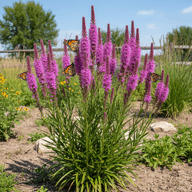
Prairie Blazing Star
Liatris pycnostachya
Magenta-purple flower spikes July–August are a monarch magnet during fall migration through Nebraska; grows from a deep corm that withstands both drought and severe cold to zone 4
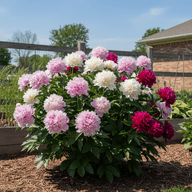
Peony
Paeonia lactiflora
A Nebraska garden staple — large, fragrant flowers in May last 1–2 weeks and the plants live for 50+ years; zone 3 hardy and thrives in Nebraska's cold winters (actually requires cold to bloom well)
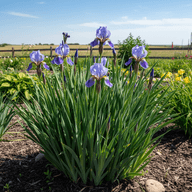
Siberian Iris
Iris sibirica
Elegant violet-blue flowers in late May on 2–3 ft grassy clumps; zone 3–4 hardy, deer resistant, and far more durable than bearded iris in Nebraska's extreme temperature swings
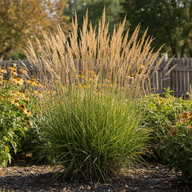
Karl Foerster Grass
Calamagrostis acutiflora
Upright feathery plumes from July through winter provide year-round structure; zone 4 hardy, wind-resistant, and one of the best-performing ornamental grasses for Nebraska urban gardens
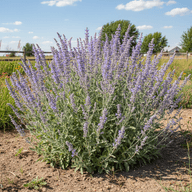
Russian Sage
Perovskia atriplicifolia
Silver stems with hazy lavender-blue flowers July–September; thrives in Nebraska's alkaline soils and dry spells — one of the most heat, cold, and wind tolerant perennials available for zone 5
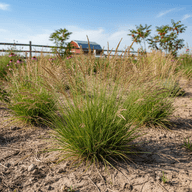
Prairie Dropseed
Sporobolus heterolepis
Fine-textured native grass forming 2-ft arching mounds with fragrant flowers in late summer; thrives in lean, dry prairie soil and turns golden in fall — requires zero irrigation once established
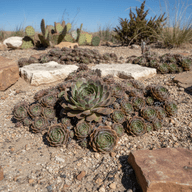
Hens and Chicks
Sempervivum tectorum
Hardy succulent rosettes multiplying indefinitely; zone 4 hardy and survives Nebraska winters without protection — perfect for rock gardens, slopes, and dry western Nebraska conditions
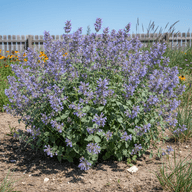
Catmint
Nepeta faassenii
Soft blue-purple flowers from May through August if cut back mid-summer; deer-resistant, drought-tolerant, and thrives in Nebraska's alkaline soils with heat and cold extremes
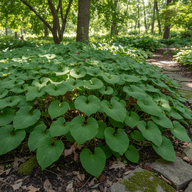
Wild Ginger
Asarum canadense
Native woodland groundcover spreading slowly to form weed-suppressing mats under deciduous trees in eastern Nebraska; zone 3 hardy with attractive heart-shaped leaves
Seasonal Garden Checklist
Your year-round guide to maintaining a beautiful Nebraska garden
Plant spring bulbs (tulips, daffodils); divide and transplant perennials
Mulch tender perennials and new plantings before hard freeze
Start tomato and pepper seeds indoors 8 weeks before last frost
Plant cool-season vegetables: broccoli, cabbage, peas, lettuce
Plant trees, shrubs, and warm-season crops after last frost
Water deeply; mulch to 3 inches to combat summer heat and dry spells
Frequently Asked Questions
Get answers to common questions about landscaping in Nebraska
Explore Garden Styles in Nebraska
Browse detailed design guides with climate-adapted tips and plant lists for Nebraska.
Free Planning Tools
Use our free tools to plan and build your Nebraska garden.
Ready to Design Your Nebraska Garden?
Upload a photo of your yard and get AI-powered garden designs tailored to Nebraska's climate with native and adapted plants.
Design Your Garden