February Garden Preview: What’s Coming Next Month
January in the garden is about planning, organizing, and preparation. By the end of the month, your seed orders should be placed, your tools sharpened, your beds assessed, and your goals set. The garden is still dormant, and there’s not much happening outside—but that changes in February.
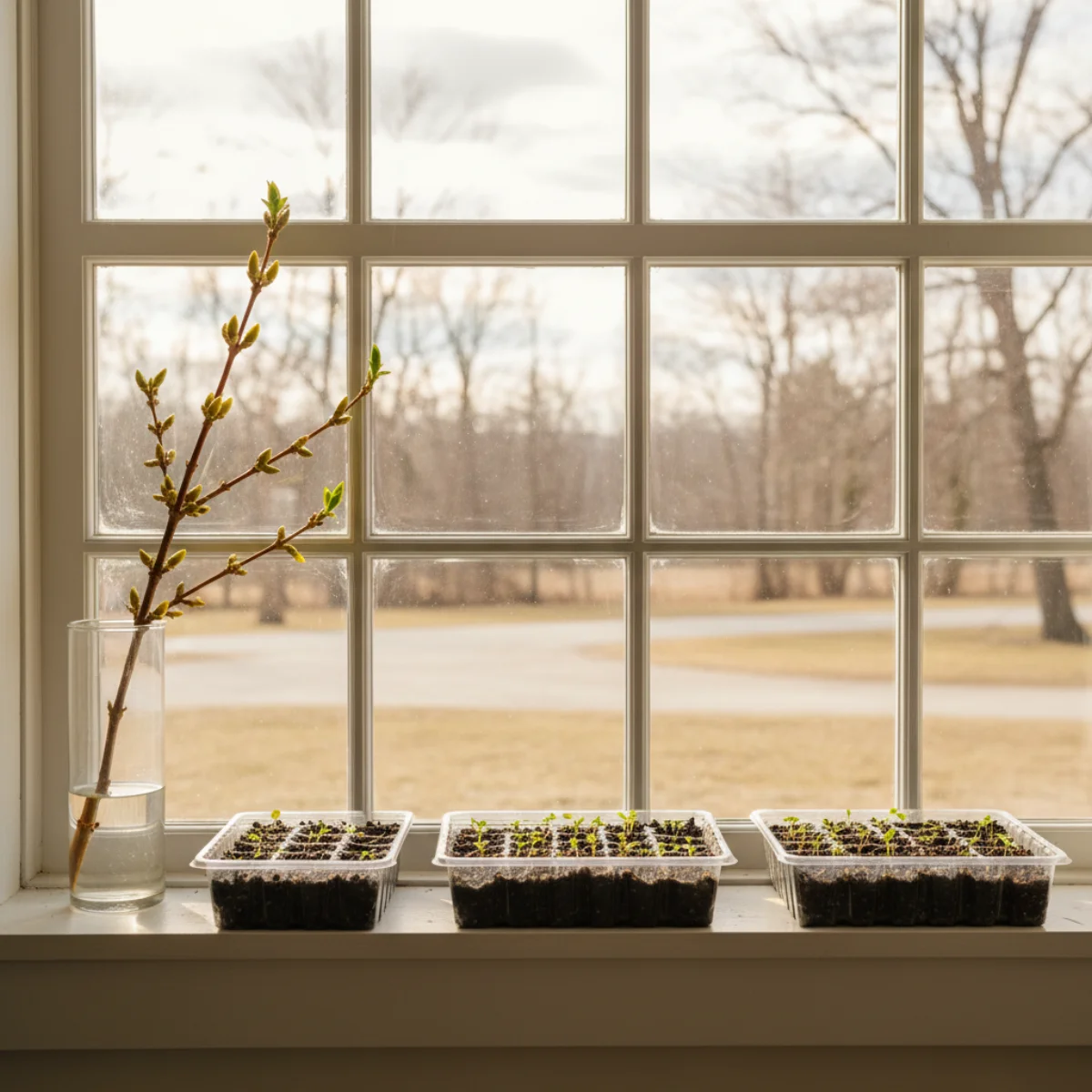
February is when the gardening year actually begins. The first seeds go under lights. Dormant pruning enters its most productive window. Spring bulbs start poking through the ground. And if you force some spring branches indoors, you can have blooms by mid-month.
Here’s what to expect and prepare for.
The First Seeds of the Year
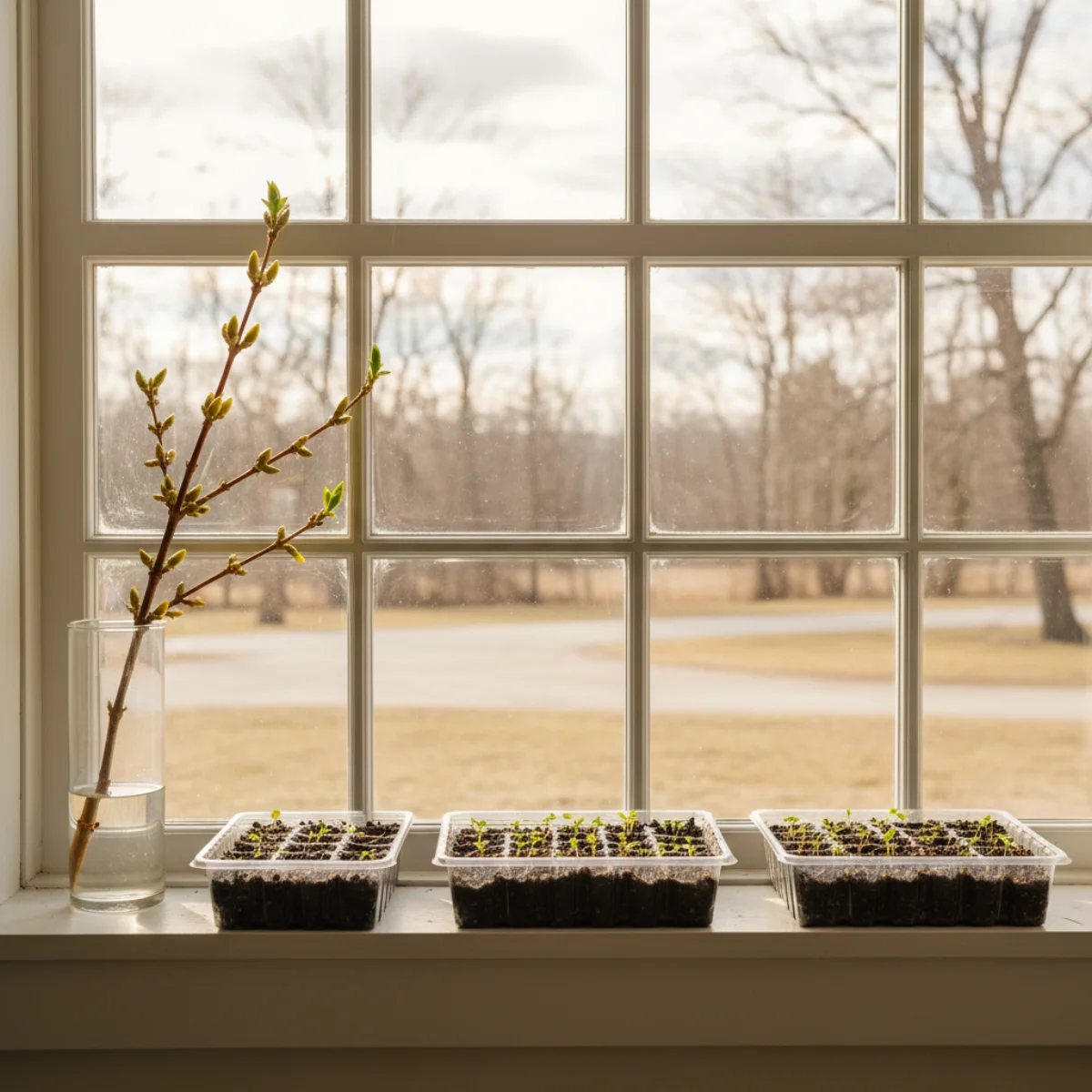
For most gardeners in Zone 5-7, February is when seed starting begins in earnest. If you haven’t already set up your seed-starting station (grow lights, shelving, heat mat, cell trays), do it now so you’re ready when the calendar says go.
What goes in first (depending on your last frost date):
- Onions and leeks: These should already be started if your last frost is in April. If your last frost is in May, early February is the time.
- Celery: Needs 10-12 weeks; sow in early February for most of the northern US.
- Peppers: Need 10-12 weeks and warmth (a heat mat is almost essential). Start in early February for an April-May last frost date.
- Slow herbs: Rosemary, lavender, and thyme are notoriously slow germinators and benefit from a February start.
What waits until later:
- Tomatoes: Unless your last frost is mid-May or later, wait until March.
- Most annual flowers: February is too early in most climates.
- Basil: Needs warmth; start 6-8 weeks before your last frost.
The critical skill for February seed starting is resisting the urge to start everything at once. Seedlings started too early become large, root-bound plants that suffer in their trays while waiting for the weather to cooperate. Timing matters.
Dormant Pruning at Its Best
The winter pruning window is at its peak in February. Fruit trees are still fully dormant (no leaf buds breaking yet in most climates), and the risk of severe cold that might damage fresh cuts is lower than in January.
Key February pruning tasks:
- Apple and pear trees: Now is ideal. Remove crossing branches, water sprouts, crowded interior growth. Aim for an open structure with good airflow.
- Roses: In Zone 6 and warmer, late January through February is the window. Remove dead, diseased, or thin canes. Reduce the framework by roughly a third.
- Summer-flowering shrubs (buddleia, caryopteris, hardy hibiscus): Hard prune now if you haven’t already. These flower on new growth and respond to dormant pruning with vigorous, flowering new shoots.
- Grapevines: Cut side shoots back to 2-3 buds. This is the annual spur pruning that keeps vines productive and in bounds.
A dry, mild February day is the best time for pruning. Don’t rush it onto a freezing day when the metal is cold and your hands are numb.
Forcing Branches Indoors
Any woody plant that produces spring flowers can be cut now and brought indoors to bloom weeks ahead of schedule.
Best candidates: Forsythia (the classic—bright yellow, fast to bloom), pussy willow (soft catkins, architectural), flowering quince (orange or red flowers on bare stems), cherry (white or pink bloom), serviceberry (white flowers), and witch hazel if still in bud.
How to do it: Cut branches 18-24 inches long with plenty of flower buds. Smash or split the cut ends 2-3 inches to improve water uptake. Place in a vase of room-temperature water in a bright indoor location. Change water every few days. Within 1-3 weeks, buds will swell and open indoors.
A vase of yellow forsythia on the kitchen table in February is one of winter’s best antidotes.
The First Signs of Spring Outdoors
In most of the northern US and UK, February brings the first real evidence that winter is ending:
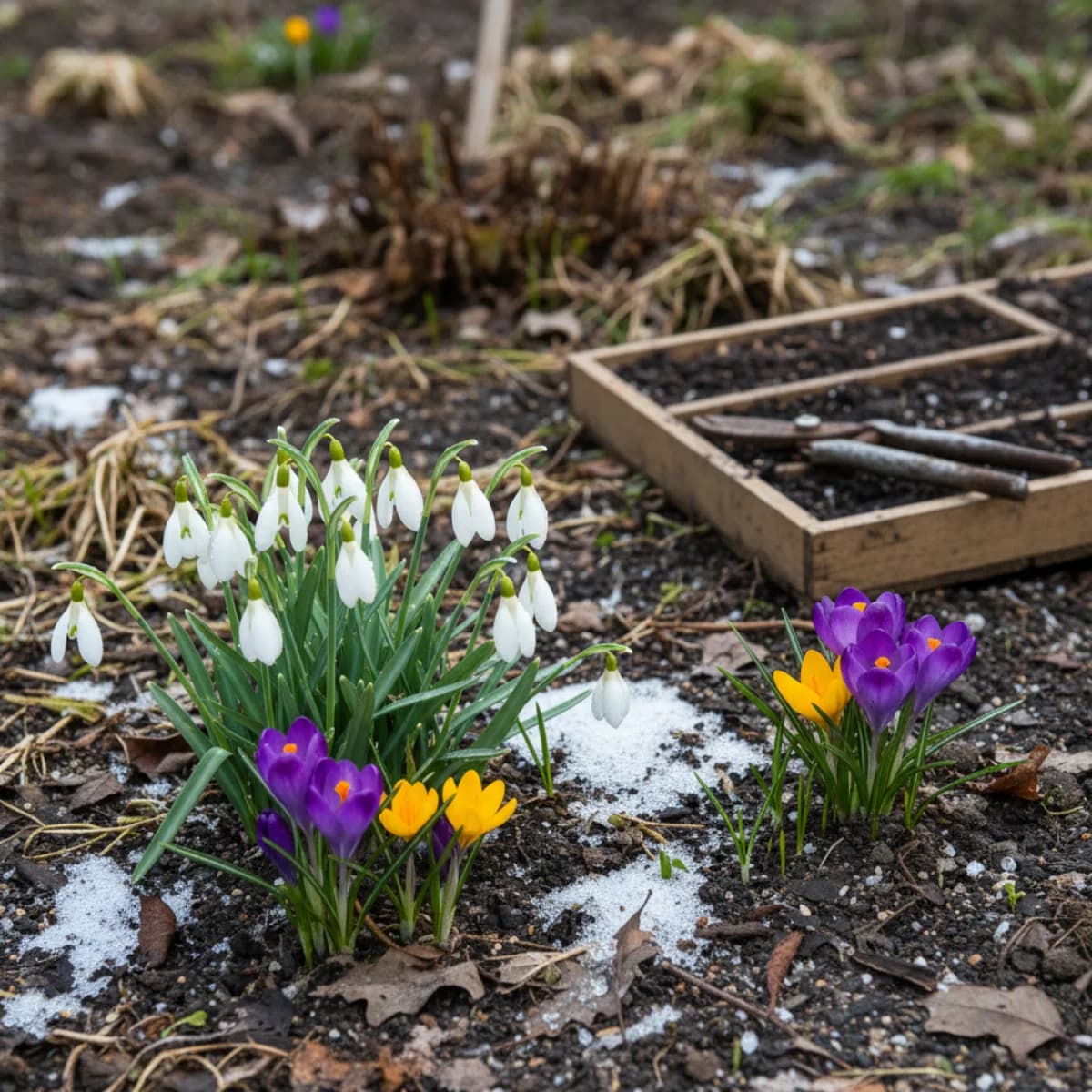
- Snowdrops: The earliest of all spring bulbs, often emerging in late January or February. If you don’t have snowdrops, plant “in the green” divisions in February-March (snowdrops establish better transplanted while still in leaf).
- Crocuses: Not far behind snowdrops. The first purple, white, and yellow crocus flowers are a genuine signal.
- Hellebores: Beginning their long flowering season in February and continuing through April.
- Lengthening days: The light is noticeably different by mid-February than it was in December—longer, and higher in the sky. Indoor seedlings respond to this; so do houseplants.
- Birdsong: The dawn chorus begins to develop in February. Chickadees, cardinals, and other early songbirds start establishing territories. This, more than any date on the calendar, feels like the season turning.
What to Order and Arrange
If anything on your January to-do list isn’t complete, the first week of February is the last realistic window:
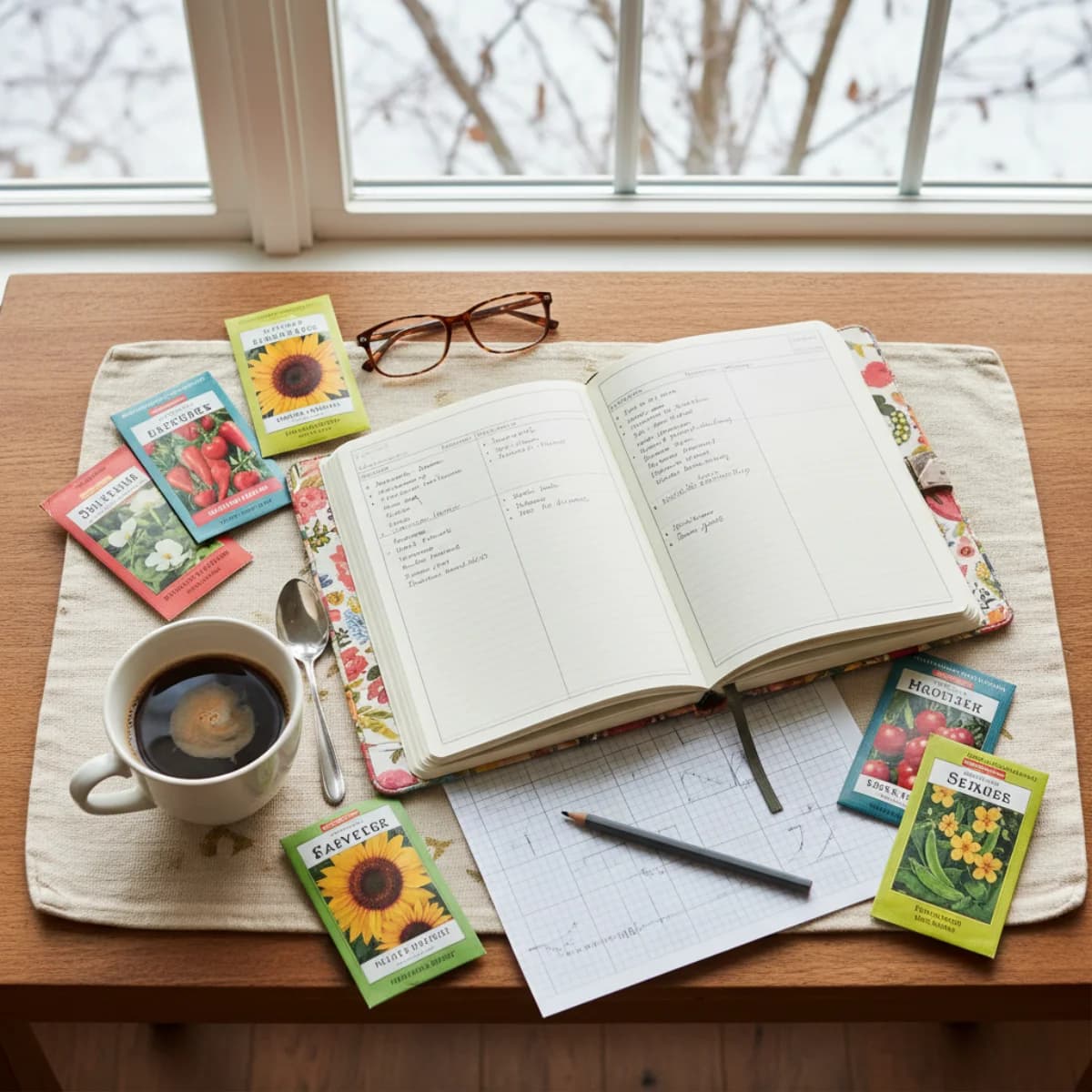
- Finish seed orders: The most popular varieties sell out in January; February is cutting it close for some.
- Order bare-root plants: Bare-root trees, shrubs, and roses are typically available from late January through March. The best selection goes early.
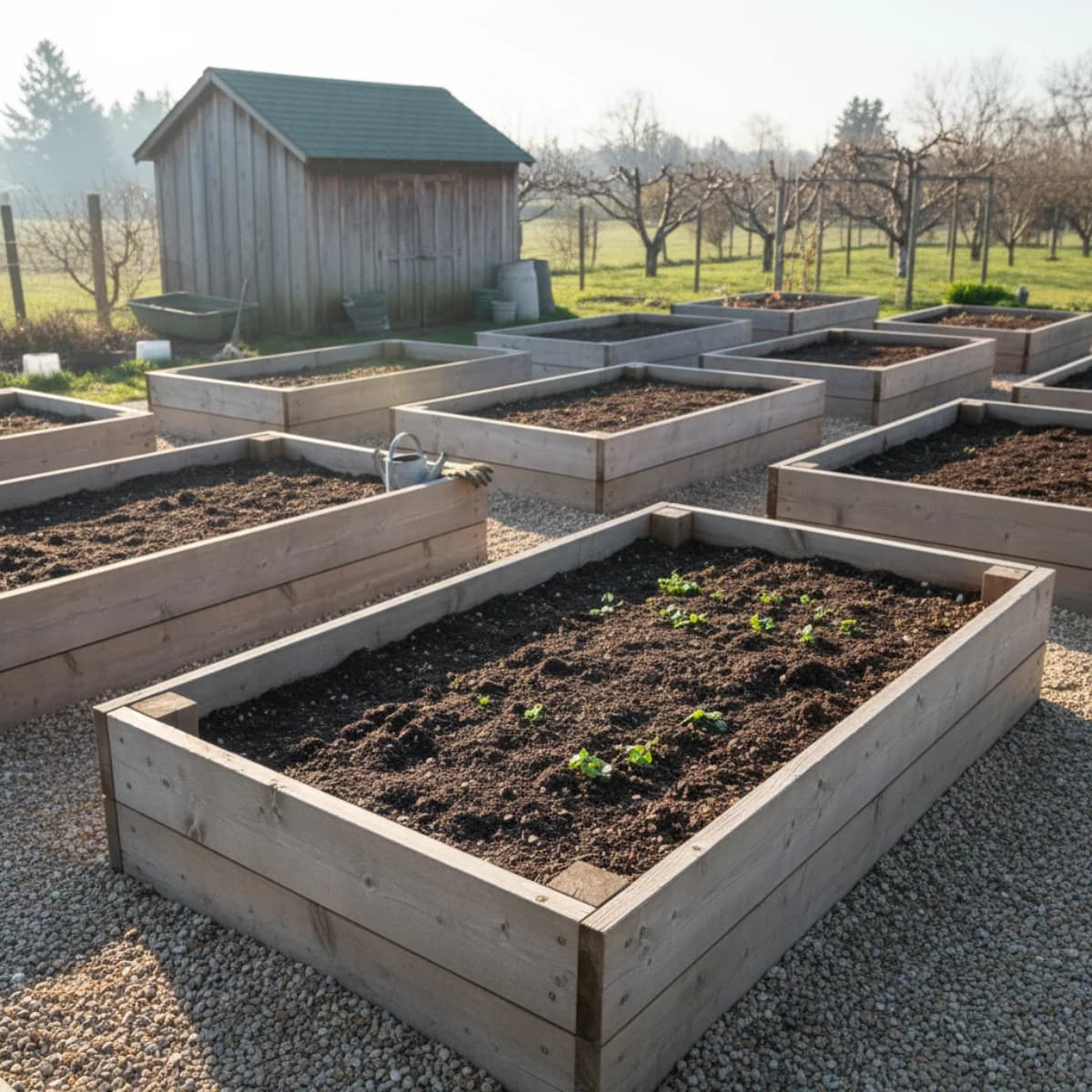
- Arrange any construction: If you’re building raised beds, installing a pergola, or doing any structural garden work before the season starts, contractors and materials need to be arranged now.
- Set up your seed-starting station: Everything should be ready and tested before the first seeds go in.
February Mood
February gardening has a particular quality: anticipatory. The season hasn’t started, but it’s about to. The seed packets are there. The soil is beginning to soften. The light is coming back.
This is a good time to look back at the month of planning you’ve done in January and appreciate it. The garden you’ve planned—the seeds ordered, the beds mapped, the improvements decided—will unfold over the next nine months. The decisions made in the quiet of January and February shape everything that follows.
Use the planning tools and design work you’ve done—including any designs visualized through Gardenly —as a guide through the season. Planning is most valuable when you actually refer back to it.
The garden is about to begin in earnest. February is when it starts.
Sources & Further Reading
- February Garden Calendar — OSU Extension Service
- How and When to Start Your Seeds — University of Minnesota Extension
- When Should I Prune My Roses? — OSU Extension Service
- Forcing Branches for Inside Blooms — National Gardening Association