Late February: The Pre-Spring Rush
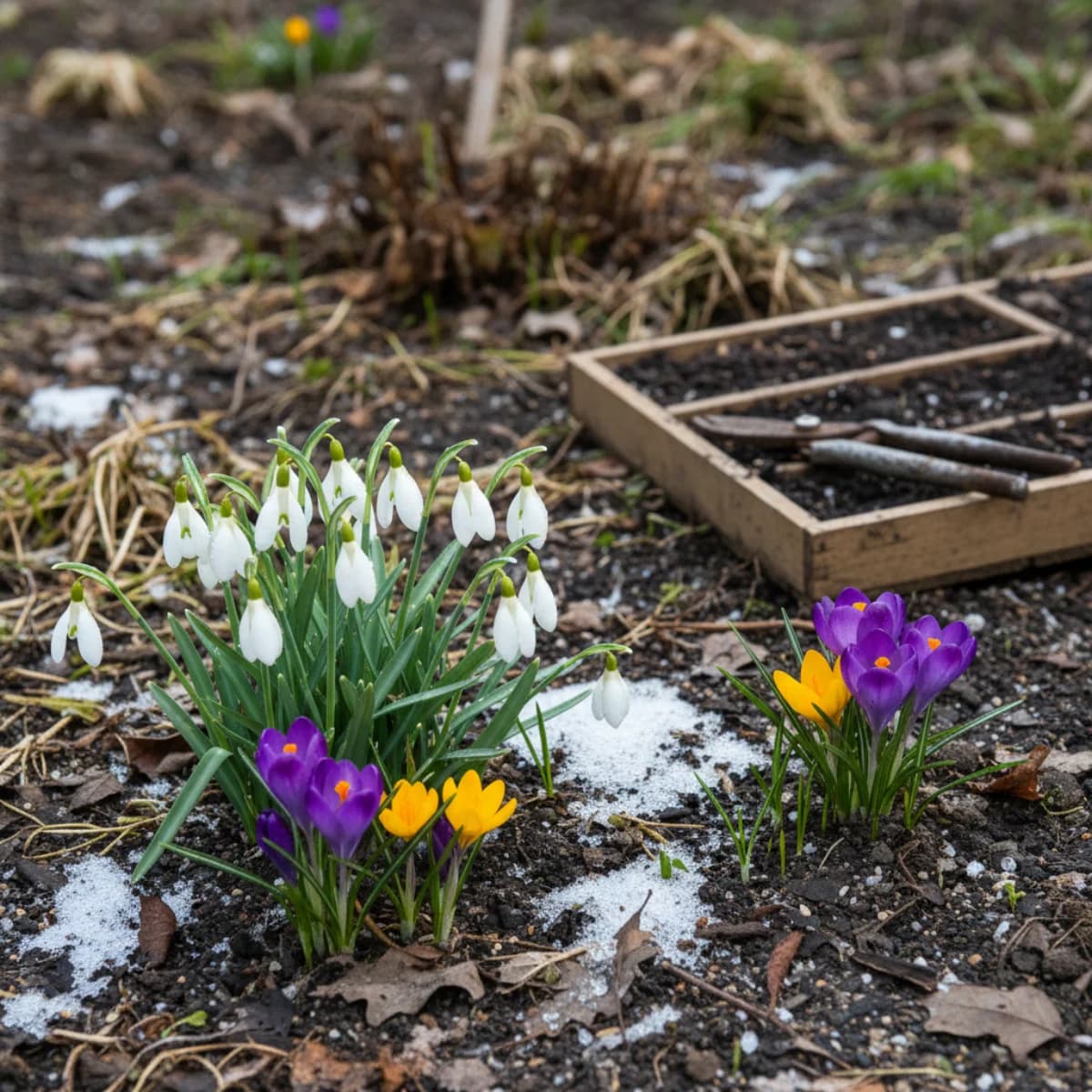
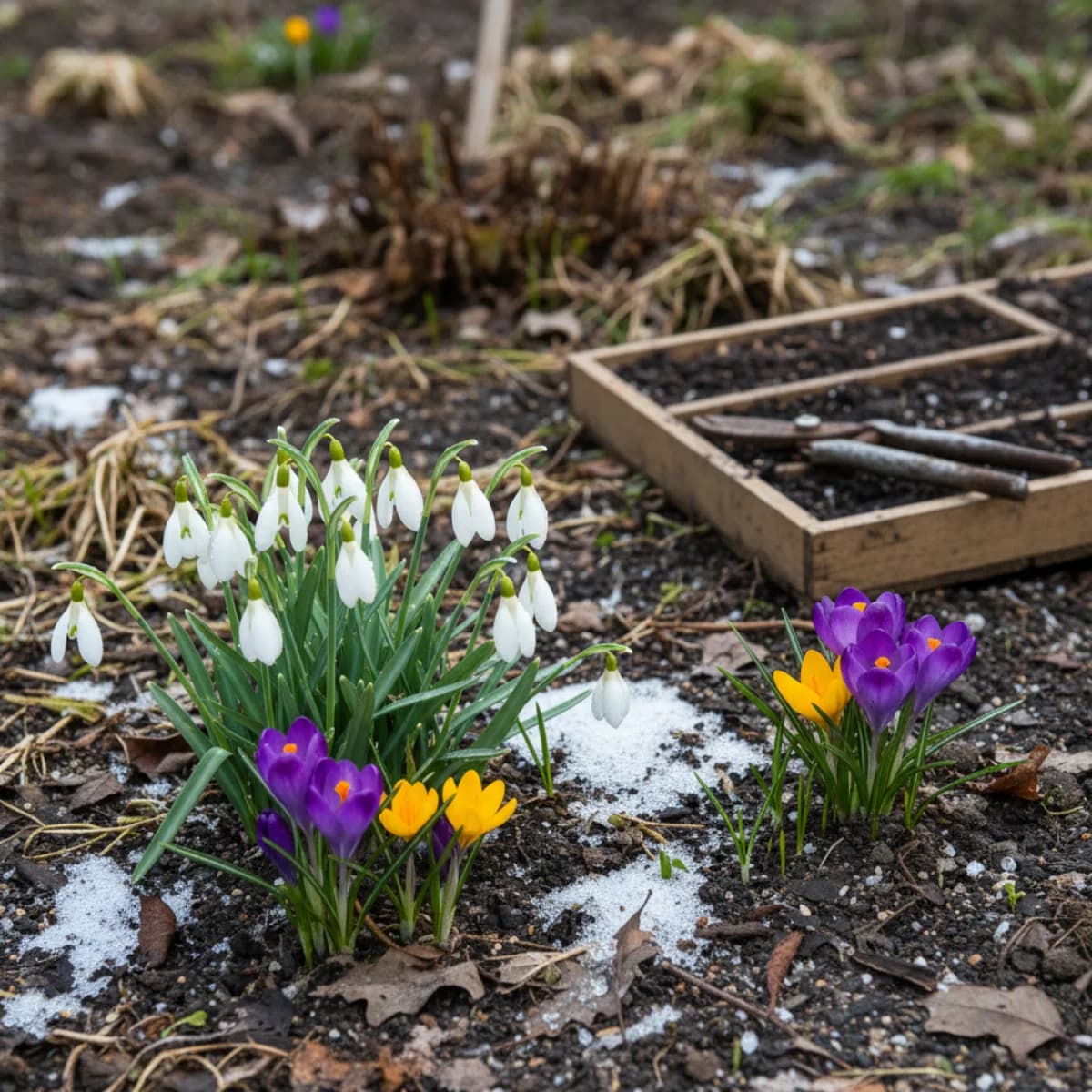
If early February was about anticipation, late February is about acceleration. The subtle shift in light we noticed two weeks ago has turned into a tangible lengthening of days. In many zones, the soil is thawing, birds are claiming territories with renewed vocal vigor, and the earliest bulbs—snowdrops, winter aconite, and the first courageous crocuses—are proving that life persists.
We are entering the “pre-spring” window: that frantic, exciting period where the list of indoor tasks meets the first opportunities for outdoor work. It’s no longer just about planning; it’s about doing.
The Indoor Seed Station: Phase Two
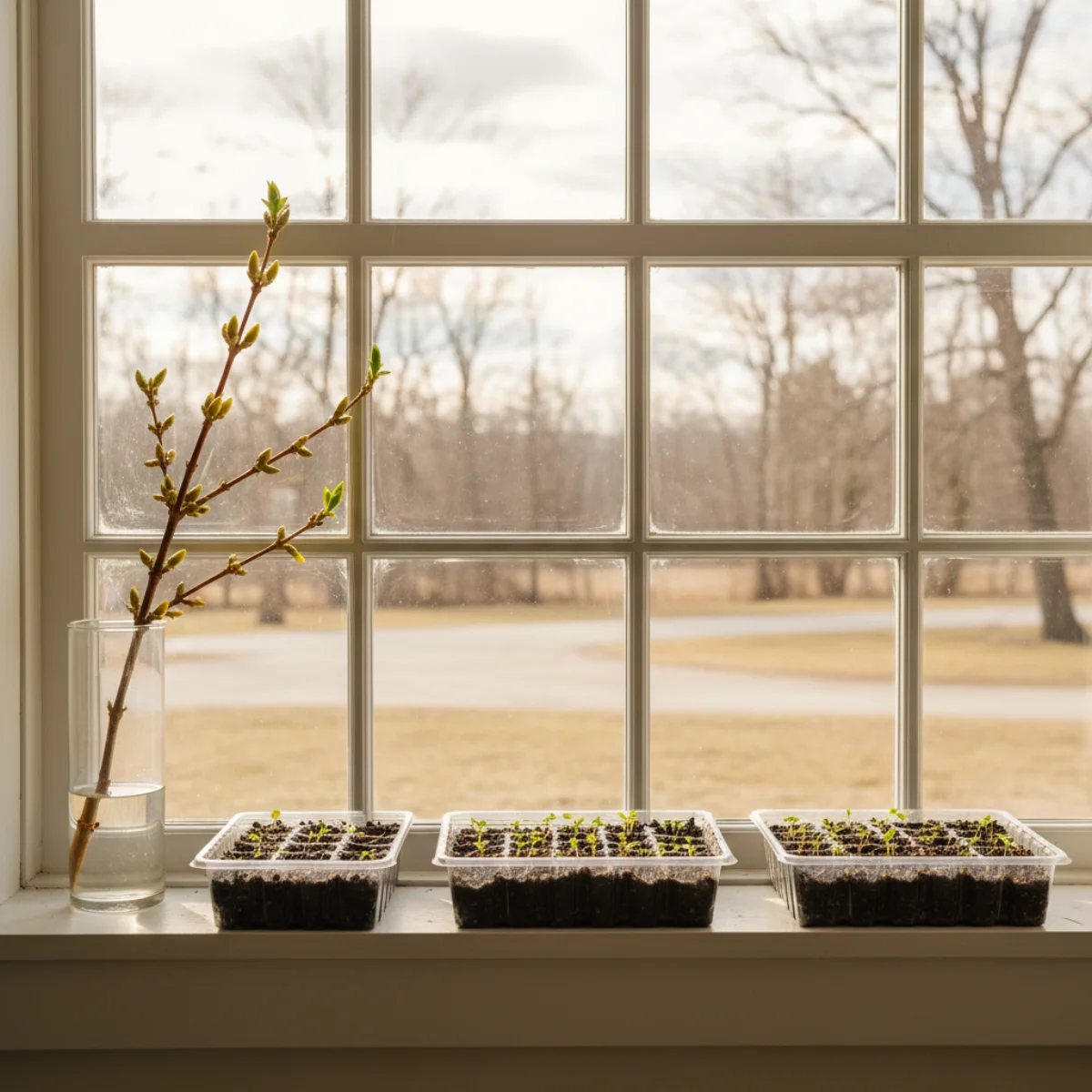
By now, your onions, leeks, and perhaps your celery should be showing green loops above the soil. If you haven’t started them yet, do it today. But late February brings a new wave of seeds to the starting bench.
The Solanaceae Family
For gardeners in zones 5, 6, and 7, this is the prime window to start peppers and eggplants. These heat-lovers need a long runway to reach maturity. Unlike tomatoes, which grow quickly and can get leggy if started too early, peppers are slow, deliberate growers.
- Tip: Peppers demand warmth to germinate. A heat mat set to 80°F (27°C) can shave a week off germination time and significantly improve your success rate.
Cool-Season Flowers
It’s time to sow slow-growing, cold-hardy annuals. Snapdragons, pansies, and violas started now will be ready to plant out weeks before your last frost date, providing color while the rest of the garden is still waking up.
The “On Deck” Circle
Tomatoes are tempting, but for most of us, it’s still just a bit too early. Unless you have a heated greenhouse or are in a warm zone, hold off until March. A stocky, 6-week-old transplant put in the ground in May will almost always outperform a leggy, root-bound 10-week-old one. Use this time to organize your tomato seeds and perhaps test germination on older packets.
Outdoor Tasks: The Window is Opening
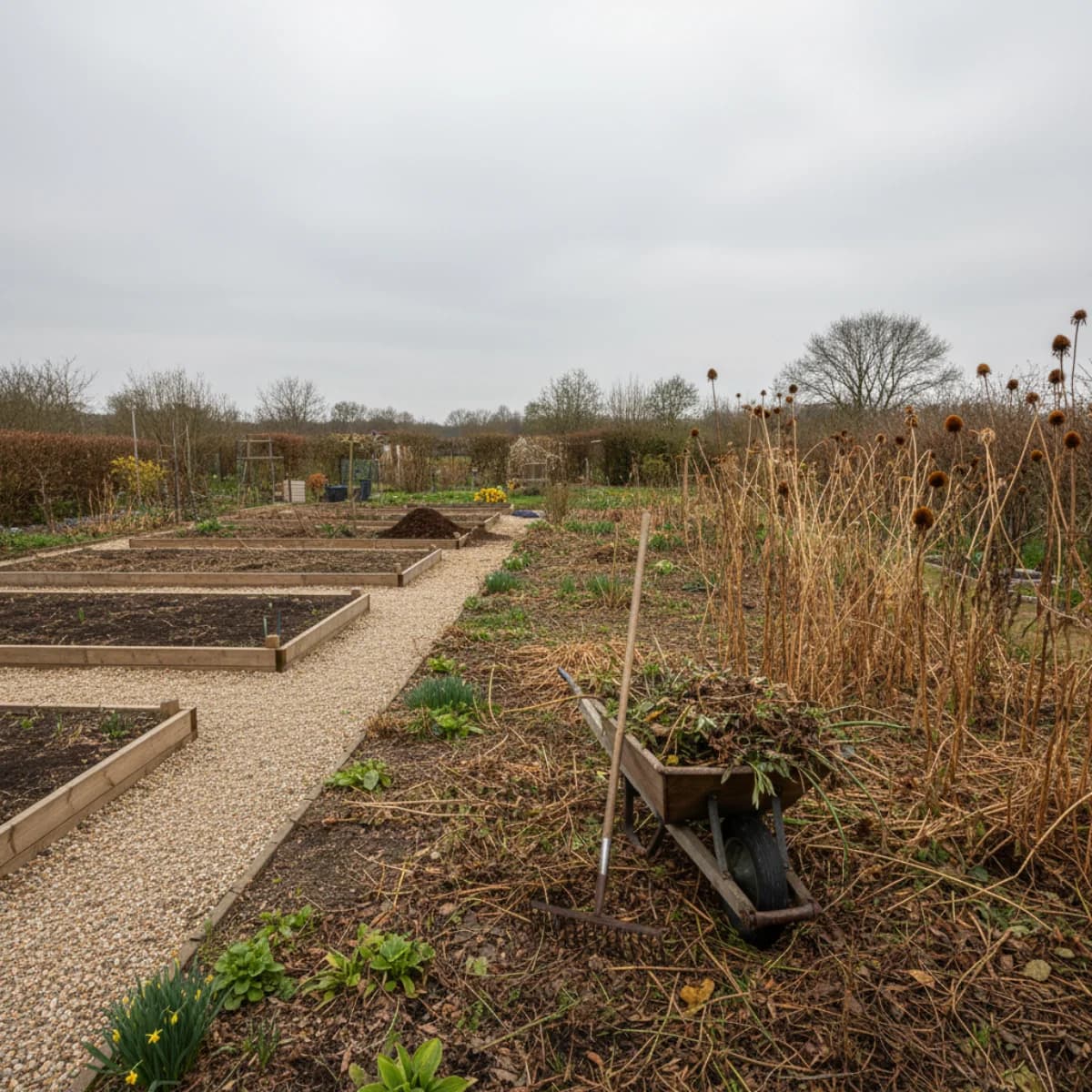
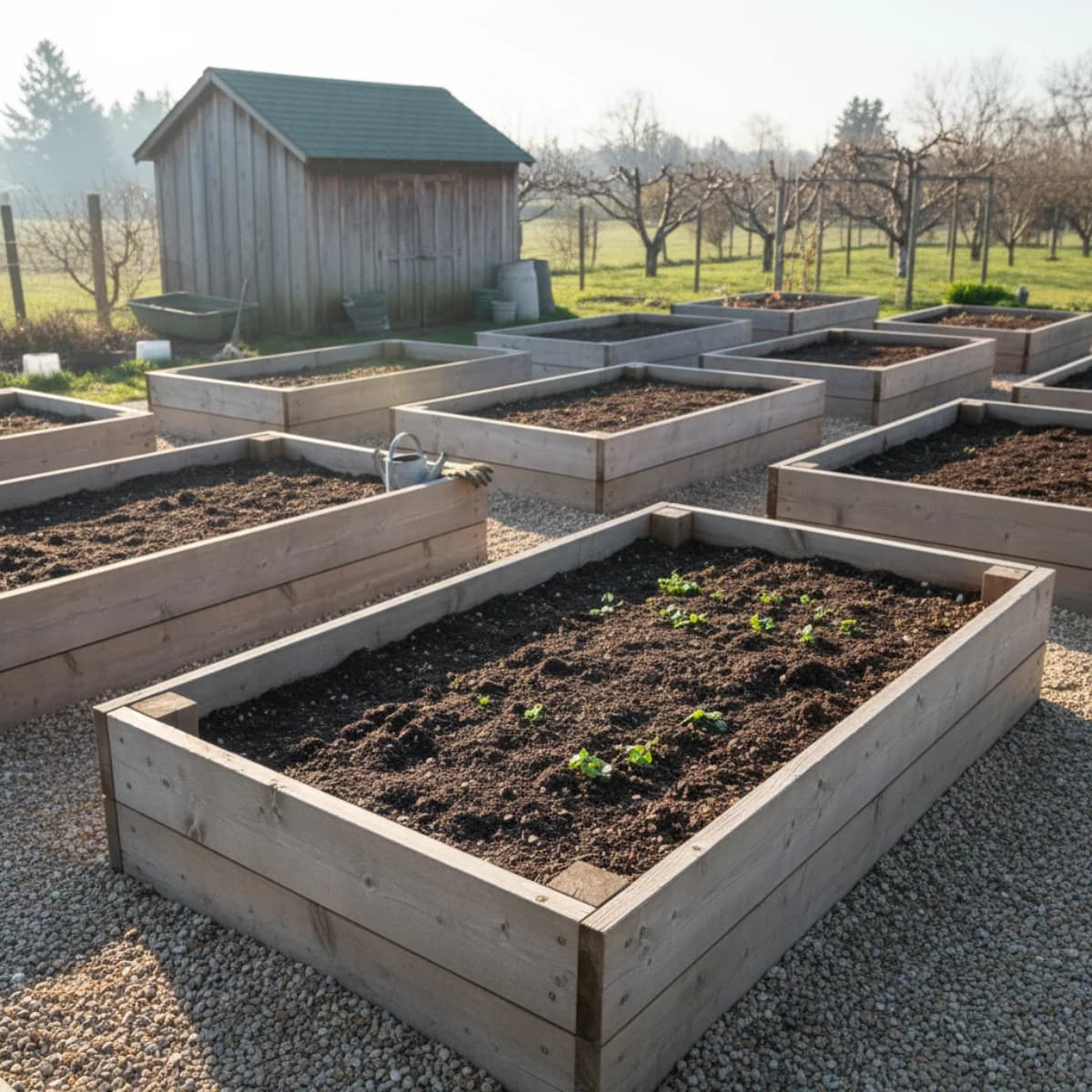
Depending on your region, the ground might still be frozen solid, or it might be turning to mud. If it’s the latter, tread carefully—working wet soil destroys its structure. But if you have raised beds or a dry spell, there are things to do.
The Final Pruning Call
The window for dormant pruning is closing fast. As temperatures rise, trees and shrubs begin to break dormancy. Once the buds swell significantly or show color, the time for heavy pruning has passed.
- Fruit Trees: Finish apples and pears now.
- Late-Flowering Clematis: Prune Group 3 clematis (those that flower on new growth) back hard, to about 12-18 inches from the ground. It feels drastic, but it stimulates vigorous flowering vines.
- Ornamental Grasses: If you left grasses standing for winter interest (and you should have!), cut them back now before new green shoots start mingling with the dead tan stems.
Sweet Peas
In milder zones, St. Patrick’s Day is the traditional sowing date, but late February is when you should be prepping the trench. Sweet peas crave deep, rich soil. Dig a trench now, fill the bottom with compost or well-rotted manure, and let it settle. If you start seeds indoors now in deep root trainers, you’ll have robust plants ready to go out as soon as the soil is workable.
The Design Reality Check
Back in January, looking at a clean sheet of graph paper or a digital design, everything fit perfectly. Now that you’re seeing the bare bones of the garden, reality might be setting in.
Is that bed actually getting as much sun as you thought? Did the winter storms bring down a branch that changes your shade patterns?
Late winter is the most honest time to assess your garden’s structure. Without foliage to hide behind, the “bones” of your landscape are exposed. If a path feels cramped now, it will be impassable in July. If a view feels blocked, it won’t get better with leaves.
This is where a tool like Gardenly shines. You can take a photo of your current, bare garden and overlay your plans. Seeing the layout against the stark reality of late February helps you catch spacing errors before you put a shovel in the ground.
Preparing for the “Hungry Gap”
We often focus on planting, but don’t forget the soil. Late February is perfect for top-dressing beds. If you have finished compost, spread a one-inch layer over your vegetable beds now. The remaining freeze-thaw cycles and spring rains will help work the nutrients down into the root zone, ready for your first sowings of peas and spinach next month.
A Note on Patience
The hardest tool to master in late February is patience. A warm afternoon can fool you into thinking spring has sprung. It hasn’t. We will almost certainly have more snow, hard frosts, and grey days.
Don’t uncover your protected plants yet. Don’t plant out tender seedlings. Don’t work soggy soil. The energy you feel now is best directed into preparation: cleaning pots, mixing soil, organizing seeds, and sharpening tools.
Spring is coming, and it’s coming fast. But let it arrive on its own schedule. Your job right now is to be ready when it does.
Sources & Further Reading
- Starting Seeds Indoors — University of Minnesota Extension
- Seed Starting Demystified — Penn State Extension
- Growing Peppers — University of Minnesota Extension
- Is Your Garden Ready for Spring? March Gardening Tips — UC Master Gardener Program