Budget-Friendly Garden Makeover: Big Impact, Low Cost
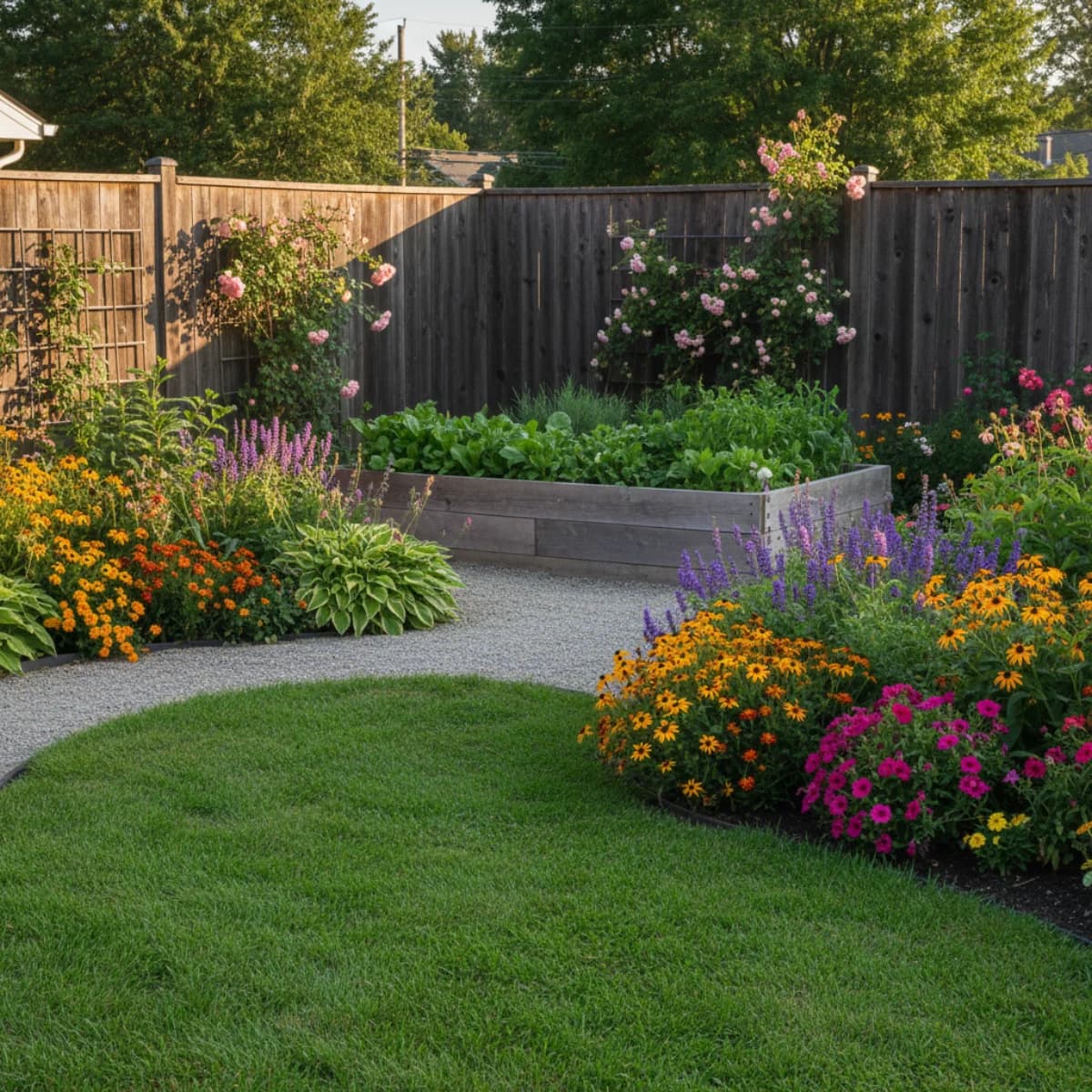
Garden redesigns can cost tens of thousands of dollars if you hire a professional designer and bring in a landscaping team with heavy equipment. But most of the elements that make a garden look significantly better—clear structure, defined edges, appropriate plants, coherent design—can be achieved for a fraction of that cost with good planning and a willingness to do the work yourself.
This guide focuses on the highest-value, lowest-cost interventions: things that make a big visual difference without requiring either a large budget or professional expertise.
The Highest-Impact, Lowest-Cost Interventions
1. Define Your Edges
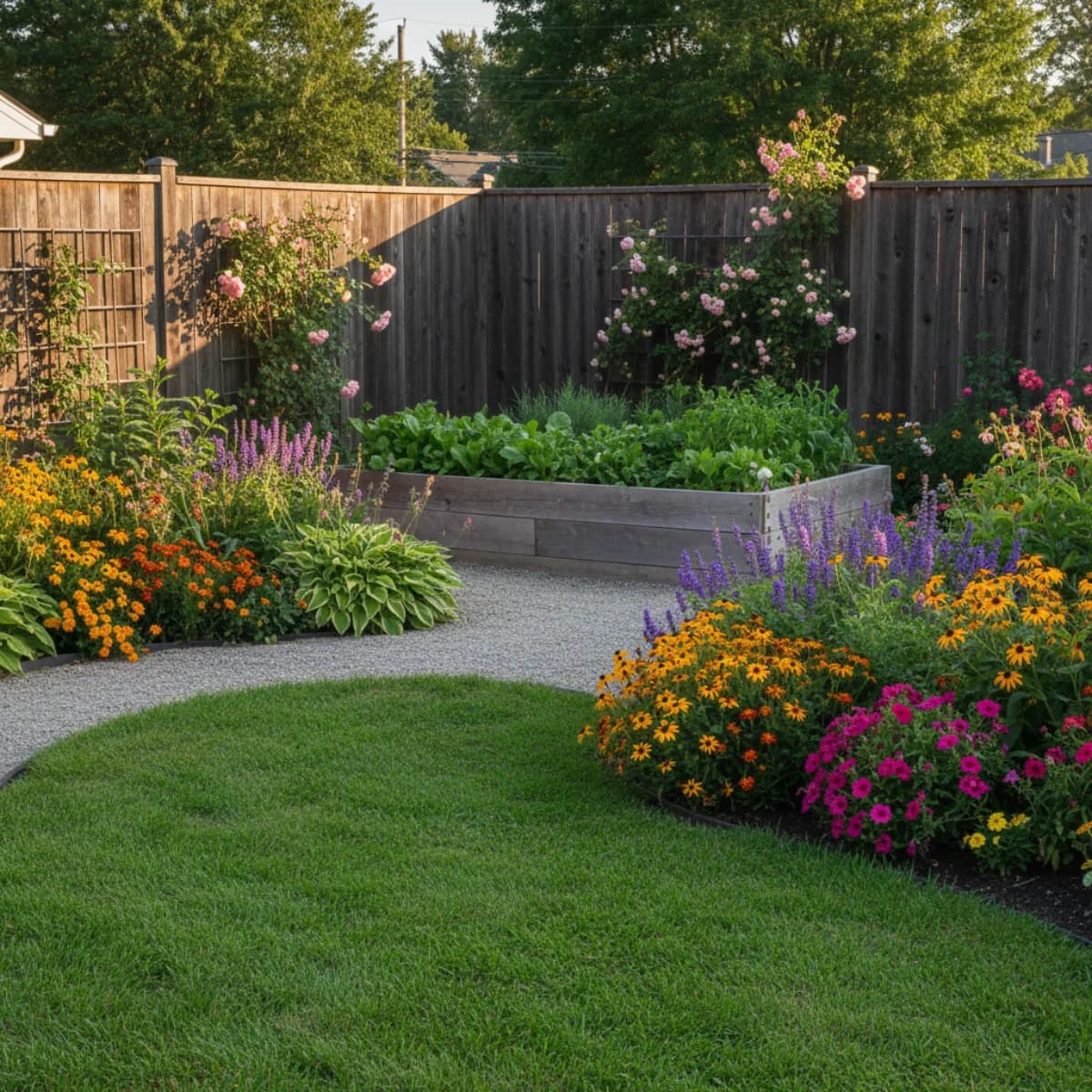
Nothing transforms a garden bed more cheaply and dramatically than a crisp, clean edge. Beds with soft, trailing edges where lawn or gravel blends indistinguishably into planting look untidy regardless of what’s planted in them. Beds with clear, defined edges look structured and intentional even when the planting is simple.
Lawn edges: Use a half-moon edging iron (a $25-40 investment) to cut a clean, vertical edge between lawn and bed. Maintain it with an edging tool or long-bladed shears through the season. Takes about an hour per 50 linear feet.
Hard edging materials: Steel or aluminum garden edging (available in rolls from garden suppliers) provides a permanent, clean line and is worth the investment if you’re not going to maintain cut edges every month. Brick or stone edging set flush with the lawn looks excellent but involves more labor to install.
The cost is minimal; the visual transformation is often the single most impactful thing you can do to a garden that costs less than $100.
2. Grow From Seed Instead of Buying Plants
The cost difference between growing plants from seed and buying transplants from a nursery is enormous:
- A 6-pack of annual transplants: $6-12
- A seed packet producing 100+ plants: $3-5
For vegetables, herbs, annuals, and many perennials, seed starting is accessible for anyone with reasonable light (a sunny window or a cheap shop light), some cell trays, and seed-starting mix.
High-value crops to start from seed:
- Annuals: Zinnias, cosmos, sunflowers, basil, marigolds—all extremely easy and cheap from seed
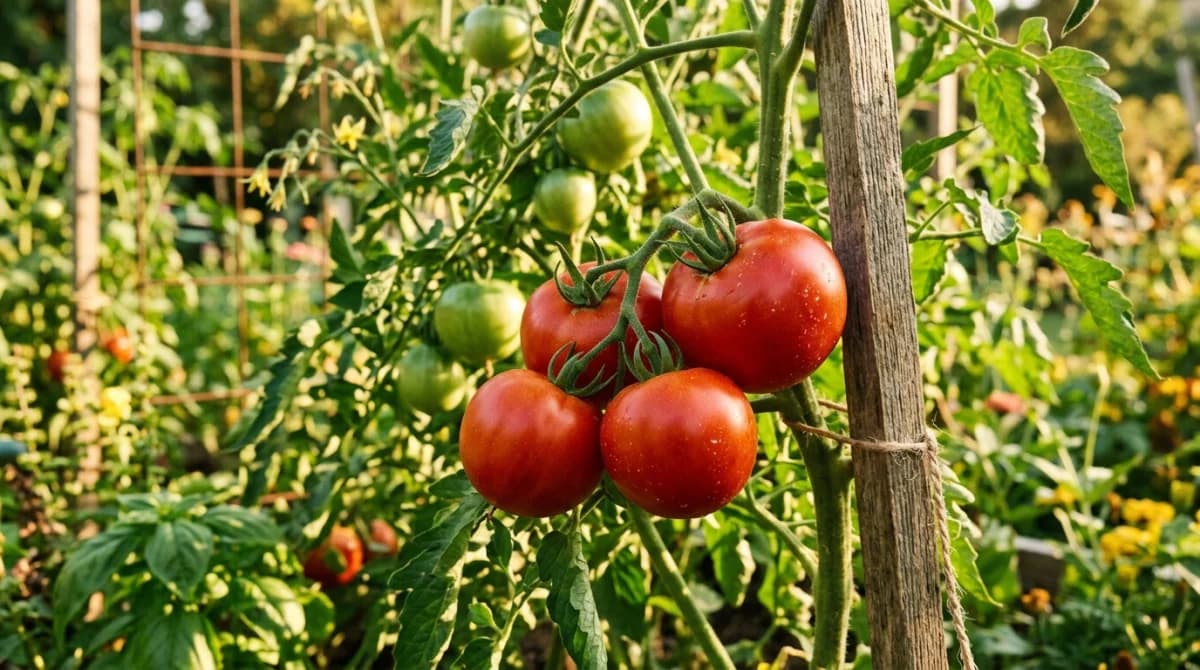
- Vegetables: Tomatoes, peppers, lettuce, kale—much cheaper from seed than transplants
- Perennials: Echinacea, rudbeckia, salvia, achillea can be grown from seed in the first year
Some plants take longer from seed (perennials may take 2 years to bloom) or are difficult to grow (slow-germinating herbs, fussy perennials). But the majority of common garden plants are accessible from seed.
3. Take Divisions and Cuttings
Established clumping perennials—hostas, daylilies, coneflowers, ornamental grasses, phlox, astilbe, and many others—can be divided every 3-4 years. Division rejuvenates the plant and gives you free divisions to use elsewhere or share.
A single large hosta clump can yield 8-15 divisions. A clump of coneflowers can provide 4-6 new plants. Ornamental grasses can be divided into many sections.
When to divide:
- Spring-flowering perennials: Divide in early fall
- Fall-flowering perennials: Divide in spring
- Hostas and foliage plants: Best in early spring just as growth emerges
Woody cuttings from shrubs (rosemary, lavender, salvia, hydrangea) taken in summer and rooted through fall produce free plants by the following spring.
4. Organize a Plant Swap
Most gardeners with established gardens have far more plants than they have space for. A neighborhood plant swap turns surpluses into desirable new additions without anyone spending anything.
Organize informally with a few gardening neighbors, or find local gardening groups (Facebook groups, horticultural societies) that host regular swaps. Bring divisions, rooted cuttings, or seedlings you’ve grown; take home what others bring.
Plant swaps are also excellent for acquiring unusual or heritage varieties that aren’t available at garden centers.
5. Make Your Own Compost
Commercial compost costs money; homemade compost is free and often better. A garden that generates a reasonable amount of organic waste—kitchen scraps, weeds, spent plants, grass clippings, fallen leaves—can produce substantial volumes of excellent compost annually.
The startup cost for a basic compost bin is $0 if you build one from pallets or scrap wood, or $30-80 for a purpose-built plastic bin. The annual return—in compost value, reduced fertilizer needs, and improved soil structure—is significant.
6. Lay Mulch Strategically
Mulch dramatically reduces weeding time (which is either your labor or paid labor) and improves plant performance. High-quality mulch from a garden center is expensive at scale; sources of free or cheap mulch include:
- Local arborist chips: Tree service companies often need to dispose of chipped wood. Some will deliver a load for free or cheap. Fresh arborist chips are excellent as mulch around trees and shrubs (avoid near perennial crowns and vegetables).
- Municipal compost programs: Many municipalities produce and sell compost cheaply from green waste processing.
- Leaves: The best and freest mulch available in fall. Shred (a lawn mower works) before using.
7. Shop at the Right Time
Garden center plants are 30-50% cheaper at the end of the season (late summer and fall) than at peak spring prices. Fall-planted perennials, shrubs, and trees establish well—the cooler weather reduces transplant stress and the winter root-growing period gives them a head start.
The best deals are also at the back of the garden center where plants that are slightly root-bound or had a rough summer are marked down significantly. These aren’t damaged plants—they’re plants that will recover and perform well once in the ground.
8. Focus Your Budget on High-Impact Items
When you do spend money, spend it where it has the most impact:
A few quality trees or large shrubs: These provide permanent structure that no amount of annual plants can replicate. Buy one or two good specimens rather than many small plants.
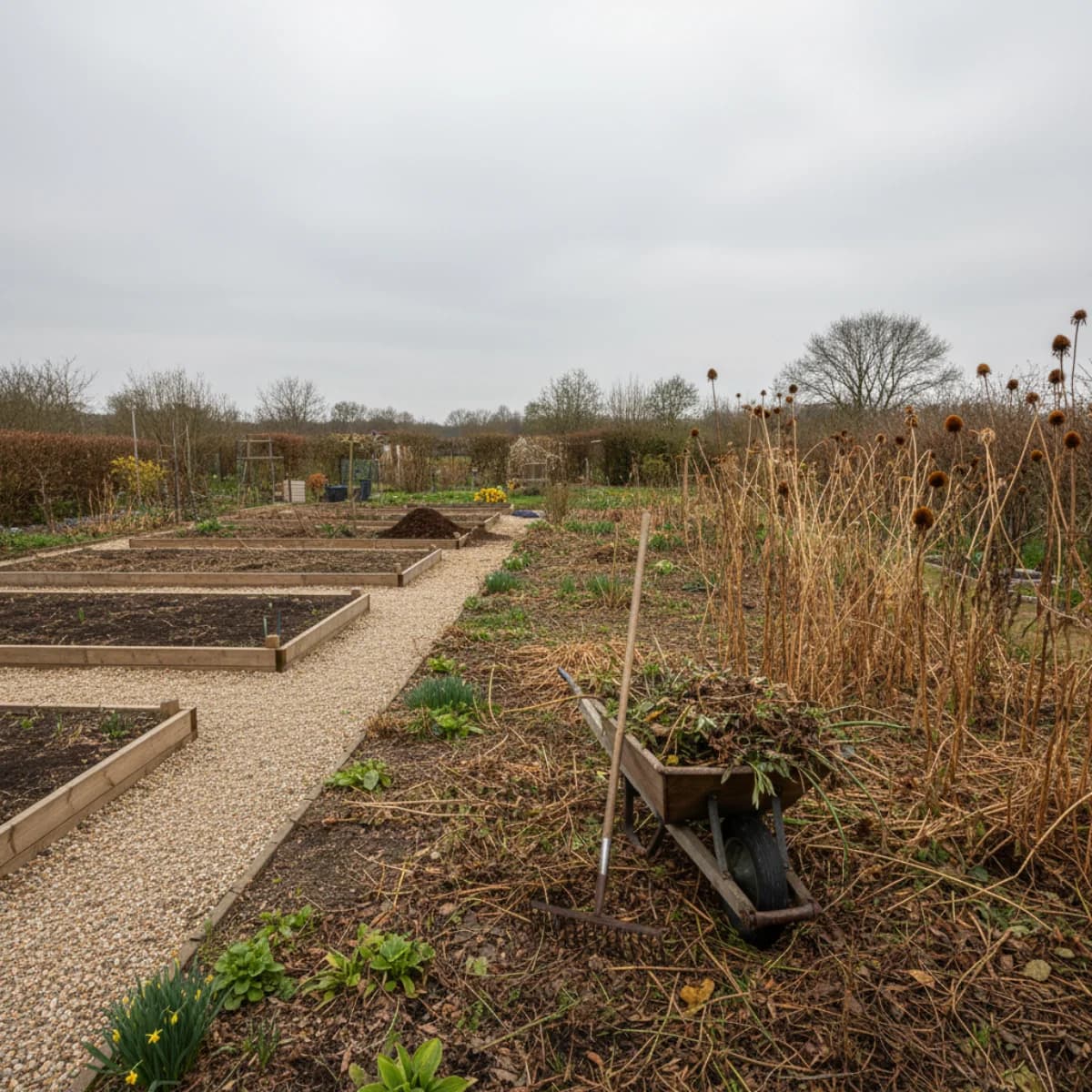
Quality hard landscaping: A well-laid stone path, a properly built raised bed, a good-quality pergola—these improve every year and look better with age. Cheap versions of the same things deteriorate quickly.
Soil improvement: A load of quality compost or a few bags of well-rotted manure improves every plant’s performance. This is often the single most cost-effective investment in a neglected garden.
The January Budget Plan
For a garden makeover this season:
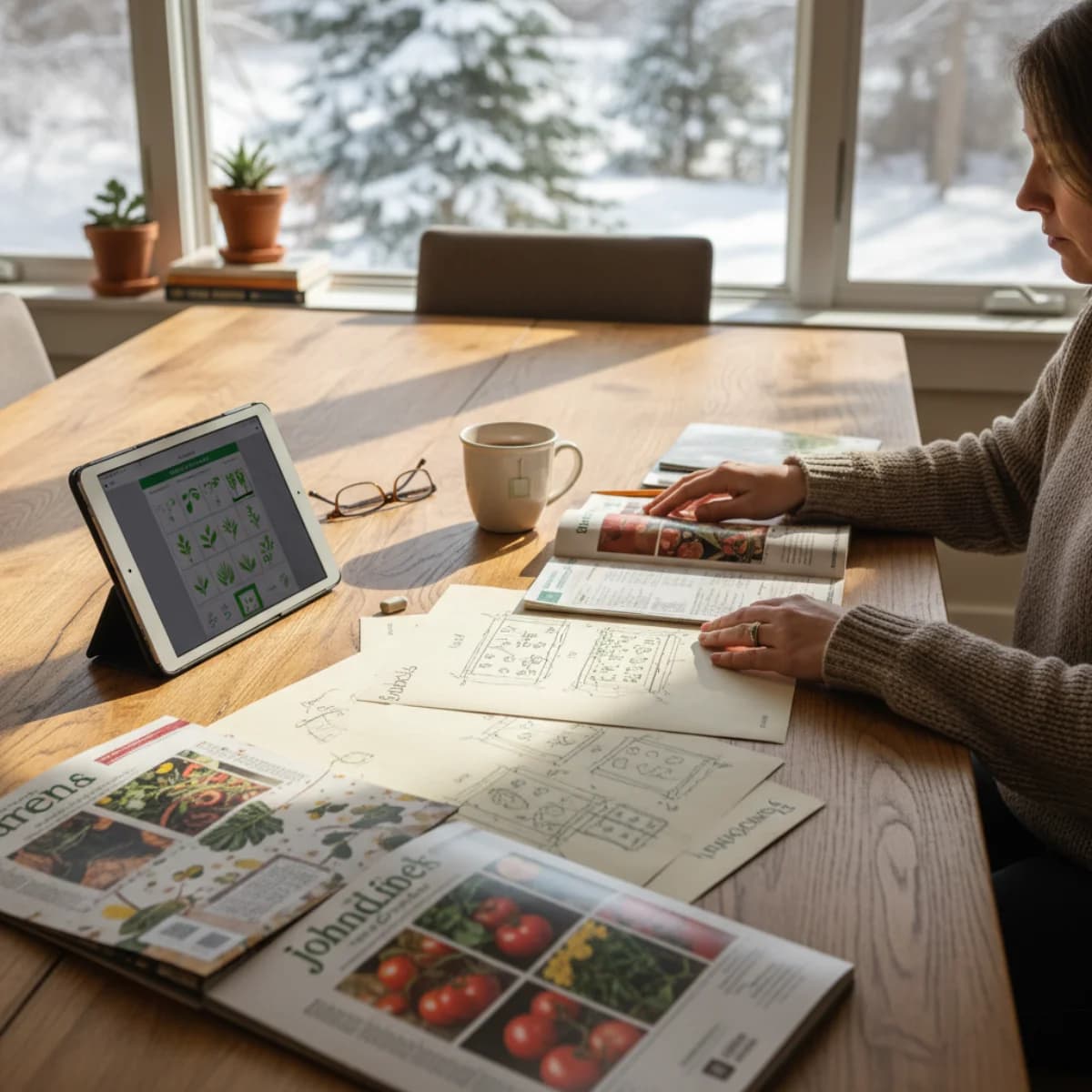
- List what you’ll grow from seed and order now—seed catalogs, not nurseries
- Identify plants you can divide in your own garden or borrow from neighbors
- Plan what hard work you’ll do yourself (edging, path laying, raised bed construction) vs. what might require professional help
- Set a realistic budget for what you’ll actually purchase, prioritizing the structural, long-lived elements
- Research free resources: Arborist chips, municipal compost, plant swaps in your area
A beautiful garden is not a function of budget—it’s a function of attention, knowledge, and good design. Plan well, spend strategically, and grow the rest yourself.
Sources & Further Reading
- Raised Bed Gardens — University of Minnesota Extension
- Improving Garden Soils with Organic Matter — Oregon State University Extension
- Raised Beds and Containers for Community Gardens — University of Wisconsin Horticulture Extension