The First Seeds You Can Sow Outdoors This Spring
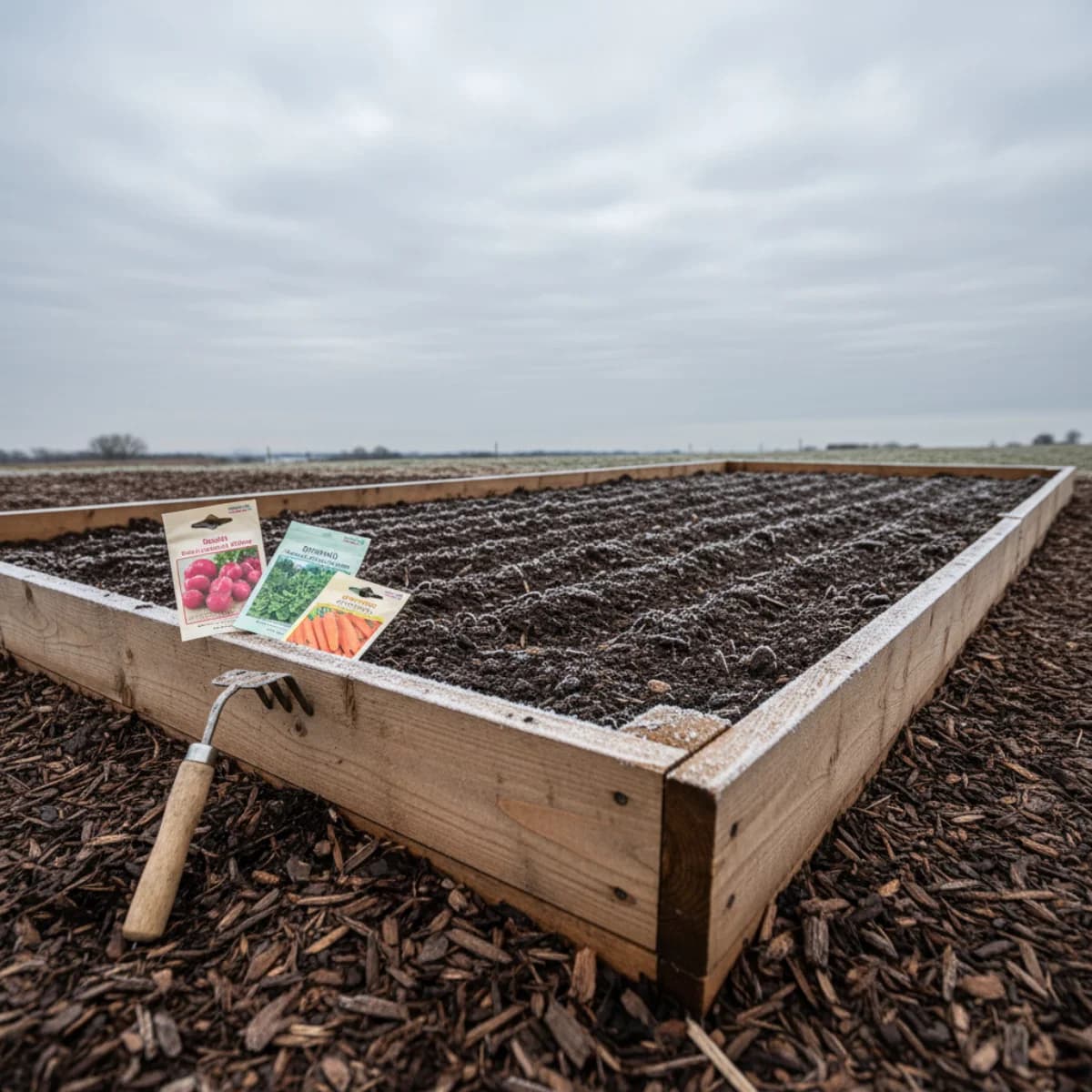
There is a particular kind of restlessness that sets in by late February. The seed packets are stacked on the kitchen counter, the soil thermometer is sitting by the back door, and every sunny afternoon feels like an invitation. The good news: you do not have to wait for the last frost date to start planting. A handful of tough, cold-tolerant crops actually prefer to be sown while the soil is still cool, and some even germinate better with a touch of frost.
These are the seeds worth getting into the ground right now, weeks before the main planting season begins.
Peas: The Classic First Sow
Peas are the traditional signal that gardening season has started. They germinate in soil as cool as 4°C (40°F) and actually produce better yields when they mature before summer heat arrives. In most zones, late February through mid-March is the ideal window.
Varieties to Try
Snow peas like ‘Oregon Sugar Pod II’ are forgiving and productive. Snap peas like ‘Sugar Ann’ (a dwarf variety) or ‘Super Sugar Snap’ give you those satisfying crunchy pods. Shelling peas like ‘Green Arrow’ or ‘Lincoln’ are worth the effort if you have the patience to shell them.
Sowing Tips
Soak seeds overnight to speed germination. Plant 2.5 cm (1 inch) deep and 5–7 cm (2–3 inches) apart in double rows. Get your supports in place at sowing time rather than scrambling later when the tendrils start reaching. A simple string trellis or chicken wire panel works well.
Peas fix their own nitrogen, so skip the heavy fertilizer. Inoculating seeds with rhizobium bacteria before planting can boost yields, especially in beds where peas have not grown before.
Spinach: Thrives in the Cold
Spinach is one of the few vegetables that genuinely prefers cool weather. Seeds germinate at soil temperatures as low as 2°C (35°F), and the plants grow fastest between 10–18°C (50–65°F). Once temperatures climb above 24°C (75°F), spinach bolts to seed almost immediately, so getting it in early gives you the longest harvest window.
Varieties Worth Growing
‘Bloomsdale Long Standing’ is a classic with thick, savoyed leaves that hold up well in salads. ‘Space’ is a smooth-leaf variety that is easier to wash. ‘Giant Winter’ lives up to its name and handles cold weather particularly well.
How to Sow
Plant seeds 1.5 cm (half an inch) deep and 5 cm (2 inches) apart. Thin seedlings to 10–15 cm (4–6 inches) apart once they develop true leaves. Spinach has a deep taproot, so loose, well-amended soil pays dividends. A light mulch of straw or shredded leaves helps retain moisture and keeps soil temperatures even.
Radishes: Instant Gratification
If you need proof that spring is actually happening, radishes deliver. Some varieties go from seed to harvest in just 21 days. They tolerate light frost easily and grow best in cool conditions.
Quick Picks
‘Cherry Belle’ is the standard round red radish that matures in about 22 days. ‘French Breakfast’ has an elongated shape with a milder flavor. ‘Watermelon’ radish (actually a fall crop, but the seeds can go in now for a late spring harvest) has that stunning pink interior.
For something different, try ‘Daikon’ types sown in early spring. They take longer (50–60 days) but give you large, mild roots perfect for stir-fries and pickling.
Spacing and Succession
Sow radish seeds 1 cm (half an inch) deep and 2.5 cm (1 inch) apart. The key to a steady supply is succession sowing: plant a short row every 10 days from late February through April. Once warm weather arrives, switch to heat-tolerant varieties or pause until fall.
Lettuce and Salad Greens
Lettuce seed germinates at soil temperatures between 4–18°C (40–65°F), making late February an ideal sowing time. Loose-leaf varieties are the most cold-tolerant and give you a cut-and-come-again harvest that lasts for weeks.
Reliable Choices
‘Black Seeded Simpson’ is a fast-growing, light green loose-leaf that handles cold well. ‘Rouge d’Hiver’ is a beautiful red-tinged butterhead bred specifically for winter growing. ‘Winter Density’ is a semi-cos type that bridges the gap between butterhead and romaine, with excellent cold tolerance.
Mix in some arugula (‘Astro’ or ‘Sylvetta’ wild arugula), mizuna, and mache (corn salad) for a diverse spring salad bed. All of these germinate readily in cool soil and actually taste better before the heat of summer intensifies their flavors.
Sowing Method
Scatter seeds thinly across a prepared bed and barely cover them. Lettuce needs light to germinate, so a dusting of fine soil or vermiculite is all that is needed. Keep the surface moist until seedlings emerge, which usually takes 7–14 days in cool conditions.
Fava Beans: The Overlooked Powerhouse
Fava beans (also called broad beans) are one of the hardiest legumes you can grow. They tolerate temperatures down to -5°C (23°F) once established and prefer cool growing conditions. In mild-winter areas, they can even be fall-sown, but a late February planting works well in most climates.
Why Grow Them
Beyond their rich, buttery flavor, favas improve your soil by fixing nitrogen just like peas. The plants are sturdy and upright, reaching about 90–120 cm (3–4 feet) tall, and their flowers are strikingly beautiful with a sweet fragrance that attracts early pollinators.
How to Plant
Sow seeds 5 cm (2 inches) deep and 15–20 cm (6–8 inches) apart in double rows spaced 20 cm (8 inches) apart. Pinch out the growing tips once the first pods begin to form. This redirects energy into the beans and removes the succulent tips that blackfly aphids love.
‘Aguadulce Claudia’ is the go-to variety for early sowing, bred specifically for late winter planting.
Alliums: Onion Sets and Spring Onions
Onion sets (small bulbs rather than seeds) can go into the ground in late February in many zones. They are remarkably frost-hardy and will sit dormant until conditions warm up, then take off quickly.
Spring onions (scallions) from seed are equally cold-tolerant. Sow ‘White Lisbon’ or ‘Evergreen Hardy White’ 1 cm (half an inch) deep in rows, and you will be pulling fresh scallions in 60–70 days. They tolerate repeated light frosts without complaint.
Making the Most of Early Sowings
Protect Without Fussing
A simple row cover (fleece or floating fabric) laid directly over newly sown beds adds 2–4°C of frost protection and speeds germination. You do not need hoops or frames for most early crops. Just lay the fabric loosely over the soil and weight the edges with stones or boards.
Cold frames, if you have them, extend the season even further. A sheet of old glass or clear plastic over a simple frame creates a microclimate several degrees warmer than the open garden.
Soil Preparation Matters
Cold, waterlogged soil will rot seeds rather than grow them. If your beds are still sodden from winter rain, wait a few days for them to drain. A quick test: squeeze a handful of soil. If it crumbles, it is ready. If it forms a sticky ball, give it more time.
Work in a thin layer of compost before sowing. Cold soil has lower biological activity, and the extra organic matter helps seeds get the nutrients they need during slow early growth.
Plan Your Layout
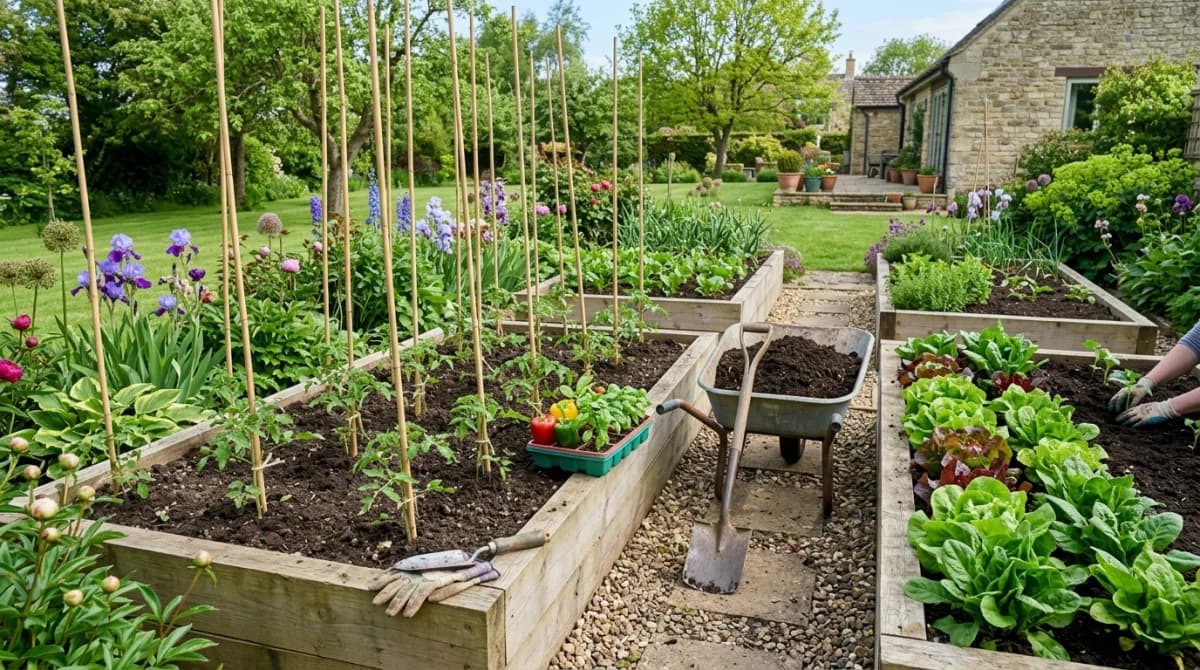
Early spring crops occupy beds for a relatively short time. Peas finish by early summer, radishes in weeks, and spring lettuce bolts once heat arrives. Think of these as the opening act for your main-season garden. When you plan your beds with these successions in mind, you can follow cold-hardy crops with warm-season transplants like tomatoes, peppers, and squash without wasting a single week of growing time.
Tools like Gardenly can help you visualize these bed rotations and plan which crops follow which, so your garden stays productive from the first thaw through the last harvest.
Get Out There
The best thing about these early crops is that they are forgiving. Peas, spinach, radishes, and lettuce have been grown by kitchen gardeners for centuries precisely because they tolerate imperfect conditions. A late frost will not kill them. A week of rain will not drown them. They are built for this awkward shoulder season between winter and spring.
So grab those seed packets, pull on a warm jacket, and go plant something. The garden is ready even if the calendar says otherwise.
Sources & Further Reading
- Cool-Season vs. Warm-Season Vegetables — Penn State Extension
- Plant Cold-Hardy Vegetables Now for a Spring Harvest — OSU Extension Service
- Planting the Vegetable Garden — University of Minnesota Extension
- Vegetable Planting Calendar — University of Maryland Extension