How to Force Spring Branches to Bloom Indoors in February
The trick to surviving a long winter in the garden is bringing a little spring inside before the ground thaws. Forcing branches—cutting flowering shrubs and trees while they’re still dormant and convincing them to bloom indoors—is one of the oldest gardening pleasures. It’s also remarkably easy.
By mid-to-late January, most flowering trees and shrubs have fulfilled their chilling requirement (the number of cold hours needed to break dormancy), which means they’re ready to bloom—they’re just waiting for warmth. Bring a branch inside and give it that warmth, and it cooperates beautifully.
The Best Shrubs and Trees for Forcing
Not every plant forces equally well. Some bloom within a week; others take three weeks or never quite open indoors. These are the most reliable:
Forsythia ★★★★★
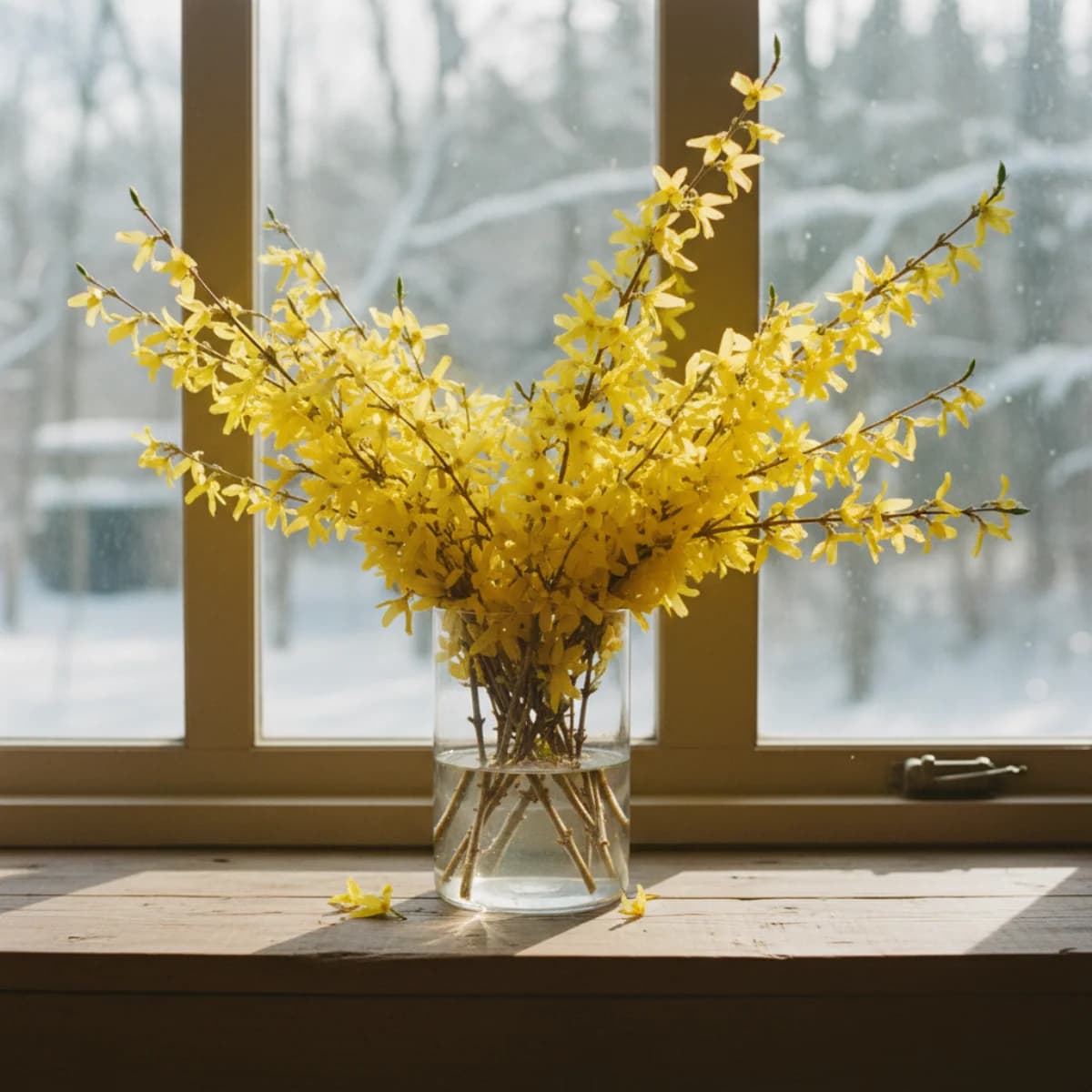
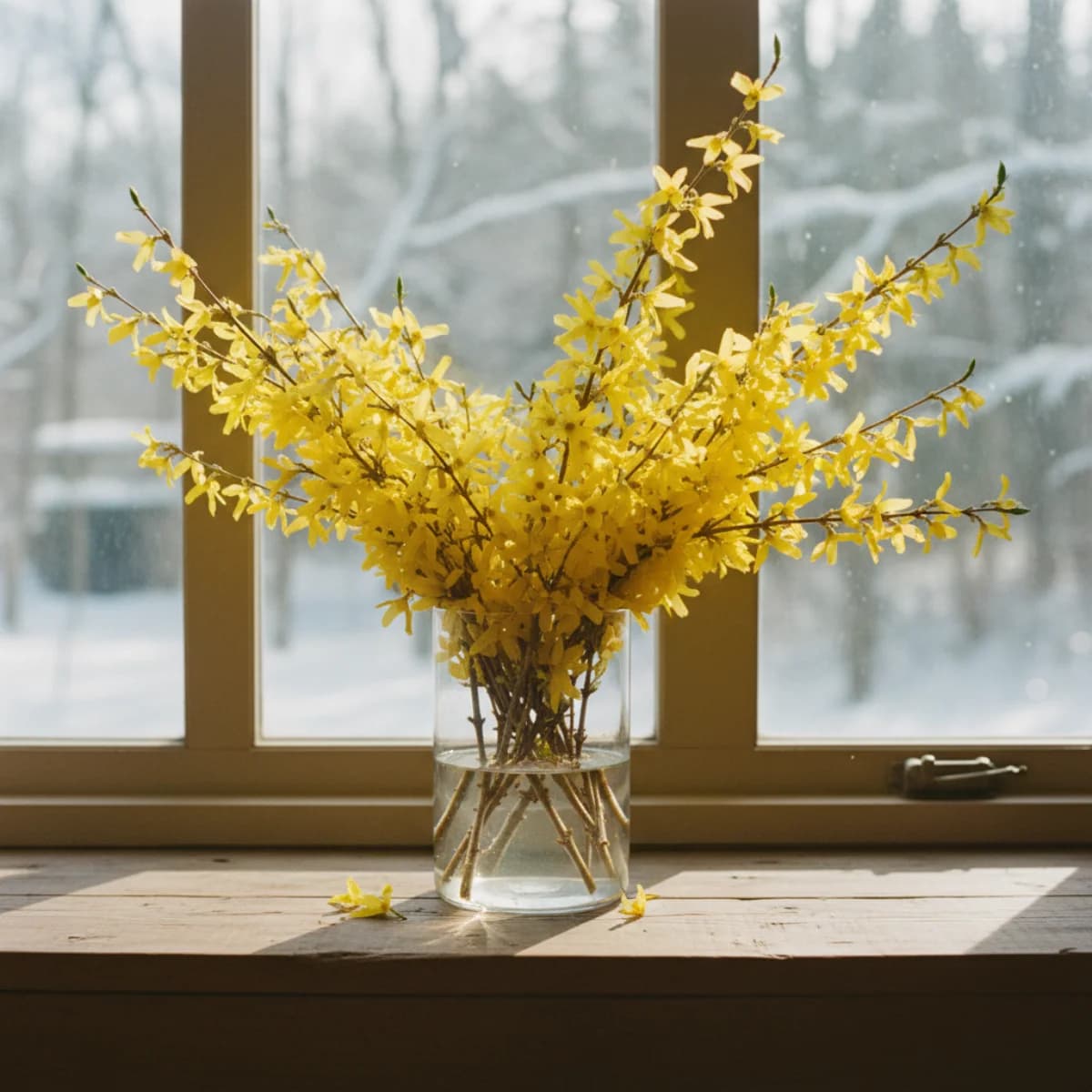
The gold standard for forcing. Forsythia branches forced in February open into cascades of bright yellow flowers within 1-2 weeks. They’re common, beautiful, and so easy to force that they’re a good first attempt for anyone new to the technique.
Pussy Willow ★★★★★
Cut pussy willow branches before the catkins fully develop and they’ll open their silky gray fuzz within days. They last for weeks as a dried arrangement even after they’re done as forced branches.
Flowering Quince ★★★★☆
The waxy, jewel-toned blooms of flowering quince—red, orange, pink, or white depending on variety—force exceptionally well and last a long time in a vase. Cut when the buds are just barely swelling.
Cherry and Plum (Ornamental) ★★★★☆
Both ornamental cherries and fruiting varieties force well, producing the delicate pink and white blossoms they’re famous for. The key is cutting branches with abundant buds—look for the rounder, fatter buds (flower buds) rather than the slimmer, pointier leaf buds.
Serviceberry (Amelanchier) ★★★★☆
Often overlooked as a forcing subject, serviceberry produces lovely white blooms that open within 2-3 weeks and have a delicate fragrance. Native to most of North America, they’re likely growing near you.
Redbud ★★★☆☆
Can be forced with some patience—takes 3-4 weeks—but the magenta flowers emerging directly from bare branches are spectacular. Worth the wait.
Apple and Pear ★★★☆☆
Fruit tree branches force successfully but take longer than ornamentals (3-4 weeks). The flowers are lovely and some varieties are fragrant.
Lilac ★★☆☆☆
Frustrating to force. The large, fragrant clusters almost never open fully indoors, and forced lilac often produces mostly leaves. Better enjoyed outdoors.
How to Do It
1. Wait for the Right Time
Don’t cut too early. Most shrubs and trees need a minimum chilling period (usually 1,000-2,000 hours below 45°F) before they’ll respond to forcing. In most of the US, this requirement is met by late January or early February. If you cut in December or early January, branches may sit in water for weeks without budging.
2. Choose the Right Branches
Look for branches loaded with flower buds. On most trees, flower buds are rounder and fatter than leaf buds, which are slimmer and more pointed. Choose branches with buds spaced closely along their length rather than just at the tips.
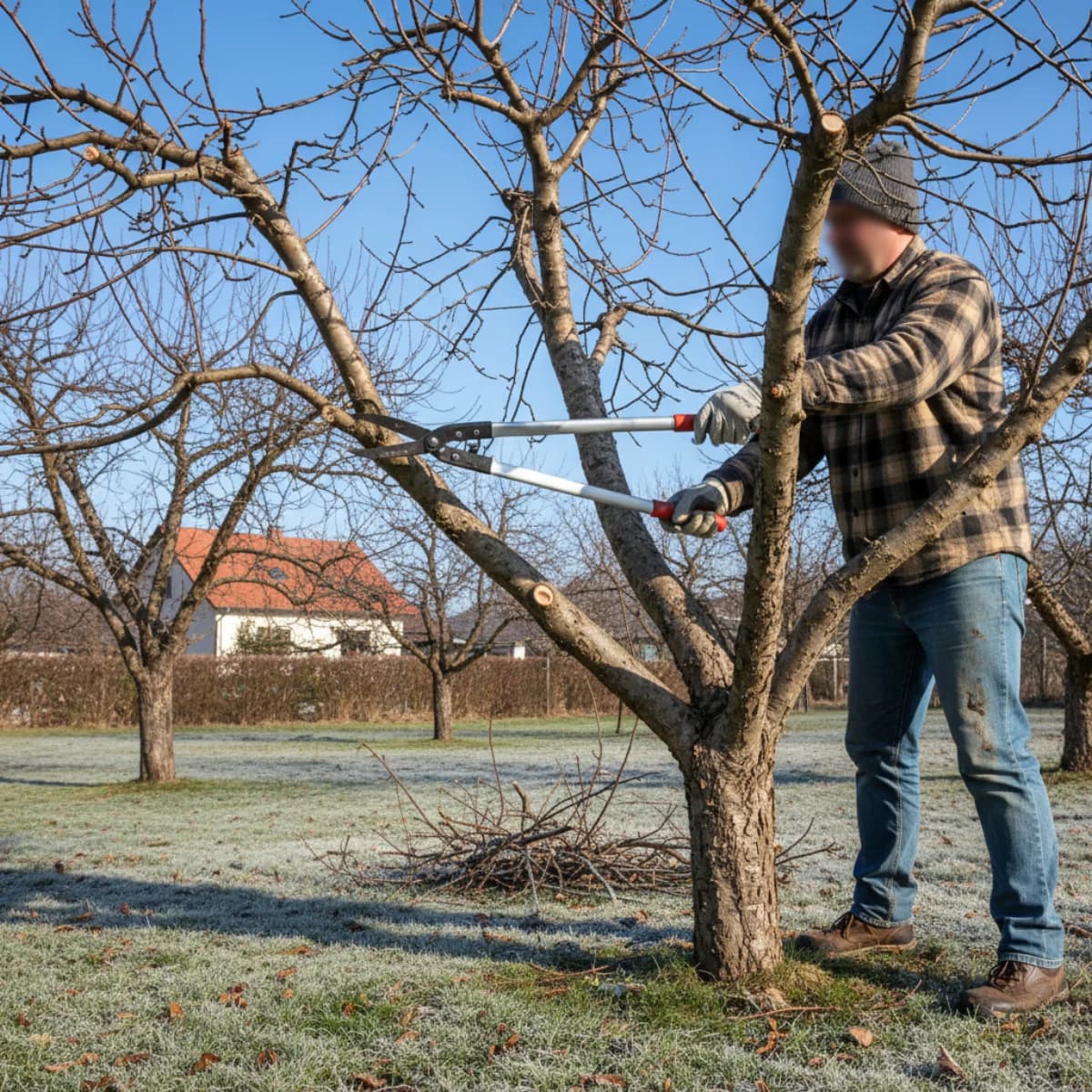
Cut branches at least 12-18 inches long—longer branches give you better visual impact. On forsythia and quince, you can cut quite generously (this is also a good time to prune for shape).
3. Process the Branches
This is the most important step that most people skip: prepare the cut ends to absorb water effectively.
- Make a fresh cut at a 45-degree angle
- Split the bottom 2-3 inches of the stem lengthwise with pruners or a knife—this exposes more surface area for water uptake
- Some gardeners also lightly smash the very end of the stem with a hammer; this is particularly helpful for hard-stemmed woody branches
4. Give Them a Long Drink
Place branches immediately in a bucket of room-temperature water and let them soak for 12-24 hours in a cool location. This hydrates the tissues and gives branches the best possible start.
5. Arrange and Place Indoors
Move branches to a vase with fresh water (add a drop of bleach or floral preservative to slow bacteria) in a location that’s warm but not hot, with indirect bright light. Avoid placing near heating vents, which dry them out quickly.
A room temperature of 60-70°F is ideal. Cooler temperatures extend the bloom time once flowers open; warmer temperatures speed blooming but flowers don’t last as long.
6. Mist Regularly
Misting the buds with a spray bottle daily helps keep them from drying out, especially in heated homes with low humidity. This makes a real difference in how well the buds open.
What to Expect
Forsythia: 7-14 days to bloom Pussy willow: 5-10 days Flowering quince: 14-21 days Cherry and plum: 14-21 days Serviceberry: 14-21 days Redbud: 21-28 days Apple and pear: 21-28 days
Change the water every few days and recut stems to keep things fresh. Most forced branches will hold their blooms for 1-2 weeks once fully open.
Styling Forced Branches
Forced branches look stunning in simple, wide-mouthed vases or pitchers that let their arching form show. A few branches of forsythia in a clear glass vase on a kitchen counter transforms a February morning. Mixed arrangements—pussy willow with cherry branches, quince with early spring bulbs from pots—are gorgeous.
They also work well as part of a staged tabletop arrangement with other winter botanicals: dried seed heads, evergreen sprigs, hellebore blooms cut short.
A Note on Cutting
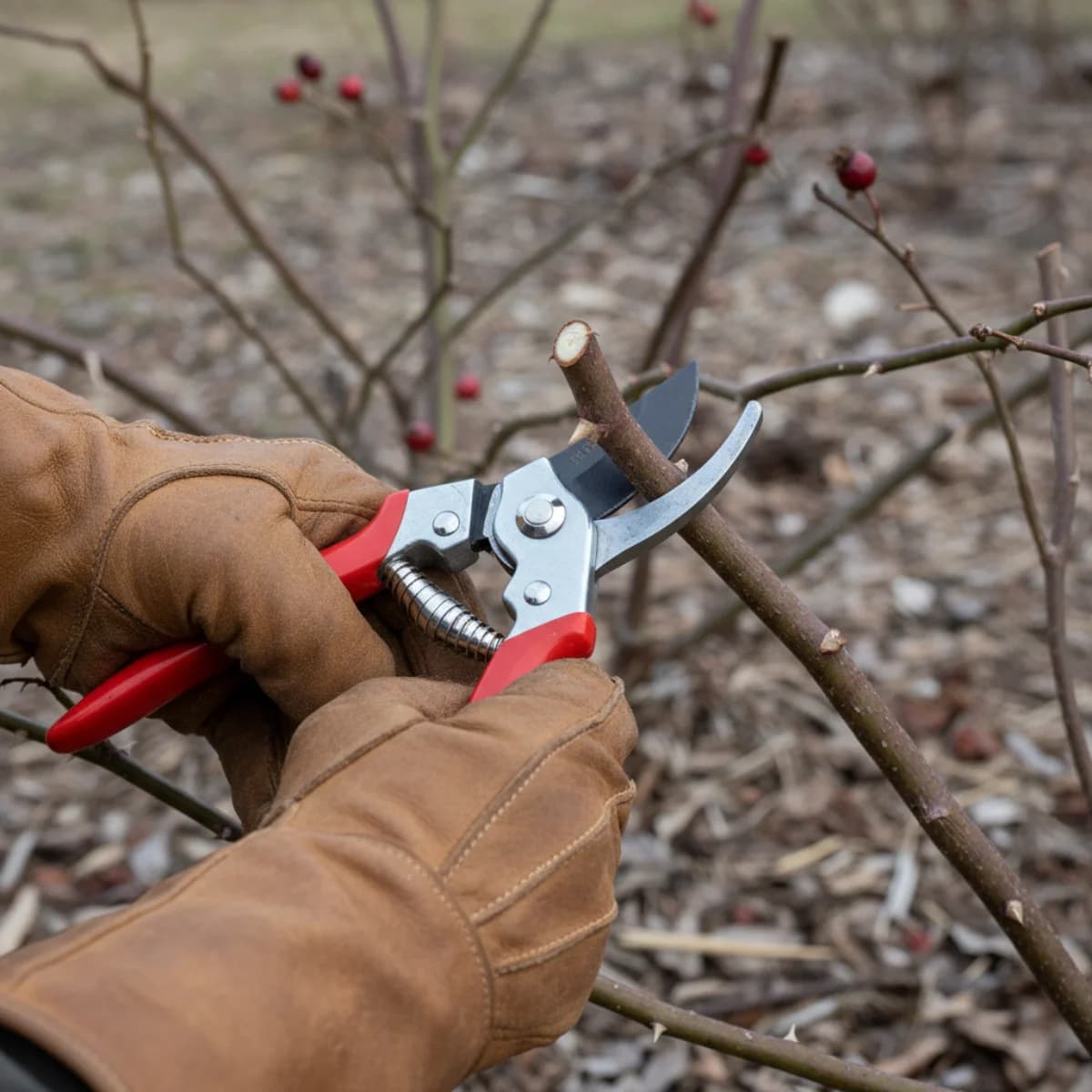
Always use sharp, clean pruners when cutting branches. Make clean cuts at an angle, and cut just above a bud or side branch. Forcing actually works as pruning—you’re shaping the plant while harvesting blooms. Just make sure you’re not removing so much material that you significantly impact next year’s flower display.
February is long and gray in many parts of the country, and there’s something deeply satisfying about having a vase of spring blooms on the table while snow is still on the ground. If you haven’t tried forcing before, this is the year to start—the results consistently surprise people with how beautiful and easy they are.
Sources & Further Reading
- Forcing Branches for Inside Blooms — National Gardening Association
- Forsythia, Forsythia spp. — Wisconsin Horticulture, UW-Madison Extension
- How to Grow Forsythia — Royal Horticultural Society