The January Garden Checklist: Everything Worth Doing This Month
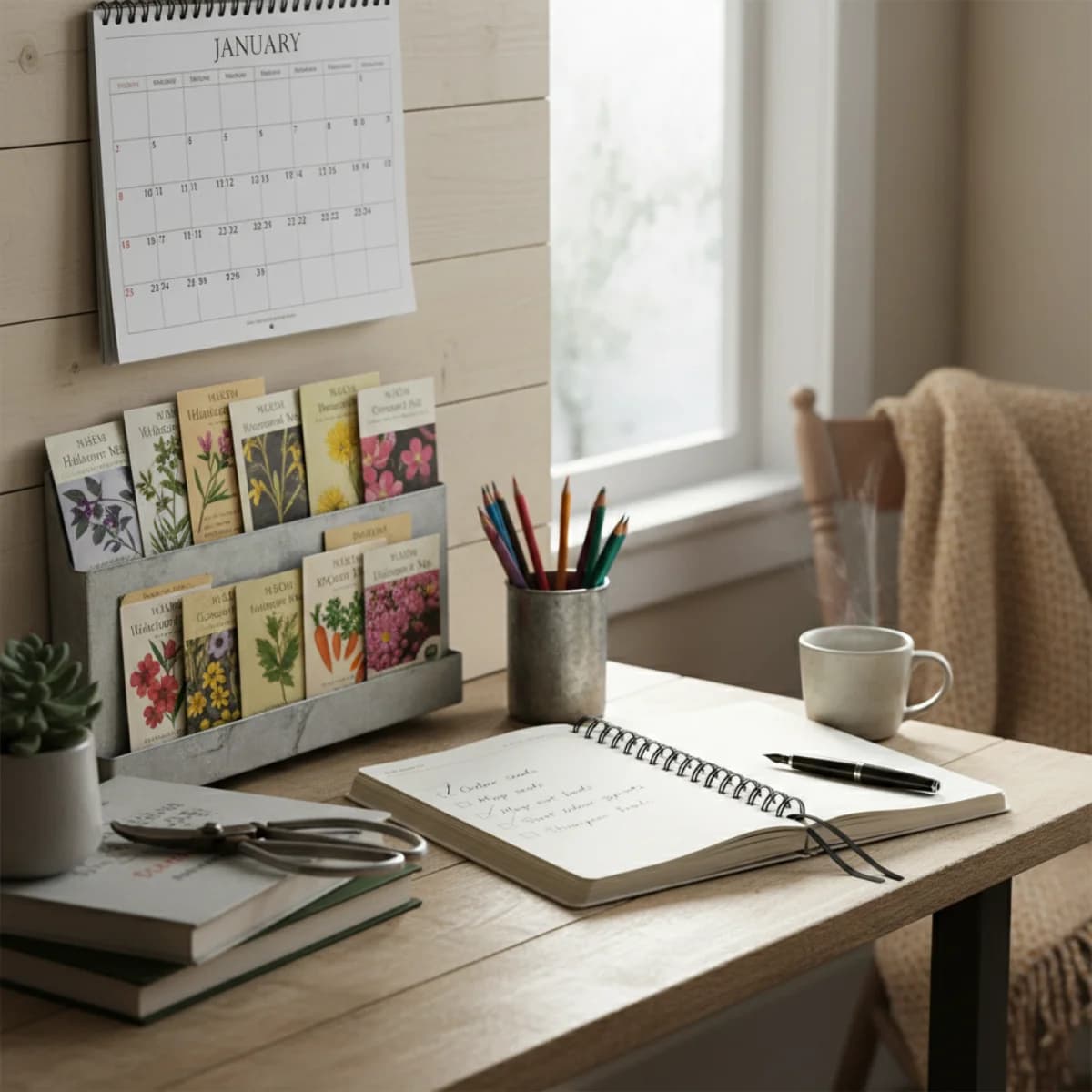
Most gardeners treat January as a month to wait out. The ground is frozen, the days are short, and the garden is dormant. But there’s actually a surprising amount to do—most of it at a table rather than in the dirt—and the effort you put in now pays dividends when spring arrives and everything happens at once.
Here’s a practical, zone-sensitive checklist for January.
Ordering and Planning (All Zones)
Finalize Your Seed Order
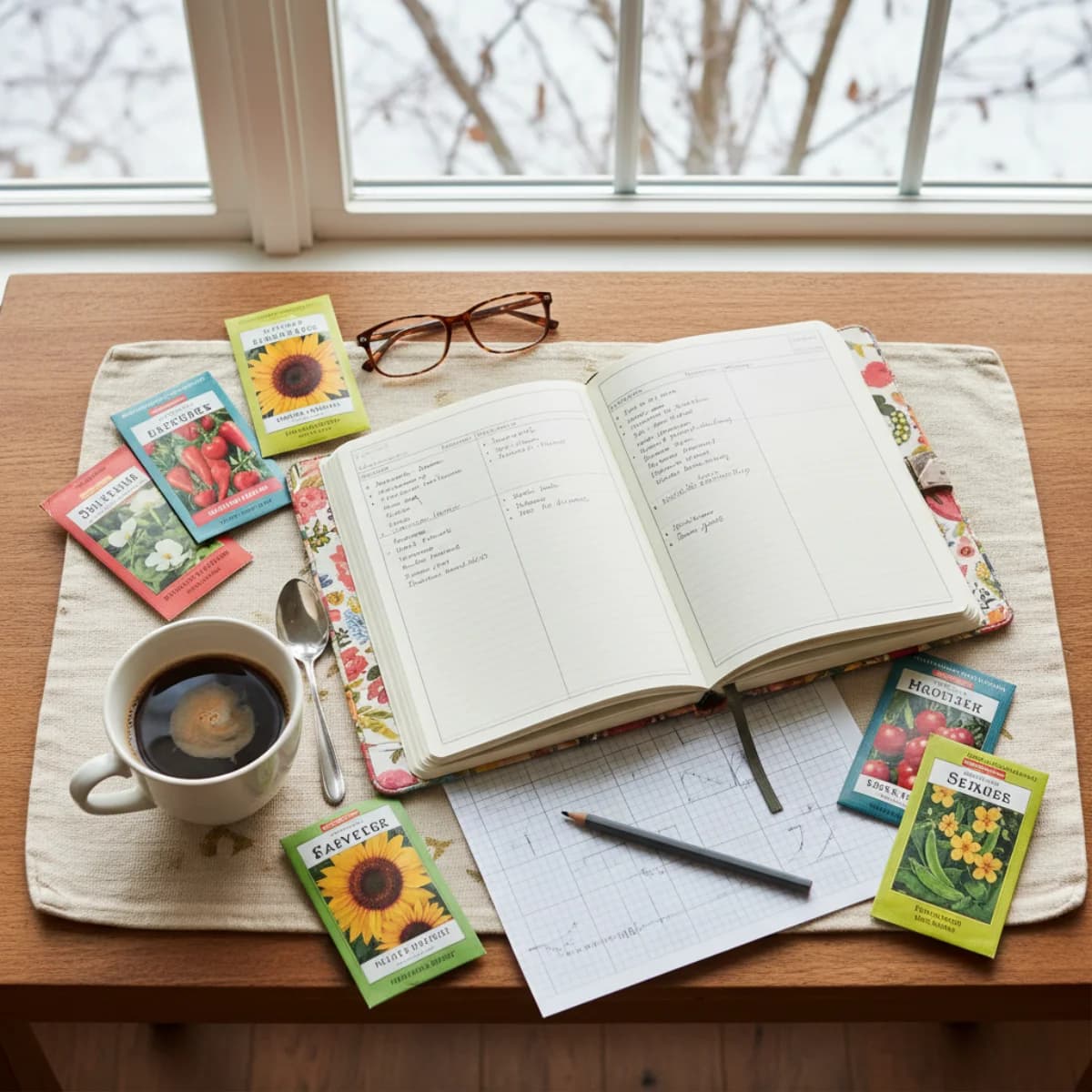
January is when popular varieties sell out. If you browse catalogs through December and buy in January, you’ll get your first choices. If you wait until March, you’ll be accepting substitutions.
Check your inventory first. Many seeds remain viable for 2-3 years, so test old packets by wrapping 10 seeds in a damp paper towel, sealing in a bag, and counting how many germinate after 7-10 days. 7 out of 10 or better means the seed is worth using.
Order from at least two suppliers to reduce the risk of a single favorite variety being out of stock. Useful sources include Johnny’s Selected Seeds, Baker Creek Heirloom Seeds, Fedco Seeds, and regional suppliers suited to your climate.
Draw Your Garden Plan
If you’re making layout changes this year—new beds, relocated plants, different crop rotations—sketch them now. This is the time when you have perspective. By April, you’ll be too busy to plan thoughtfully.
Use graph paper at a scale of 1 inch = 4 feet for an accurate layout. Note sun exposure, drainage, and any problem areas. Plan crop rotation so brassicas, nightshades, and legumes don’t return to the same spot two years running.
Review Last Year’s Notes
If you kept a garden journal, now is the time to read it. If you didn’t, now is the time to start one. Note which varieties thrived, which underperformed, what arrived too late, and what went in the ground too early. These notes are worth more than any gardening book.
Set Up a Planting Calendar
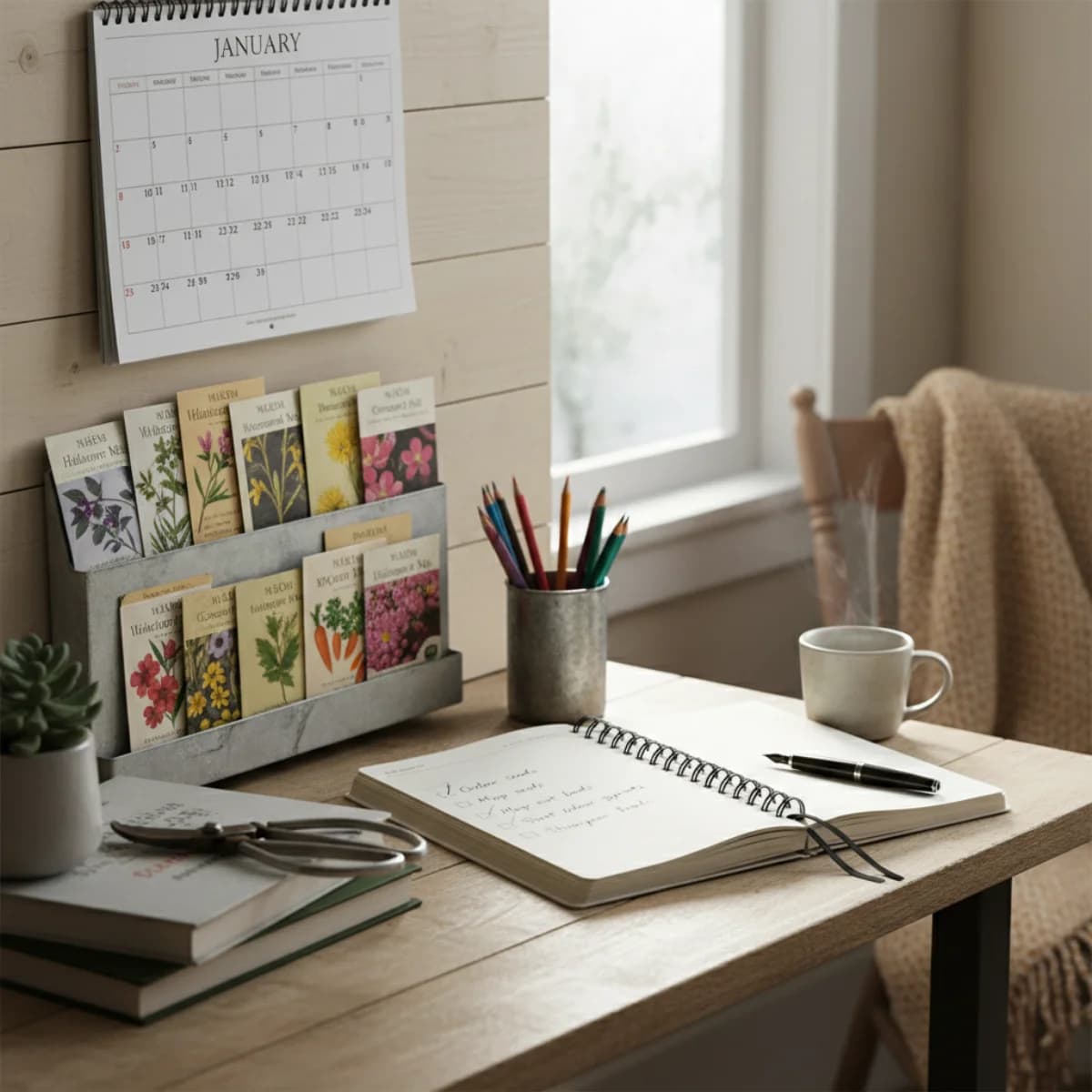
Calculate seed-starting dates backward from your last average frost date. Mark key dates on a calendar:
- 12 weeks before last frost: onions, leeks, celery, rosemary, lavender
- 10 weeks: peppers
- 8 weeks: tomatoes, eggplant, slow annual flowers (in colder zones)
- 4-6 weeks: fast-growing annual flowers, cucumbers (for early zones)
- 2-4 weeks: basil, squash, melons
Seed Starting (By Zone)
Zones 3-6 (Most of the US North and Midwest)
January is primarily a planning and ordering month. The first seeds—onions, leeks, and celery—go into trays in the last week of January at the earliest for Zone 6, and not until late February for Zones 3-4.
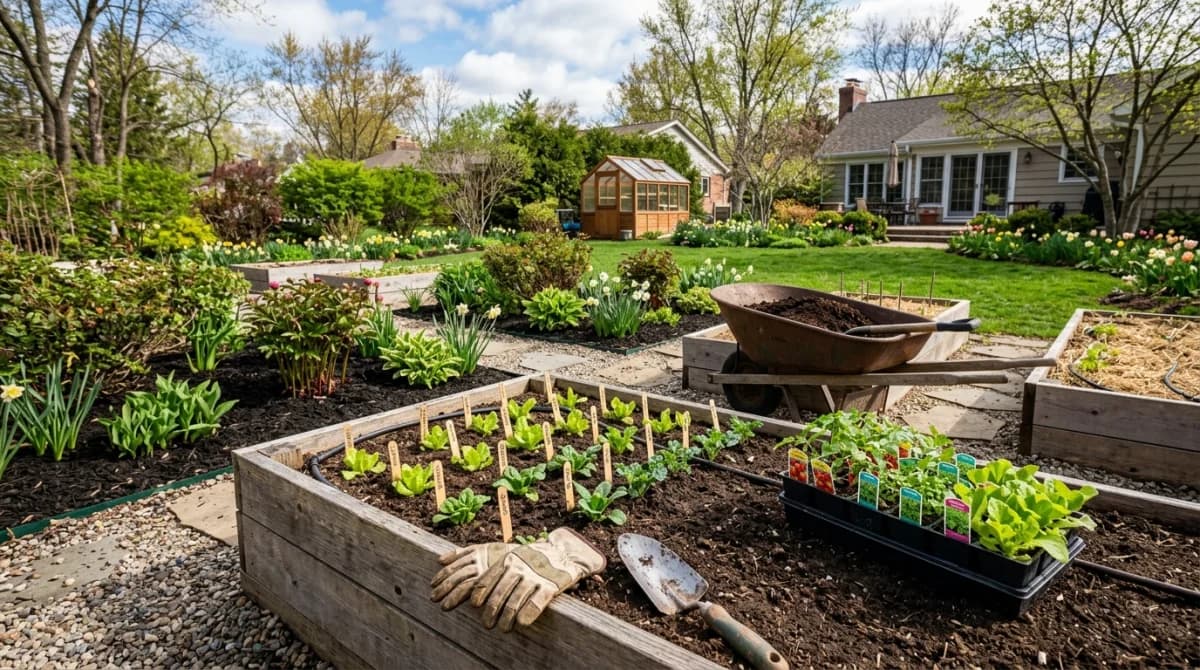
Set up your seed-starting station: shelving, grow lights, a heat mat, and cell trays. Test your lights and heat mat now rather than when you need them.
Zones 7-8 (Pacific Northwest, Mid-South, Much of the UK)
Cold-hardy brassicas like kale, chard, and cabbage can be started under cover in late January for Zone 8. In Zone 7, wait until February.
Outdoors, January is a good time to sow sweet peas directly (cold stratification helps germination). Sow 2 inches deep against a support structure and they’ll emerge when the weather warms.
Zones 9-10 (Southern California, Gulf Coast, South Florida)
You’re in full swing. January is mild enough to transplant cool-season crops that were started in fall—broccoli, cauliflower, kale, spinach, and peas. Direct sow carrots, beets, and lettuces now.
Tomatoes and peppers can be started indoors this month for a February/March transplant date in warmer parts of Zone 10.
Outdoor Tasks
Inspect Trees and Shrubs
Before new growth begins, walk your property and look for:
- Storm damage: Broken or hanging branches that need to come down
- Crossing branches: Two branches rubbing against each other, damaging bark
- Dead wood: Scratch a twig—brown and dry inside means dead; remove it
- Disease signs: Cankers (sunken, discolored areas on bark), unusual growths, or significant dieback
Deal with anything hazardous or structurally problematic before spring growth adds weight to branches.
Dormant Pruning
For most deciduous trees and shrubs, winter dormancy is the best time to prune:
- Fruit trees: Prune apples, pears, and cherries for structure and airflow
- Roses: Wait until late January or February, or until you see the first swollen buds
- Summer-flowering shrubs (buddleia, caryopteris, hardy hibiscus): Hard prune now, before new growth starts
- Avoid: Spring-flowering shrubs like forsythia, lilac, and weigela—prune those right after they bloom, not now
Check Mulch and Winter Protection
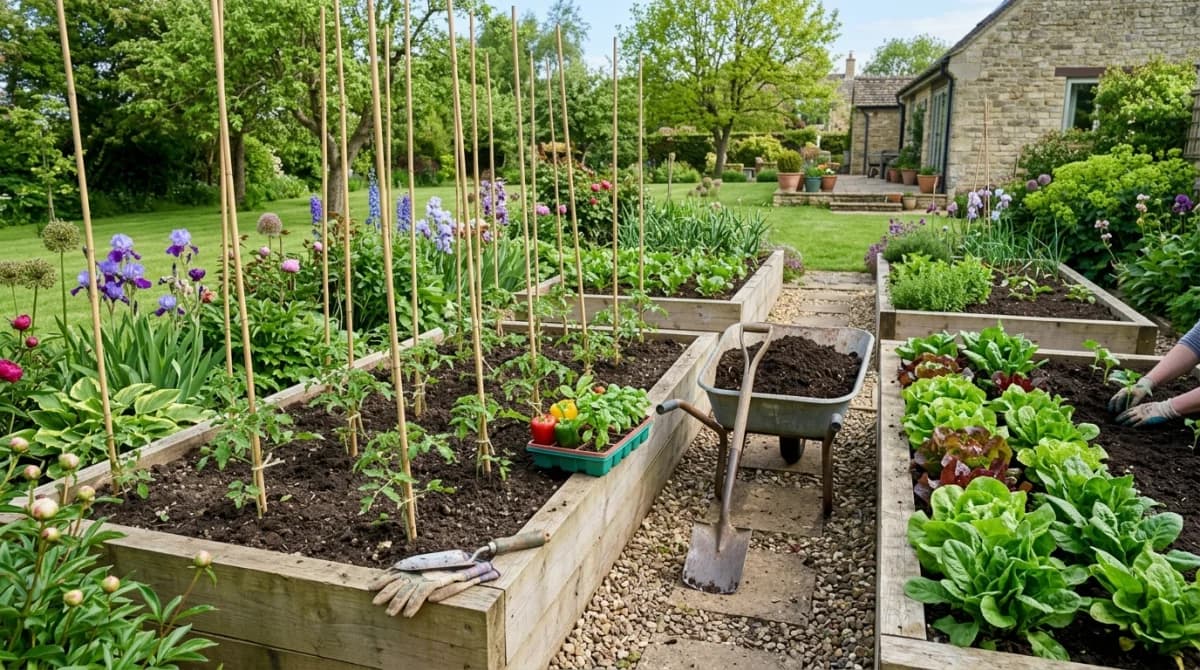
Walk your beds and check that mulch hasn’t washed away or blown off over the winter. Exposed roots during freeze-thaw cycles are vulnerable to heaving and damage. Top up bare spots with 2-4 inches of shredded bark or straw.
Check any plants you wrapped or covered in fall. Burlap-wrapped shrubs, tender perennials with frost cloth, and container plants you moved to protected locations should all be inspected for animal damage, moisture problems, or collapse.
Clean Up Winter Debris
Some gardeners leave seedheads standing for birds through winter (a good practice). January is the time to assess what to keep and what to cut. Anything slimy, moldy, or hosting visible pest eggs should come down. Intact ornamental grasses, dried seedheads of coneflowers, and other sturdy structures can stay a bit longer.
Indoor Gardening and Maintenance
Clean and Sharpen Tools
Sharp tools make cleaner cuts and are far easier to use. Before the season’s first pruning tasks, sharpen your bypass pruners, loppers, and hori-hori with a diamond file or whetstone. Wipe blades with an oiled cloth afterward.
Wash hand tools with soapy water, check wooden handles for cracks, and treat them with linseed oil. Clean clay or soil off trowels and forks before storing.
Check Stored Bulbs and Tubers
Dahlias, cannas, and elephant ears stored in basement or garage conditions through winter need to be checked for rot. Inspect each tuber—soft or mushy spots should be cut out with a clean knife, and the cut dusted with powdered sulfur before returning to storage.
Temperatures should be between 40-55°F: cold enough to stay dormant, warm enough not to freeze. Check that the storage medium (peat, sawdust, paper bags) hasn’t become bone dry.
Refresh Houseplants
Indoor plants have been coping with low light and dry air all winter. As daylight hours begin increasing in January, they’ll start to wake up. Begin or resume regular fertilizing with a balanced diluted liquid fertilizer. Move plants closer to windows to take advantage of the returning light.
Watch for spider mites, which thrive in dry winter air. Yellow stippling on leaves and fine webbing under leaves are giveaways. Treat with insecticidal soap or a strong spray of water.
Looking Forward
The gardener who spends January preparing is always a step ahead of the one who waits for spring. The seeds ordered now will be the ones you want. The plans drawn now will guide better decisions than plans made under the pressure of a warm March day with mud on your boots and a thousand things to do.
Use Gardenly to map out any layout changes you’re planning—seeing your space visually before you start digging makes a real difference in getting the design right from the start.
January is quiet, but it’s not wasted time.
Sources & Further Reading
- January Garden Calendar — Oregon State University Extension
- Starting Seeds Indoors — University of Minnesota Extension
- Seed Starting — University of Wisconsin Horticulture Extension