Your May Garden Checklist: What to Plant, Prune, and Prep This Month
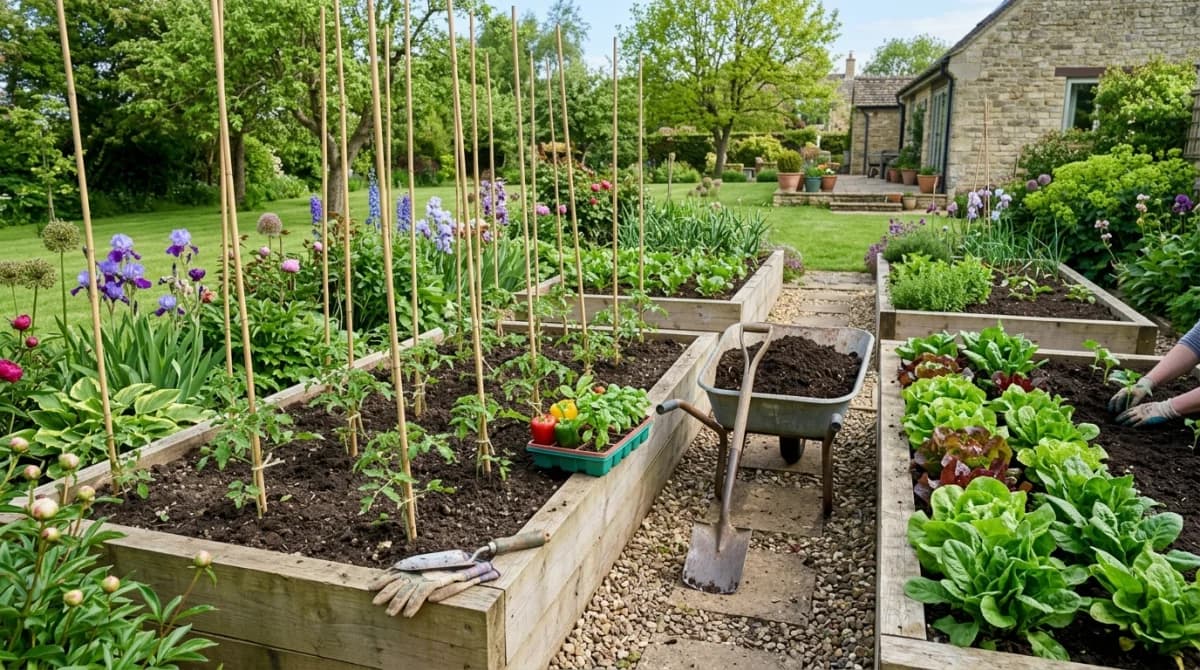
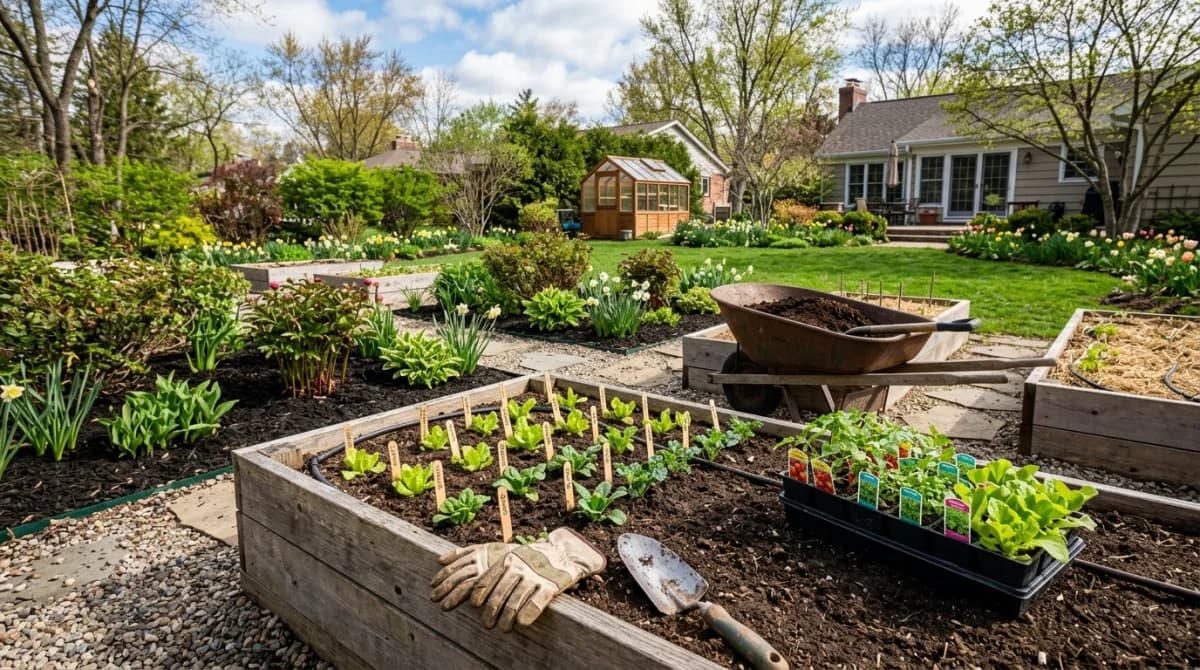
May is the month the garden actually catches up with itself. Frost dates have passed for most of the country, the soil has warmed enough for warm-season crops, perennials are putting on real growth, and the shift from “preparing” to “growing” finally happens. It is also the month where small mistakes — planting too early, skipping the pest check, forgetting to mulch — show up later as a frustrating July.
This checklist works through May task by task so you can pace yourself across the month without dropping anything important.
Plant Out Tender Crops (Zones 5–8)
Once your last frost date has passed by at least a week, the warm-season vegetables can finally go in the ground. Pay attention to soil temperature, not just air temperature — soil that is still below 60°F (15°C) at a 4-inch depth will stunt or rot tender plants no matter how warm the days get.
What to Plant Now
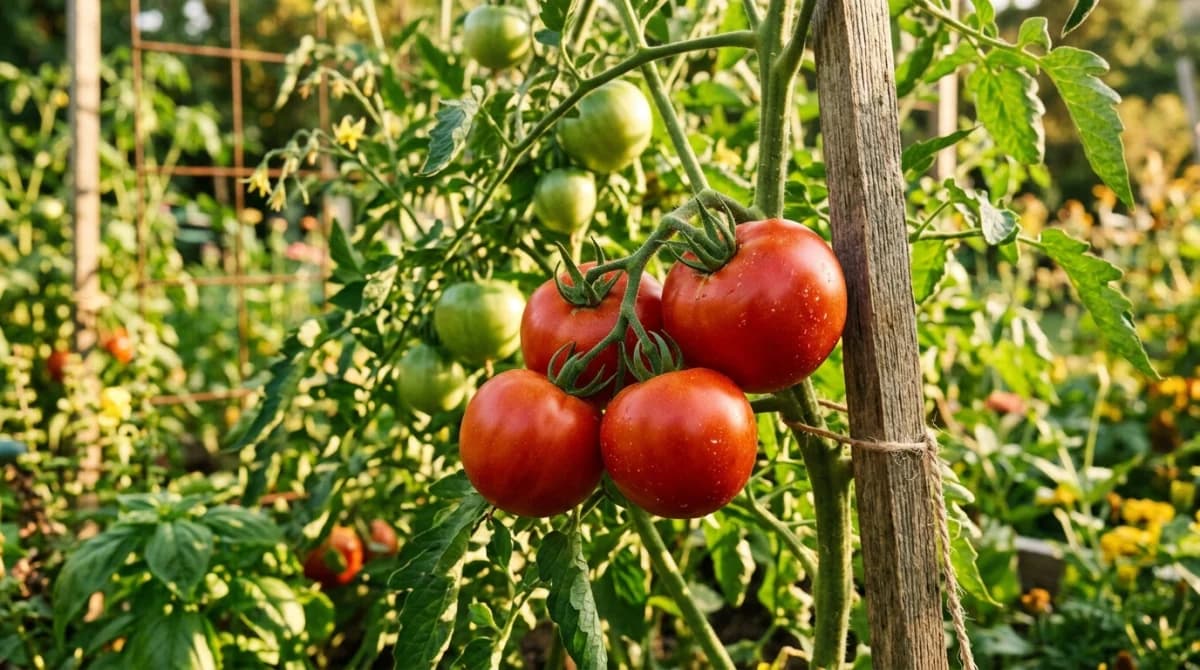
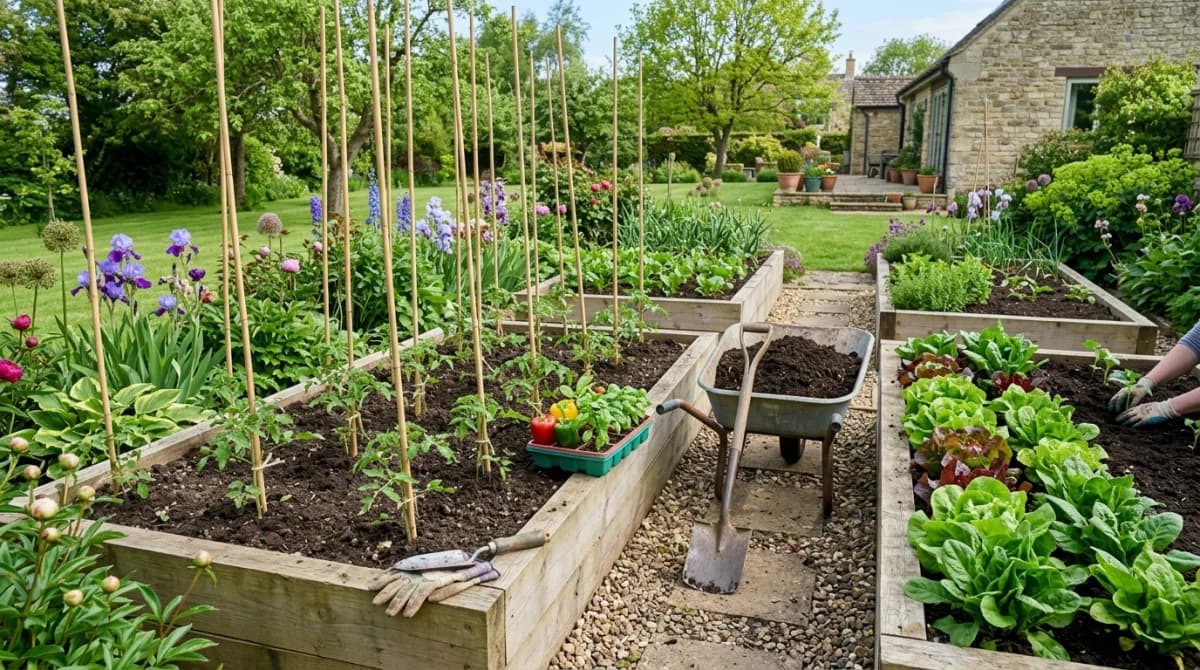
- Tomatoes: Set transplants deeper than they were in their pots, burying the lower leaves. New roots form along the stem, giving you a sturdier plant. Cage or stake at planting — do not wait.
- Peppers and eggplant: These need warmer soil than tomatoes. If May nights are still dipping into the high 40s, hold off another week or use a black plastic mulch to warm the bed.
- Cucumbers, summer squash, and zucchini: Direct sow or transplant after soil is consistently above 65°F. Two or three plants is usually plenty.
- Beans: Direct sow bush and pole beans. Inoculate seeds for better nitrogen fixation, especially in newer beds.
- Basil: Wait until daytime temperatures stay above 70°F. Cold basil sulks for weeks before recovering.
Hold Off On
- Sweet potatoes, melons, okra, and southern peas want truly warm soil. In zones 5–6, wait until late May or early June.
- Pumpkins and winter squash can wait too — planting in June still gives them plenty of time to mature before frost.
Direct Sow Continually
May is the start of succession planting season. The crops that bolt or peak quickly should be sown in small batches every 10 to 14 days rather than all at once.
- Lettuce and salad greens: Switch to heat-tolerant varieties like Jericho, Buttercrunch, or Black-Seeded Simpson. Sow in partial shade as the month warms.
- Radishes: Keep going until daytime temps stay above 75°F.
- Carrots: Sow now for a midsummer harvest. Keep the surface evenly moist for two to three weeks until germination.
- Cilantro and dill: Sow every two weeks — both bolt fast in heat.
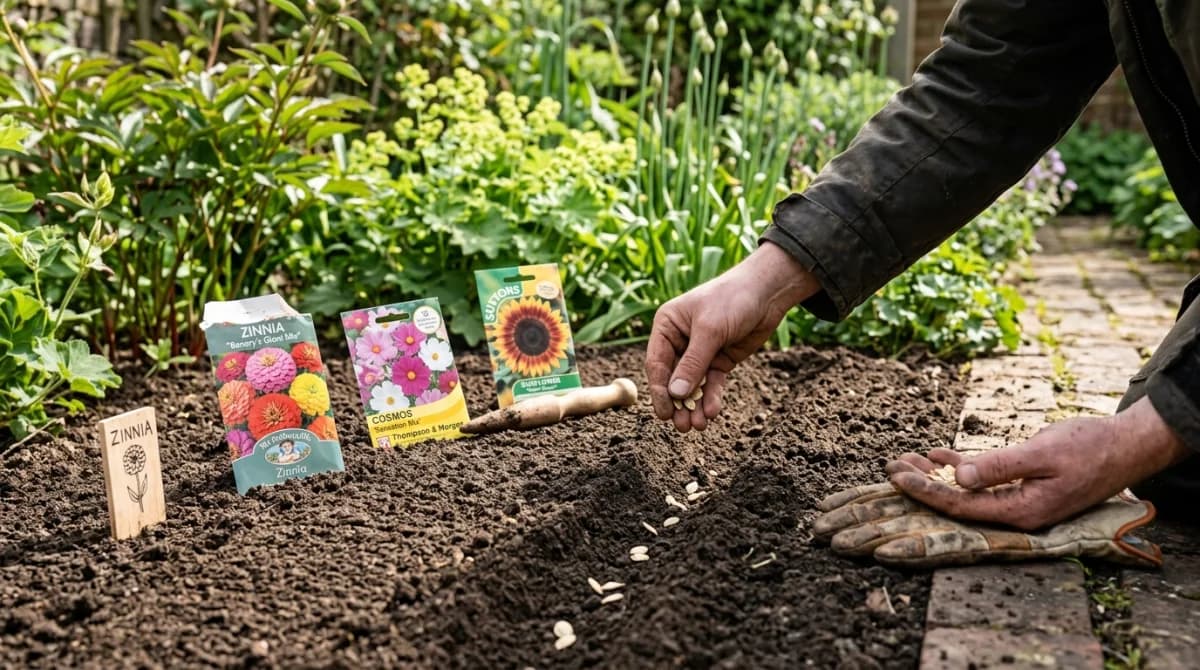
- Sunflowers, zinnias, and cosmos: Direct sow now for summer-long bloom. Make a second sowing in early June for late-season color.
Lawn Care for May
The lawn is in active growth this month, which means it is also the month most homeowners damage their lawn by mowing too short or fertilizing at the wrong time.
- Mow high. Set the deck to 3 to 3.5 inches for cool-season grasses (fescue, bluegrass, ryegrass) and 1.5 to 2.5 inches for warm-season grasses (Bermuda, zoysia). Taller grass shades out weeds and develops deeper roots.
- Fertilize warm-season lawns as they green up, but hold off on cool-season lawns until fall — feeding now pushes weak growth that struggles in summer heat.
- Spot-treat weeds by hand or with targeted sprays. Broadcast applications stress the lawn unnecessarily and harm pollinators visiting clover and dandelion blooms.
- Sharpen the mower blade if you did not at the start of the season. Torn grass tips brown out and invite disease.
Pest and Disease Watch
May is when most garden pests show up for the season. A 10-minute walk through the garden every other morning catches problems while they are still solvable.
- Aphids cluster on new growth — strong jets of water knock them off, and ladybugs handle the rest if you avoid spraying.
- Cabbage worms and loopers hatch as the brassicas hit their stride. Floating row cover is the simplest defense; Bt (Bacillus thuringiensis) is the simplest treatment.
- Slugs and snails thrive in the cool, damp May nights. Hand-pick at dusk, set out beer traps, or use iron phosphate bait around hostas and seedlings.
- Powdery mildew starts showing on squash and bee balm by late May in humid regions. Improve airflow now by thinning crowded plants and avoid overhead watering after midday.
Get Your Watering System Sorted
Plants planted in May will need consistent water through the summer, and the easiest way to fail at that is to plan to “water by hand whenever I remember.” Set up the system now, before things get busy and the heat arrives.
- Drip irrigation on a simple battery timer is the single highest-leverage upgrade for a vegetable garden. A weekend’s work pays off all season.
- Soaker hoses are cheaper and work well for raised beds and ornamental borders. Cover them with mulch to slow evaporation and extend their lifespan.
- Rain barrels belong under every downspout. Even a single 50-gallon barrel covers a few weeks of container watering during a dry spell.
- Mulch beds 2 to 3 inches deep with shredded bark, straw, or leaf mold. Keep the mulch pulled back an inch from plant stems to avoid rot.
Pruning Spring Bloomers
Plants that flower on last year’s wood should be pruned right after they finish blooming, not in fall or winter. Late May is the window for several of these.
- Lilacs: Cut spent flower trusses just above the next pair of leaves. Remove a few of the oldest canes at ground level every year to keep the shrub vigorous.
- Forsythia and weigela: Light shaping after bloom keeps them from turning into a tangle.
- Spring-flowering clematis (Group 1): Tidy up after flowering, removing only dead or weak stems.
- Rhododendrons and azaleas: Deadhead spent blooms and shape lightly. Avoid hard pruning unless absolutely necessary.
Containers and Hanging Baskets
May is the month most gardeners plant out their containers for the season. A few choices now make the difference between containers that look great in June and containers that look exhausted by August.
- Use fresh potting mix or refresh the top third of last year’s mix with new soil and slow-release fertilizer.
- Pick a thriller, filler, spiller for visual interest — a tall focal plant, a mounding mid-layer, and a trailing edge plant.
- Group containers by water need. A pot of succulents next to a pot of impatiens is a recipe for one of them suffering.
- Plan for shade. South-facing terra-cotta dries out in hours during a heat wave. Glazed ceramic and self-watering planters hold moisture much longer.
Take Photos and Notes
The single most useful gardening habit is taking quick weekly photos and jotting down what is blooming, what is struggling, and what gaps you notice in the borders. Future-you will thank present-you when planning next year’s planting.
This is also a great moment to think about the bones of your garden — the layout, the pathways, the focal points. If you are noticing a tired bed or a corner that has never quite worked, May is a fine time to redesign on paper before committing in fall. We built Gardenly for exactly this kind of thinking — upload a photo of your garden, pick a style, and get a realistic AI-generated redesign you can use as a starting point for the changes you want to make this season or next.
The May Mindset
The temptation in May is to do everything at once. Resist it. Pick one bed, one section, one task per day and work through the month at a sustainable pace. The plants you put in now will be living with you until October — a calm May sets up an enjoyable summer instead of a frantic one.