Native Plants for Beginners: Where to Start
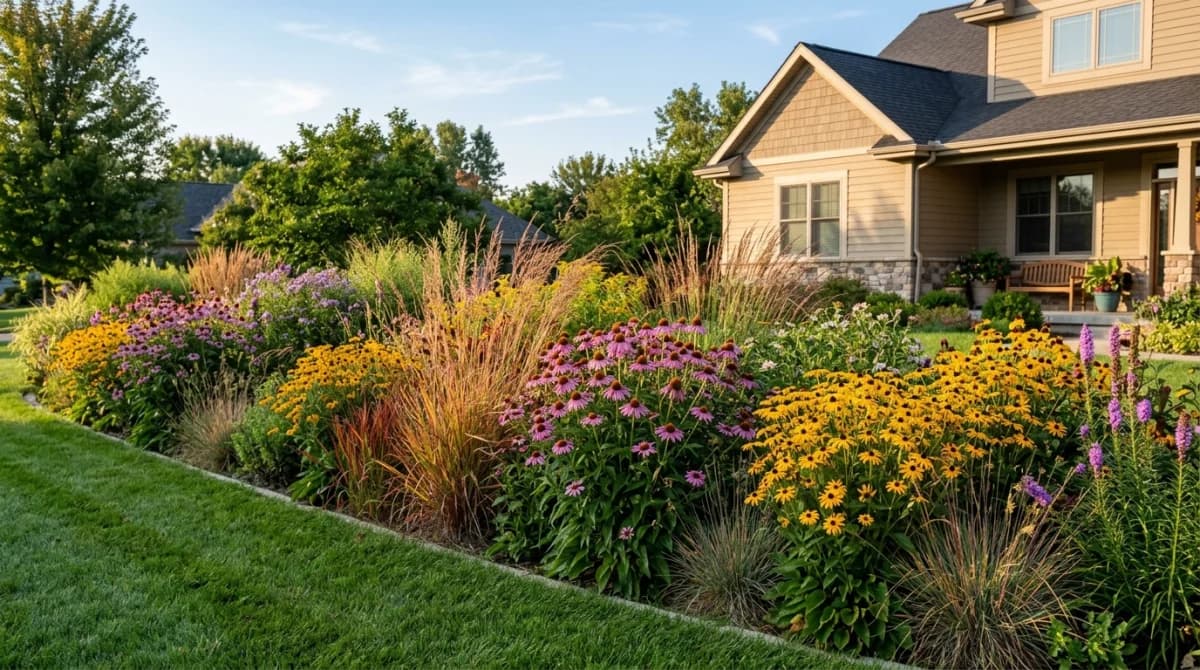
The word “native” in gardening has become loaded with guilt. You should be planting natives. Your lawn should be natives. That Japanese maple is bad and you should feel bad. The message has gotten so preachy that many gardeners tune it out entirely, which is a shame because native plants are genuinely excellent garden plants. Not because of ideology, but because they’re incredibly practical.
A native plant is one that evolved in your region over thousands of years, adapted to your specific climate, soil, rainfall, and seasonal patterns. It doesn’t need supplemental watering once established. It doesn’t need fertilizer because it’s already calibrated for your soil. It supports local wildlife (birds, pollinators, beneficial insects) because they evolved together.
In other words, native plants are low-maintenance plants that look good, support biodiversity, and save you time and money. That’s the practical case, and it’s compelling enough without the lectures.
What “Native” Actually Means
A plant is native to your area if it occurred there before European settlement, without human introduction. This is a geographic distinction, not a quality judgment. A plant native to the tallgrass prairie isn’t native to the Pacific Northwest, even though both are in the United States.
Regional matters. “Native to North America” is too broad to be useful. A plant native to Florida won’t thrive in Minnesota. Look for plants native to your specific ecoregion. The Lady Bird Johnson Wildflower Center’s Native Plant Database and your state’s native plant society are the best resources for identifying what’s genuinely local.
Cultivars of natives (nativars) are selected or bred forms of native species. ‘Magnus’ coneflower is a cultivar of the native Echinacea purpurea. Opinions differ on whether nativars provide the same ecological benefit as straight species. In general, nativars with unchanged flower structure support pollinators well. Nativars with double flowers or dramatically altered shapes may not, because the modifications can block pollinator access to pollen and nectar.
When in doubt, plant the straight species.
Why It Matters Ecologically
Native plants are the foundation of local food webs. Insects evolved to eat specific plants: monarch caterpillars can only eat milkweed, for example. Native bees evolved to pollinate native flowers. Birds depend on the insects that depend on native plants.
Research by Doug Tallamy at the University of Delaware found that native oak trees support over 500 species of caterpillars (which feed birds), while a non-native ginkgo supports roughly five. Native plants aren’t just “nice to have.” They’re the base of the ecological pyramid that everything else depends on.
This doesn’t mean you need to rip out every non-native plant in your garden. Even adding 30 to 50 percent native species to an existing landscape significantly improves habitat value.
The Starter Dozen
These twelve native plants work across a wide range of conditions, are widely available, and are nearly foolproof. All are perennials that return year after year.
Full Sun
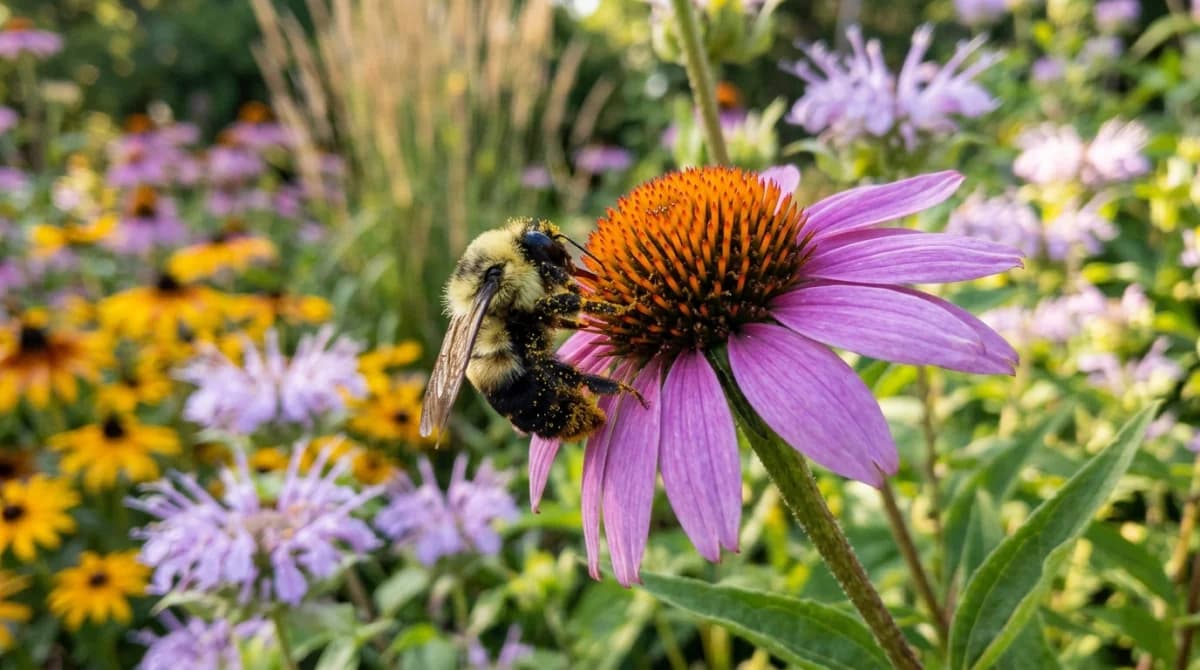
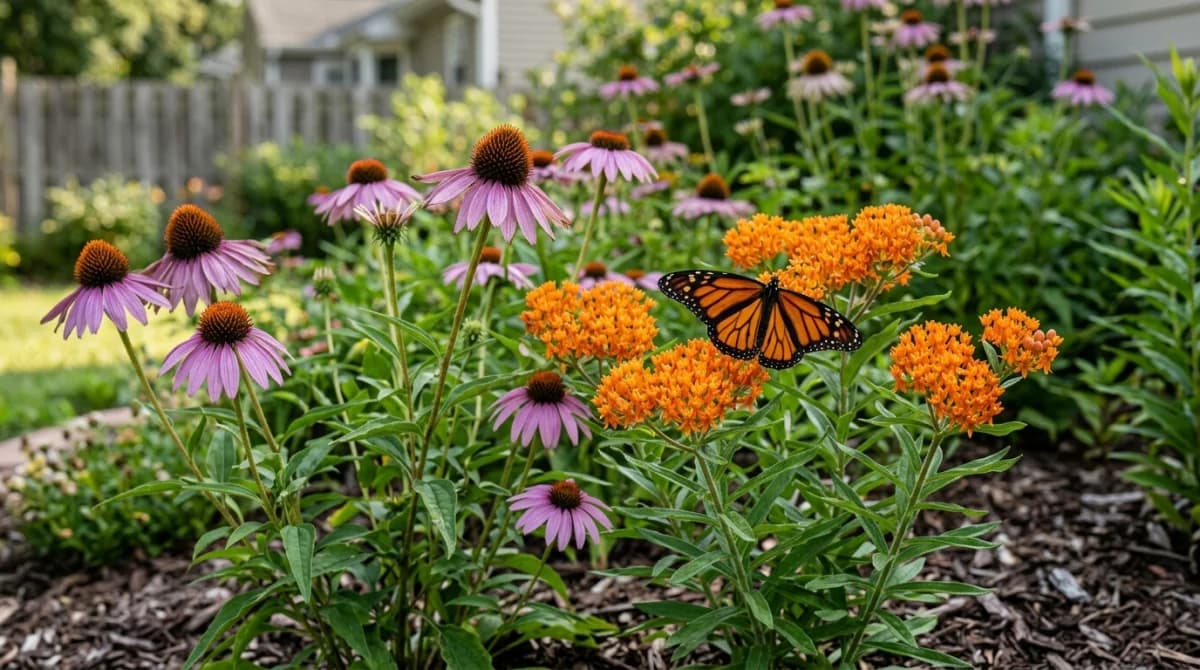
1. Purple coneflower (Echinacea purpurea): The gateway native plant. Pink-purple daisy flowers from June through August. Drought-tolerant, long-lived, feeds pollinators and goldfinches. Zones 3–9.
2. Black-eyed Susan (Rudbeckia fulgida): Masses of golden-yellow flowers from July through September. ‘Goldsturm’ is the workhorse cultivar. Thrives in average to poor soil. Zones 3–9.
3. Butterfly weed (Asclepias tuberosa): Brilliant orange flowers that are magnets for butterflies. A milkweed species essential for monarchs. Needs well-drained soil. Zones 3–9.
4. Little bluestem (Schizachyrium scoparium): A native bunch grass with blue-green summer foliage that turns copper-red in fall. Excellent structure plant. Drought-tolerant. Zones 3–9.
5. Blazing star (Liatris spicata): Spiky purple flower stalks that bloom top-down, which is unusual and eye-catching. Pollinators love it. Zones 3–8.
6. Wild bergamot (Monarda fistulosa): Lavender pom-pom flowers for weeks in summer. Native bee magnet. More mildew-resistant than garden bee balm. Zones 3–9.
Partial Shade
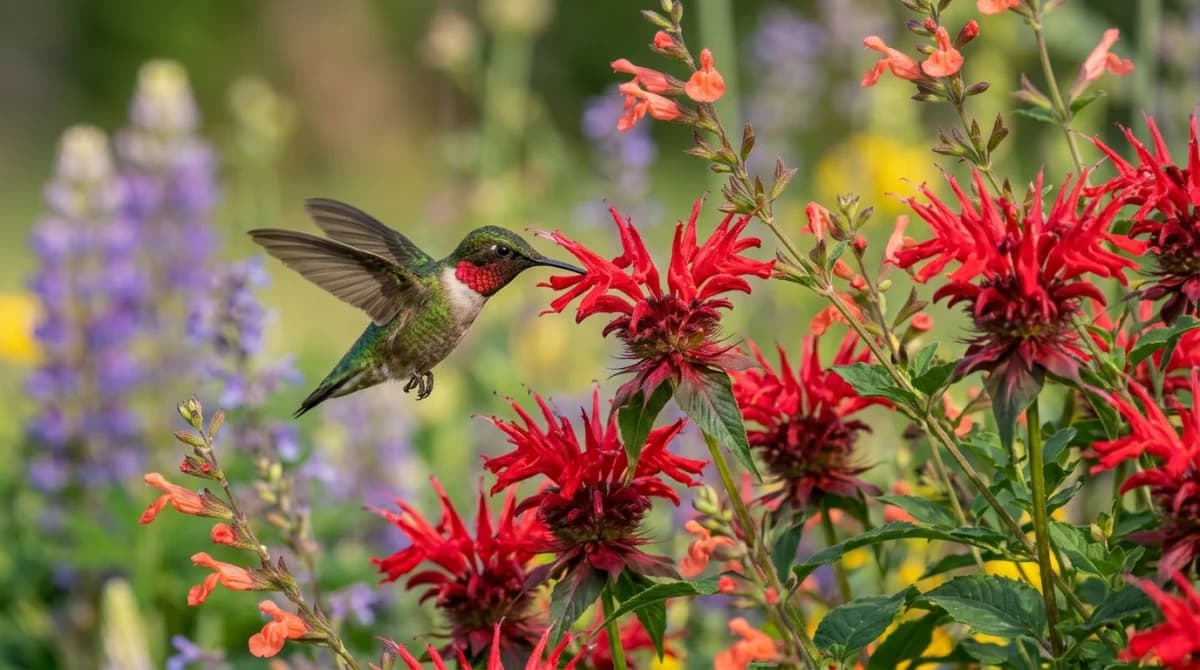
7. Wild columbine (Aquilegia canadensis): Red and yellow nodding flowers in spring. One of the first hummingbird food sources. Self-seeds freely. Zones 3–8.
8. Solomon’s seal (Polygonatum biflorum): Arching stems with small white bell flowers. Elegant woodland plant. Zones 3–9.
9. Wild geranium (Geranium maculatum): Pink flowers in spring, attractive palmate foliage. Reliable shade ground cover. Zones 3–8.
Wet to Average Soil
10. Joe-Pye weed (Eutrochium purpureum): A bold, tall plant (5 to 7 feet) with large dusty-pink flower clusters that butterflies swarm. Zones 3–9.
11. Blue flag iris (Iris versicolor): Purple-blue flowers in early summer. Thrives at pond edges and in rain gardens. Zones 3–7.
Dry Shade (The Hardest Spot)
12. Pennsylvania sedge (Carex pensylvanica): A fine-textured native grass alternative that thrives in dry shade under trees. Stays 8 inches tall, spreads gradually, needs no mowing. Zones 3–8.
How to Mix Natives With Existing Plants
You don’t need a pure native garden. The most practical approach is integrating natives into your existing landscape:
Replace failed plants with natives. When that fussy hydrangea dies or that annual bed gets exhausting, replace it with a tough native that won’t need the same fussing.
Add a native border. Convert a strip of lawn to a native planting bed. Start with 6 to 8 species in groups of three to five.
Use natives as a backbone. Let natives provide the reliable, low-maintenance structure, and use non-natives for seasonal accents and color where you want them.
Start in the back. If you’re worried about what the neighbors will think, start with native plantings in the backyard where you can experiment without judgment.
Where to Buy
Not all sources are equal. Plants from big-box stores labeled “native” may be grown with neonicotinoid pesticides that harm the very pollinators you’re trying to help.
Best sources:
- Local native plant nurseries: They grow plants adapted to your specific region and can advise on what works where.
- Native plant society sales: Most states have a native plant society that holds spring plant sales with locally sourced material.
- Online native plant nurseries: Prairie Nursery, Prairie Moon Nursery, and Izel Native Plants are reputable mail-order sources.
- Seed: Growing natives from seed is the cheapest option. Many native seeds need cold stratification (a period of cold moisture) to germinate, so winter sowing works well.
Avoid: Digging plants from the wild, buying from sellers who don’t confirm the plants are nursery-propagated (not wild-collected), and purchasing “wildflower mix” seed packets that contain non-native species.
Making It Look Like a Garden
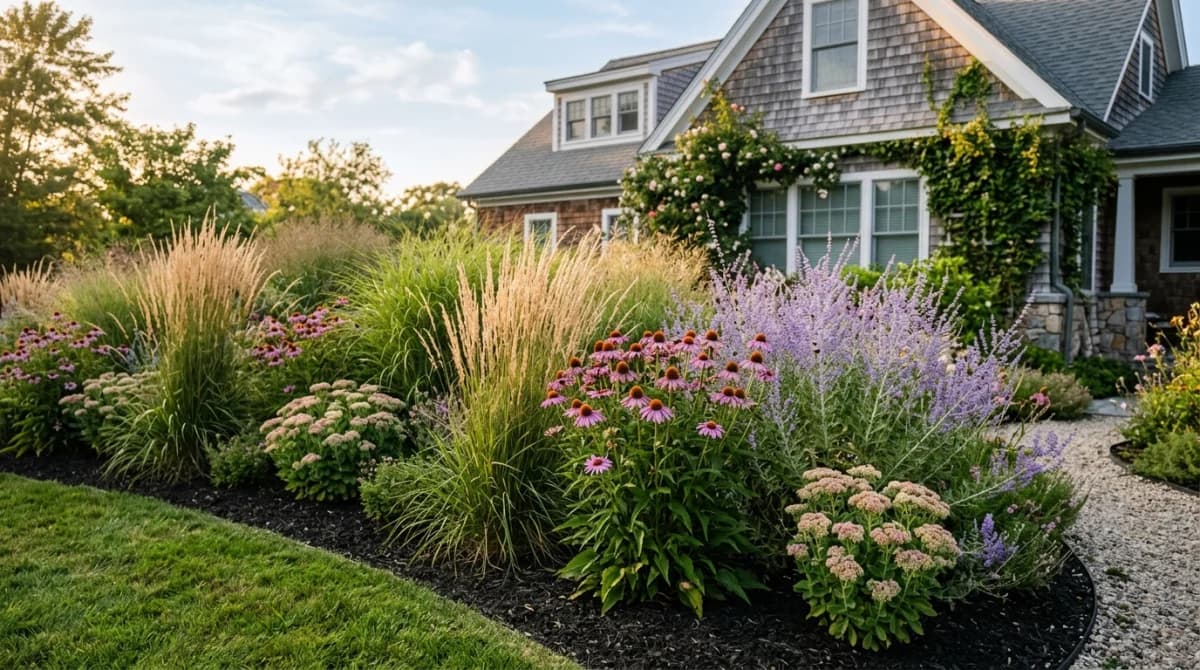
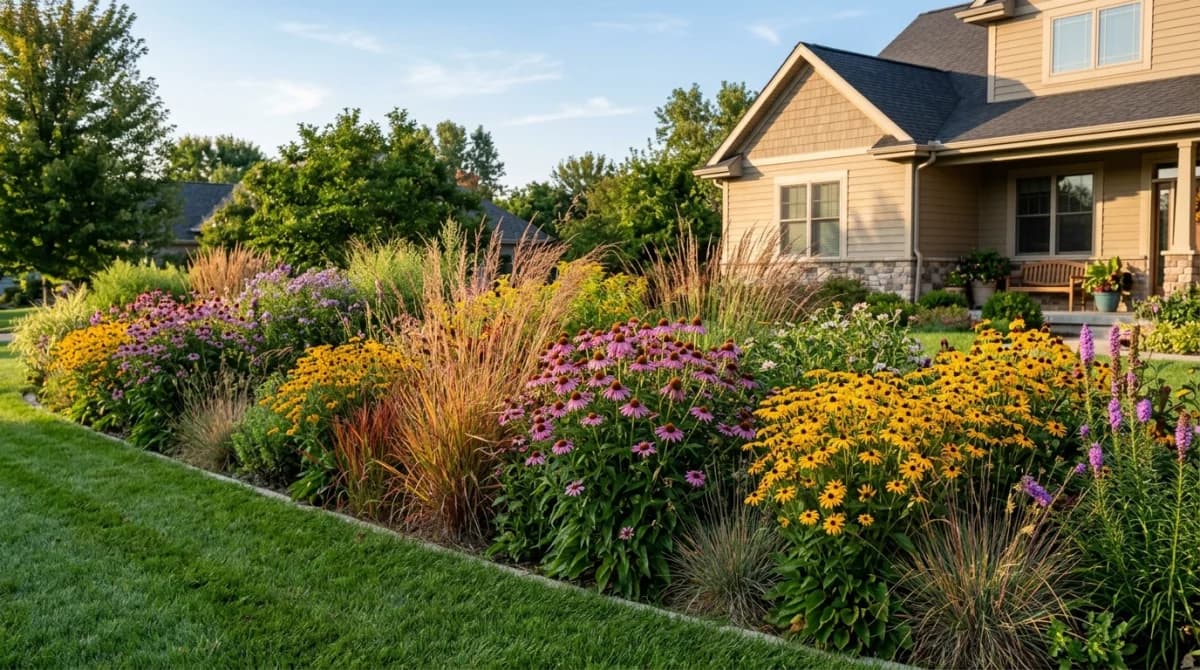
The biggest objection to native plants is aesthetics: “it’ll look like a vacant lot.” This only happens without design.
Apply the same design principles as any garden:
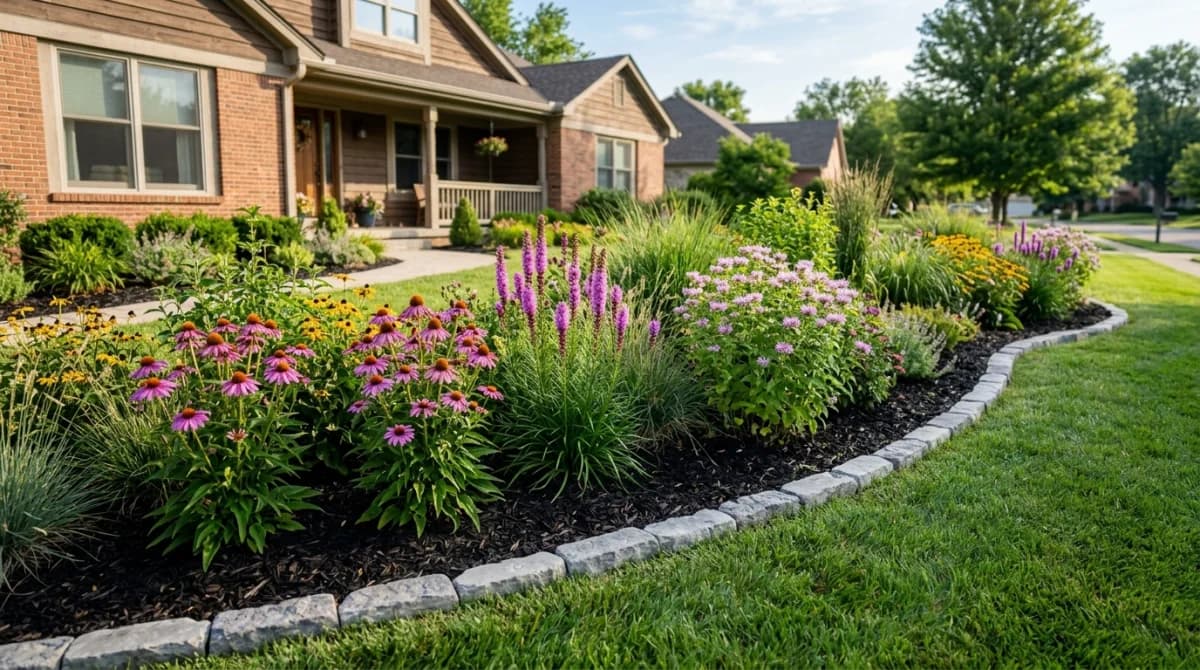
- Define edges with a clean mown strip, stone edging, or a low border of compact natives
- Plant in drifts of three to seven, not one of each
- Layer by height, with low plants in front and tall in back
- Include structure plants (grasses, shrubs) that look good in winter
- Maintain clean mulch between plants while they fill in
A well-designed native garden looks like an intentional, beautiful landscape that happens to support wildlife. If you’re planning a native bed, tools like Gardenly can help you visualize how different native species will look together before you plant, ensuring the result is as beautiful as it is functional.
The best native garden is one you actually plant. Start with three or four species from the starter dozen, put them in the right spot, and see what happens. Once you watch a butterfly land on your first butterfly weed or a goldfinch pull seeds from your coneflower heads, you’ll be hooked.