Plan a Pollinator Paradise Before Spring
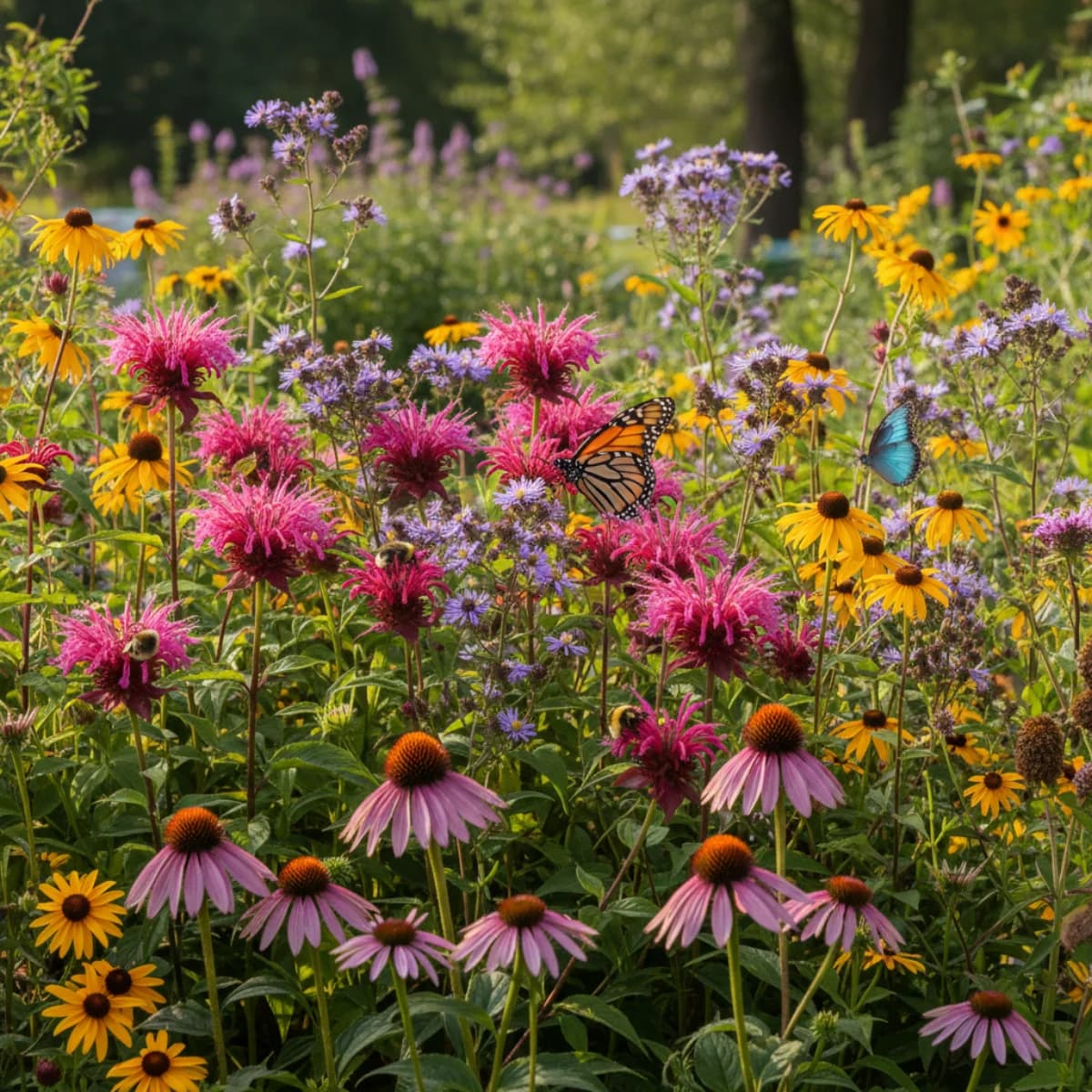
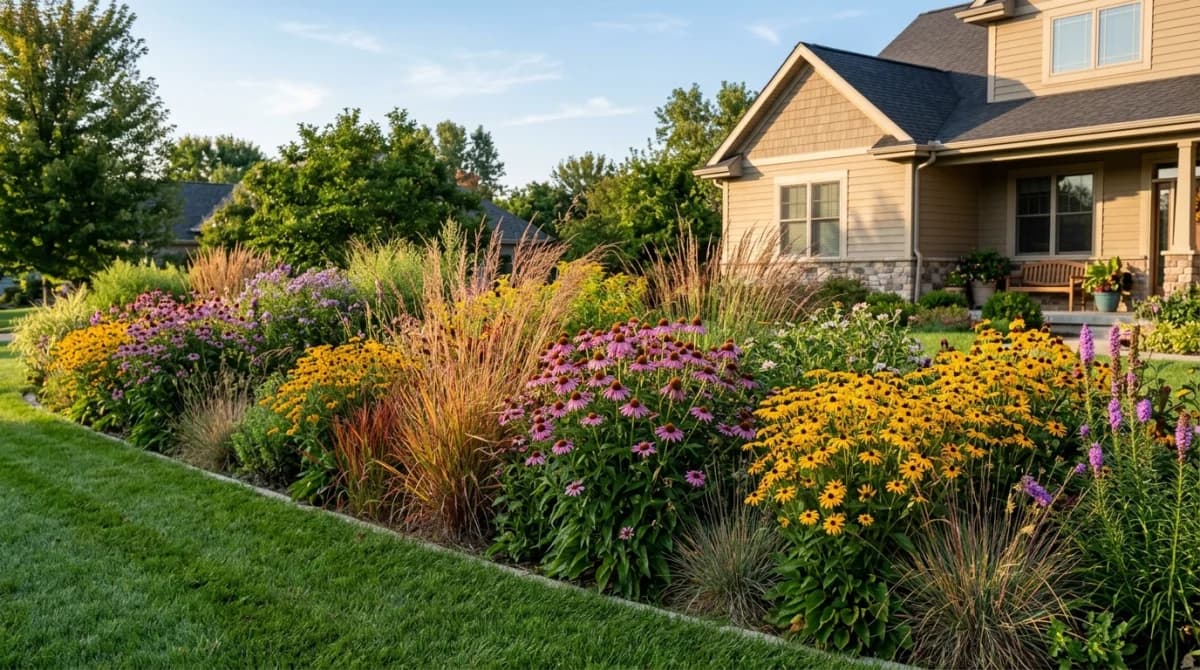
Pollinator gardens have gone from a niche ecological interest to a mainstream garden project, and for good reason. A well-designed planting of pollinator-friendly plants is genuinely beautiful—more interesting and dynamic than a traditional ornamental border—while supporting the insects that underpin food production and ecosystem function.
January is the right time to plan one. Many of the best pollinator plants are grown from seed, and native perennials often need winter sowing for successful germination. Decisions made now determine what’s in the ground by spring.
Why Pollinators Need Help
Pollinator populations—wild bees in particular, but also butterflies, moths, and hoverflies—have declined significantly across North America and Europe. The causes are well-documented: habitat loss, pesticide use, monoculture agriculture, disease, and climate disruption.
Gardens can make a meaningful contribution. In aggregate, residential gardens represent a substantial area of potential habitat. A neighborhood where multiple homeowners plant pollinator-friendly gardens creates connected corridors of food and shelter that sustain local pollinator populations.
The individual impact is real, even if modest. Your garden can support dozens of native bee species, a diversity of butterflies and moths, and countless beneficial insects that also help manage pest populations.
The Principles Behind Pollinator Garden Design
Long Bloom Season
No single plant blooms for the entire season. Pollinators need food (nectar and pollen) from early spring through late fall. A good pollinator garden sequences blooms so that something is always flowering from the first warm days of spring through the last frosts of fall.
Think in three phases:
- Early spring (April-May): First food for emerging queen bumblebees and native bees coming out of overwintering
- Midsummer (June-August): Peak activity, peak demand—needs the widest variety of plants
- Late season (September-October): Critical for migrating monarchs, bees building winter reserves, and insects still active in fall
Plant Diversity
Different pollinators have different preferences. Honeybees and many native bees are generalists. Mining bees, leafcutter bees, mason bees, and many specialist native bees depend on specific plant families. Monarchs and their caterpillars require milkweed exclusively.
Plant diversity supports pollinator diversity. A garden with 30 different plant species supports far more species of pollinator than one with 5 plant species, even if the total mass of flowering is similar.
Aim for at least 3-4 different species per season of bloom, and ideally include plants from multiple families: composites (daisy family), mints, legumes, and umbellifers (carrot family).
Native Plants When Possible
Native plants and native pollinators have co-evolved. Native bees often depend on specific plant families for nesting materials and larval food. Native butterflies often require specific native host plants for their caterpillars—monarch caterpillars eat only milkweed; many specialized butterflies require specific native trees or shrubs.
This doesn’t mean non-native plants have no value—many are excellent nectar sources. But a garden that includes a strong proportion of native species provides deeper ecological function than one planted entirely with introduced plants.
Avoid Hybridized Doubles
Heavily hybridized flowers with doubled petals often have reduced nectar and pollen compared to single-flowered forms. Double-flowered dahlias, fully double roses, and dense double marigolds offer little to pollinators. Choose single-flowered varieties.
Reduce Pesticide Use
Even “safe” pesticides can harm pollinators. Systemic pesticides (neonicotinoids in particular) translocate into nectar and pollen and harm bees at sub-lethal doses. If you’re establishing a pollinator garden, commit to avoiding systemic pesticides.
Pest management in a diverse pollinator garden is often less necessary anyway—a diversity of beneficial insects develops that keeps pest populations in check.
The Best Pollinator Plants by Season
Early Season (April-May)
Hellebores: Among the very first flowers of the year; excellent early pollen source for emerging bumblebees.
Pulmonaria (lungwort): Early spring, tubular flowers in blue, pink, and white; loved by bumblebees.
Corydalis lutea: Small yellow flowers for months in early spring; excellent for bees.
Alliums: Flowering in May-June; the spherical heads of ornamental alliums are covered in pollinators.
Crabapples and flowering cherries: Spring-flowering trees are important early pollen sources for bees.
Midsummer (June-August)
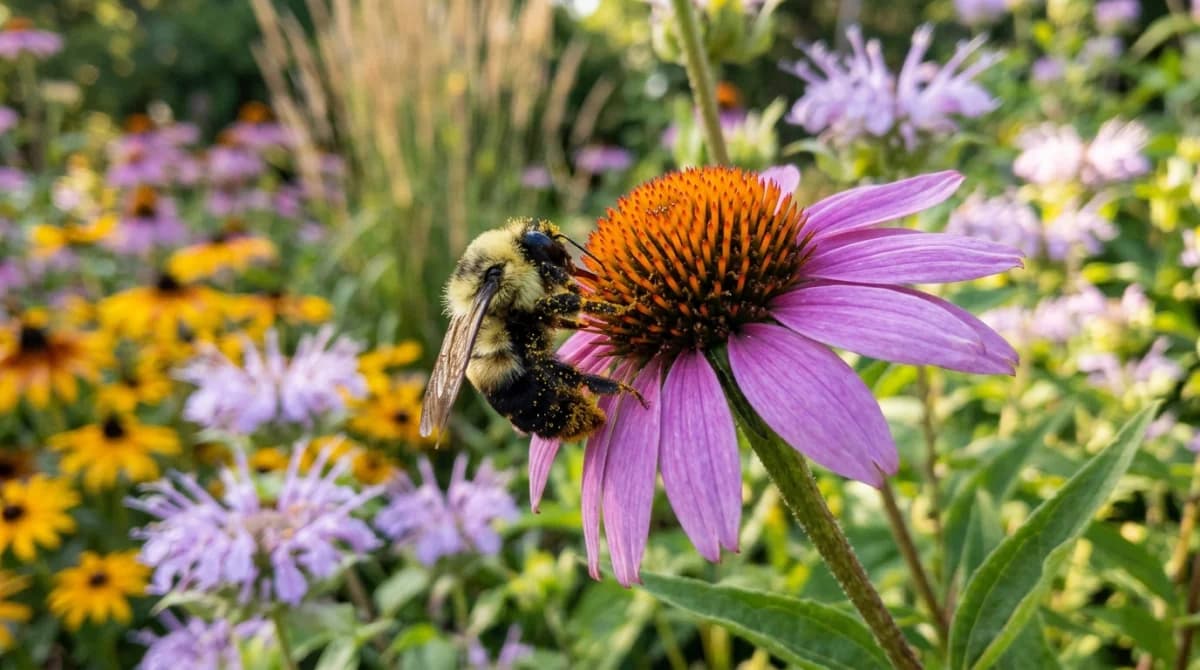
Echinacea (coneflowers): Native to North American prairies; extremely valuable for bees, butterflies, and later, birds eating the seeds.
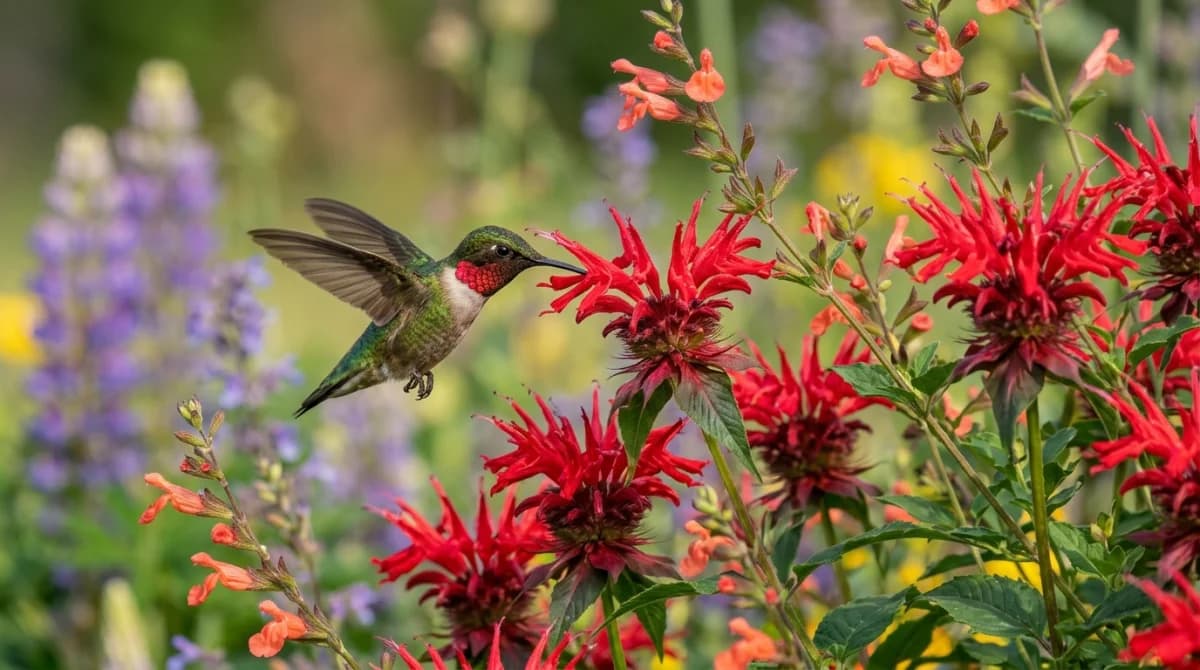
Monarda (bee balm): Native, tubular red or purple flowers specifically shaped for bumblebees and hummingbirds. Also excellent for butterflies.
Asclepias (milkweed): Essential monarch butterfly host plant. Swamp milkweed (A. incarnata) and butterfly weed (A. tuberosa) are the most widely adaptable natives.
Salvia nemorosa and hybrids: Extremely nectar-rich; visited constantly by bees and butterflies. Long-blooming from May through September.
Verbena bonariensis: Tall, airy purple flowers from midsummer through frost; exceptional for butterflies including monarchs.
Lavender: Intensely attractive to bees; the combination of nectar, pollen, and fragrant oils seems irresistible.
Phlox paniculata: Native species and cultivars both support butterflies and long-tongued bees.
Late Season (September-October)
Asters (Symphyotrichum spp.): Native asters are among the most ecologically critical fall flowers—they support over 100 species of specialist native bees, many of which time their life cycle to aster bloom.
Goldenrod (Solidago): Often unfairly blamed for hay fever (it’s actually ragweed, which blooms simultaneously). Goldenrod is one of the richest pollen sources of fall and supports enormous pollinator diversity.
Rudbeckia (black-eyed Susan): Late-blooming types like R. triloba continue into fall; excellent for late-season bees and the seeds feed birds.
Joe Pye weed (Eutrochium): Tall, majestic native with large, domed pink flower heads; beloved by monarchs and native bees in August-September.
Planning Your Planting
For a first pollinator garden, a 10-15 square foot area with 6-8 species can make a meaningful impact. Scale up as much as you can—more is always better.
Consider:
- Where is the sunniest, most accessible area? Most pollinator plants prefer full sun.
- What’s the natural soil type? Many native plants prefer lean, well-drained soil over rich amended beds.
- What’s your budget? Many pollinator plants can be grown from seed inexpensively.
January seed starting candidates (perennials benefiting from winter sowing): echinacea, rudbeckia, monarda, asclepias. These need stratification to germinate well—winter sowing outdoors provides natural cold stratification.
Order seeds and plants now: Specialist native plant nurseries (Prairie Moon Nursery, Prairie Nursery, and regional native plant societies) have the best selection of true native species and may sell out early.
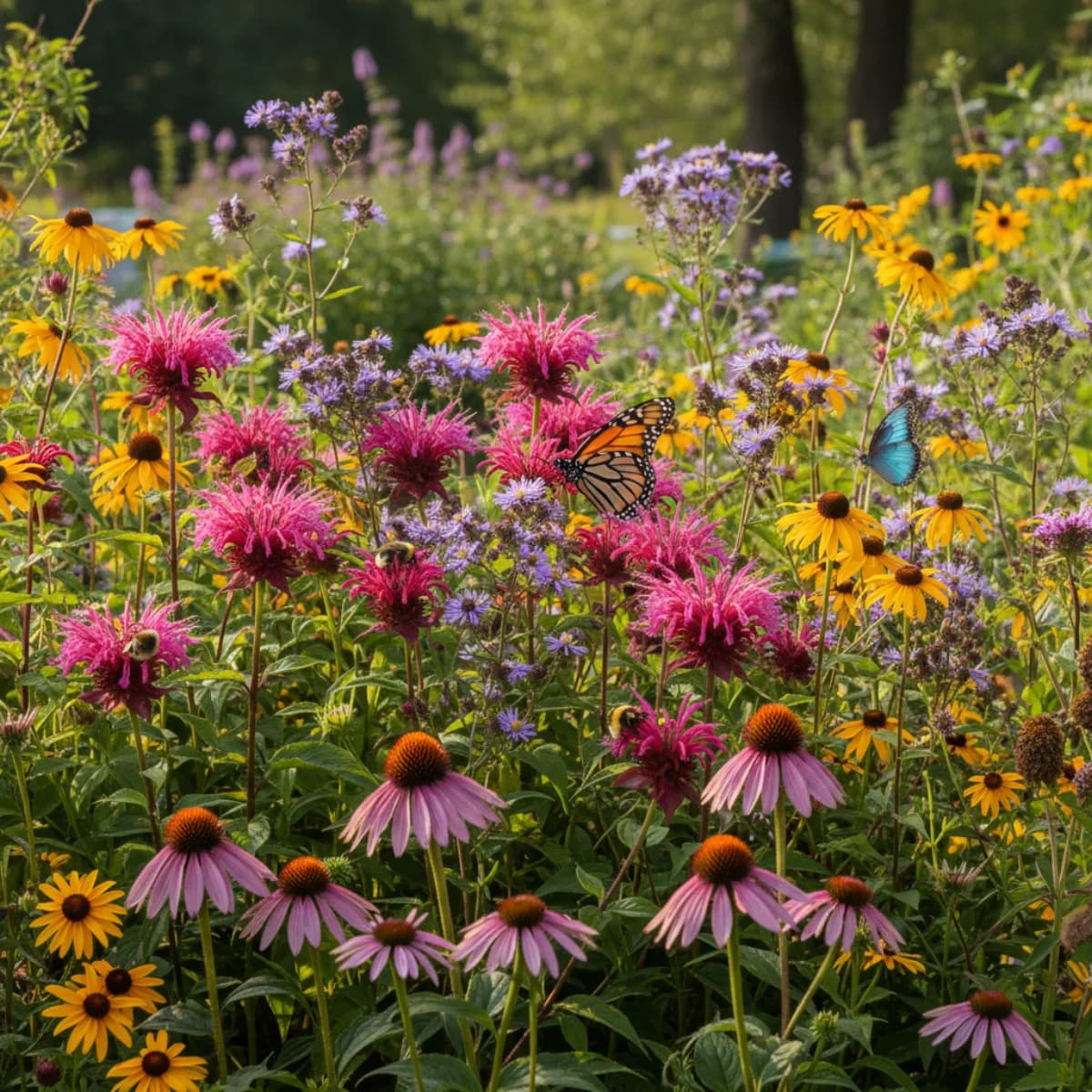
The monarchs will find it. So will the bumblebees. A pollinator garden pays ecological dividends every season.
Sources & Further Reading
- How to build a pollinator garden — U.S. Fish & Wildlife Service
- Threats to pollinators — U.S. Fish & Wildlife Service
- Create a home landscape for pollinators: Butterflies, bees and hummingbirds — Oregon State University Extension Service
- Pollinator-Friendly Native Plant Lists — Xerces Society for Invertebrate Conservation