Harvest Something Every Week: The Complete Guide to Succession Planting
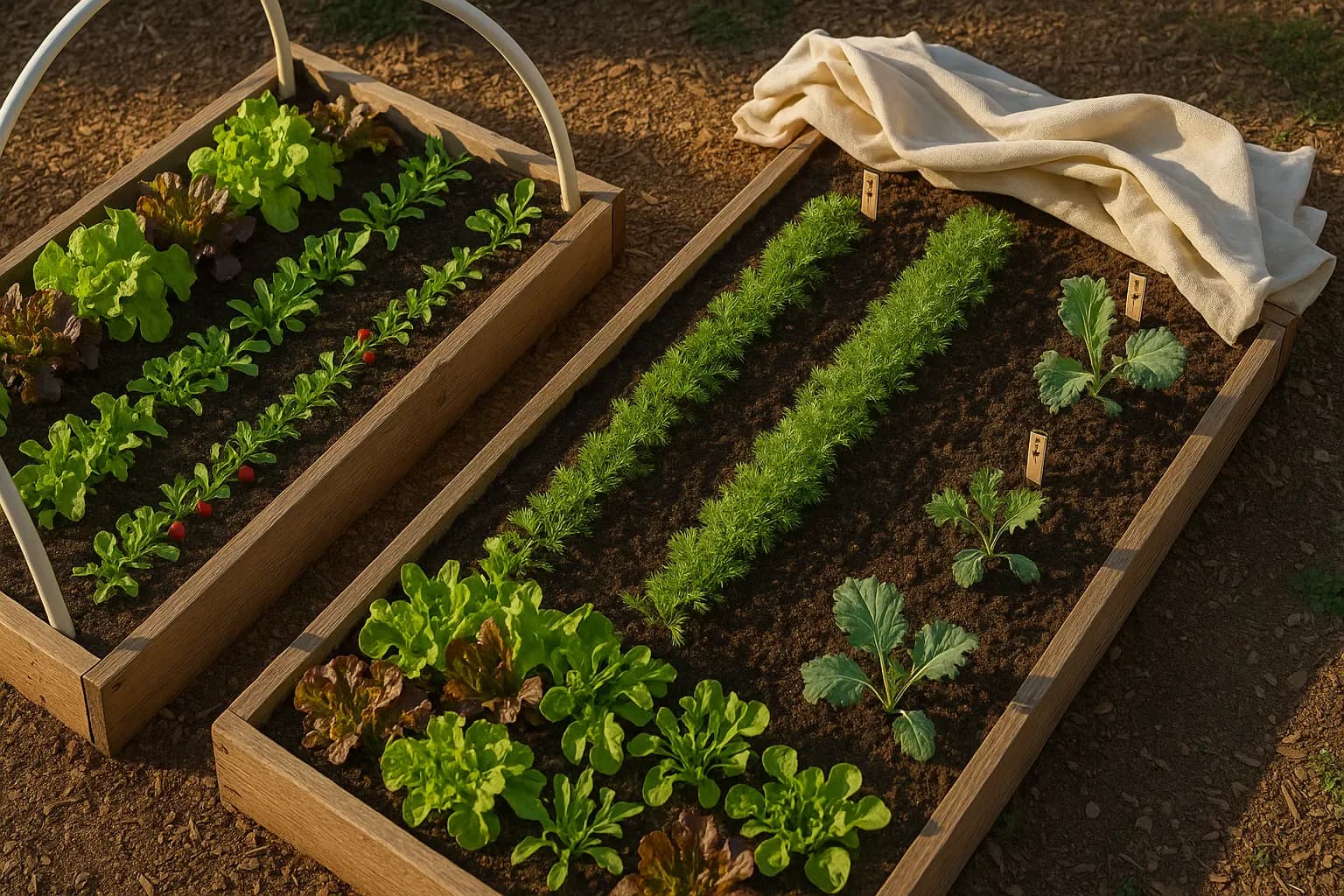
There’s nothing quite like the satisfaction of harvesting fresh vegetables from your garden every week throughout the growing season. Yet many gardeners experience the feast-or-famine cycle where everything ripens at once, followed by weeks of sparse harvests. The solution lies in succession planting—a strategic approach that staggers plantings to ensure continuous production of fresh vegetables from spring through fall.
Succession planting transforms your garden from a single-harvest operation into a steady production system. Instead of planting all your lettuce seeds on one day and harvesting everything within a two-week window, you plant small amounts every 10-14 days, creating a conveyor belt of fresh greens that extends your harvest by months rather than weeks.
This technique works for far more than just salad greens. Beans, corn, carrots, radishes, and many herbs benefit tremendously from succession planting. The key lies in understanding each crop’s growth cycle, planning your timing carefully, and matching your planting schedule to your family’s consumption patterns.
Understanding Succession Planting Fundamentals
What Makes a Good Succession Crop
Fast-maturing vegetables work best for succession planting because they complete their growth cycle quickly, allowing multiple plantings within a season. Radishes (25-30 days), lettuce (45-60 days), and bush beans (50-60 days) are ideal candidates.
Crops with short harvest windows benefit most from succession planning. Corn stays fresh for only a few days after peak ripeness, making it perfect for staggered plantings that extend the sweet corn season over months rather than weeks.
Cut-and-come-again varieties provide the ultimate succession harvest—you can harvest outer leaves while the center continues producing. Swiss chard, kale, and loose-leaf lettuce fall into this category.
Space-efficient plants allow you to maximize succession plantings in limited garden space. Compact varieties and vertical growing options let you fit more succession crops into smaller areas.
Timing Calculations and Planning
Days to maturity information on seed packets provides your baseline for succession planning. Add 7-14 days to account for seasonal variations and harvest window preferences.
Regional growing season length determines how many succession plantings are possible. Count backward from your first fall frost date to identify the last practical planting date for each crop.
Soil temperature requirements affect germination timing for succession plantings. Cool-season crops like lettuce may struggle in mid-summer heat, requiring modified approaches or season extension techniques.
Harvest window duration varies by crop and variety. Bush beans produce for 2-3 weeks, while determinate tomatoes concentrate their harvest over 4-6 weeks, influencing succession timing strategies.
Crop-Specific Succession Strategies
Leafy Greens: The Perfect Succession Crops
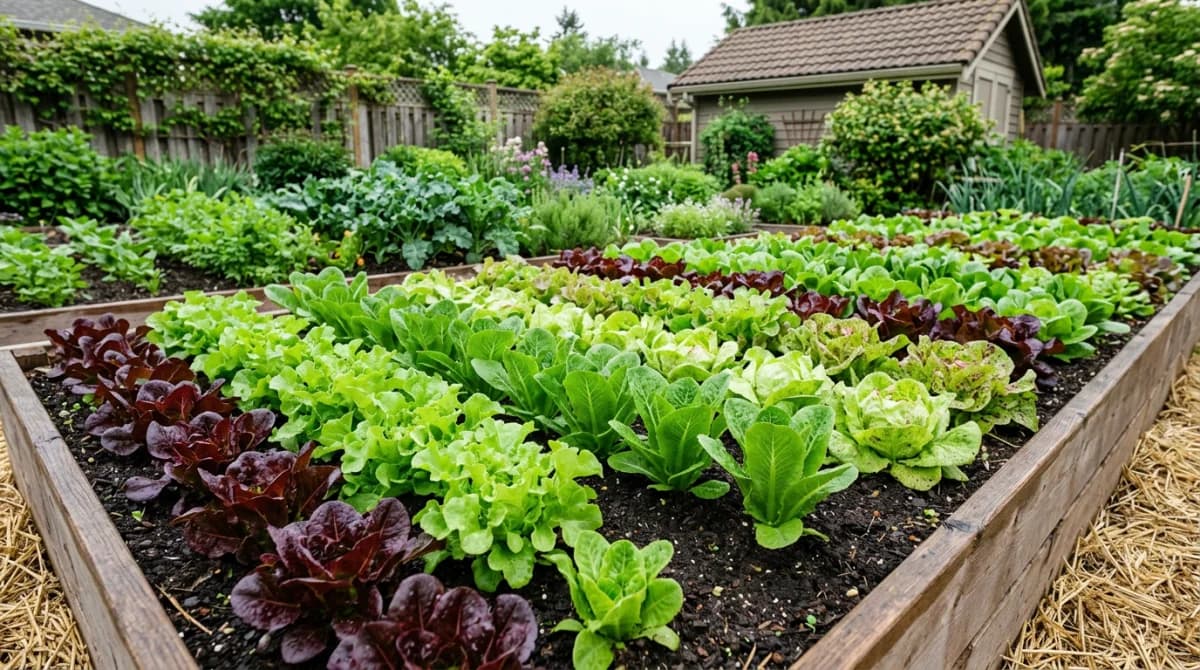
Lettuce succession works best with 10-14 day intervals between plantings. Start 4-6 weeks before your last spring frost and continue through early summer, then resume in late summer for fall harvests.
Spinach timing requires attention to temperature sensitivity. Plant every 10 days in cool weather, skip the hottest summer months, and resume heavy succession plantings in late summer for abundant fall harvests.
Arugula and mizuna mature quickly (21-30 days) and tolerate heat better than lettuce, making them excellent bridge crops for mid-summer succession plantings when other greens struggle.
Asian greens like bok choy and tatsoi offer heat tolerance and quick maturity, perfect for filling succession gaps when traditional greens bolt or decline in summer heat.
Root Vegetables: Steady Underground Production
Radish succession every 7-10 days provides constant harvests throughout cool seasons. Different varieties mature at different rates, allowing you to plant multiple types simultaneously for extended harvest periods.
Carrot succession requires longer intervals (3-4 weeks) due to slower maturity, but provides steady harvests through fall and winter in many climates. Plant baby carrot varieties for quicker succession cycles.
Beets succession works well with 2-3 week intervals, and you can harvest both baby greens and mature roots for dual-purpose productivity from each succession planting.
Turnips and rutabagas provide both greens and roots, with succession plantings every 3-4 weeks ensuring continuous harvests of tender greens while roots develop for later harvest.
Beans: The Succession Superstar
Bush bean succession every 2-3 weeks provides continuous fresh beans throughout the growing season. Each planting produces for 2-3 weeks, creating overlapping harvest periods.
Different varieties mature at different rates—plant early, mid-season, and late varieties simultaneously for extended harvests from a single planting date, then repeat the sequence.
Pole beans produce continuously once established, but succession plantings every 4-6 weeks ensure backup plants and extended late-season harvests when early plantings decline.
Specialty beans like purple-podded or yellow wax varieties add visual interest while following the same succession principles as standard green beans.
Corn: Timing for Sweet Success
Sweet corn succession requires careful attention to variety selection and timing. Plant every 2-3 weeks using varieties with different maturity dates to extend harvest windows.
Block planting considerations for proper pollination mean each succession planting should include enough plants for good kernel development—typically minimum 12-16 plants per block.
Heat unit calculations help predict corn maturity more accurately than calendar dates, especially important for late-season succession plantings that must mature before frost.
Bicolor and different varieties can be succession planted simultaneously to provide variety in harvest timing and kernel characteristics.
Seasonal Succession Planning
Spring Succession Strategies
Cold frame starts allow earlier succession plantings of cool-season crops, extending the growing season and providing more succession opportunities.
Soil preparation for spring succession requires planning beds that can accommodate multiple plantings. Prepare extra space and improve soil for intensive succession planting.
Weather monitoring becomes crucial for spring succession timing. Soil temperature and weather forecasts help optimize planting dates for each succession.
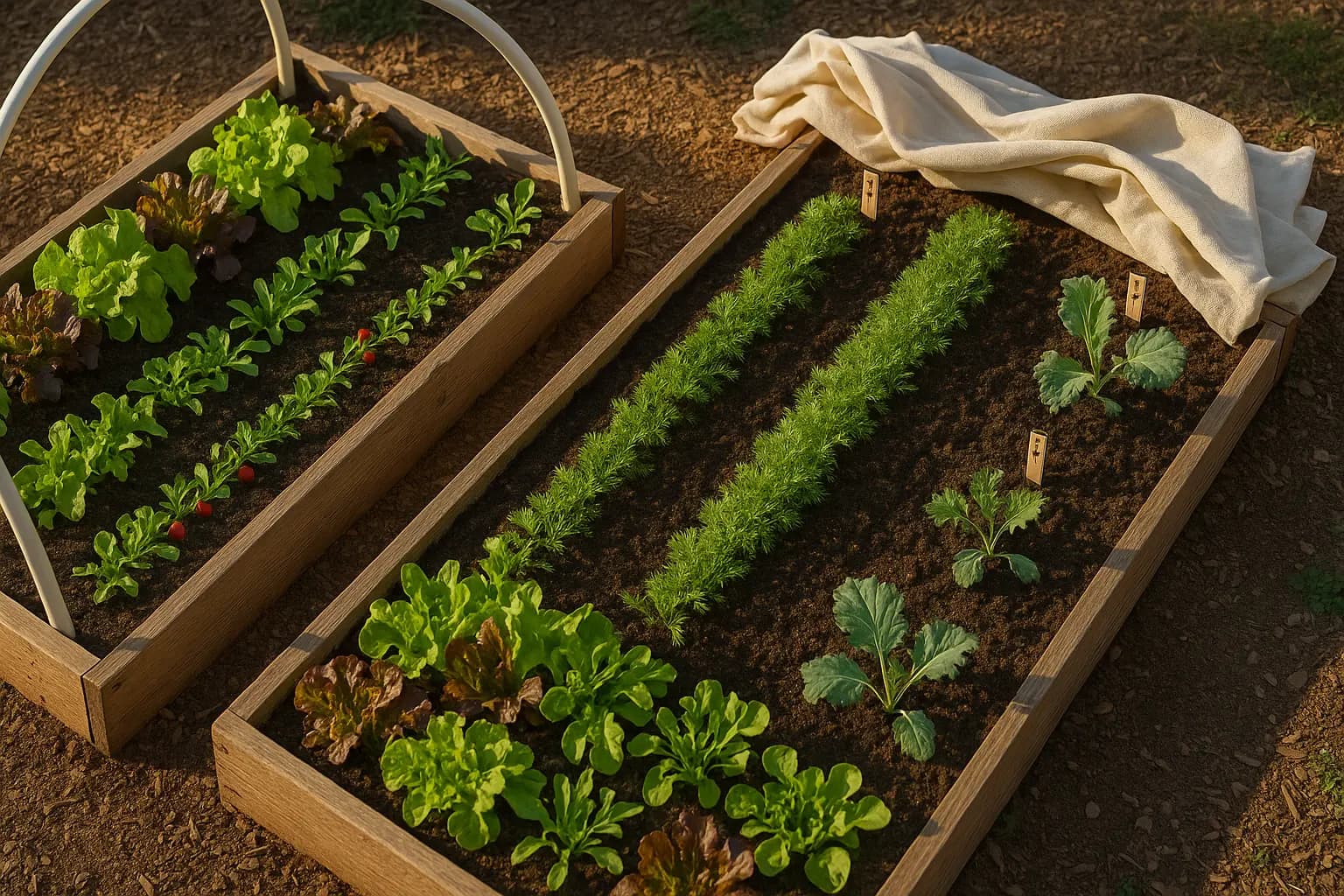
Protection strategies like row covers or cloches allow succession plantings to continue despite late spring weather variability.
Summer Succession Management
Heat tolerance becomes the limiting factor for summer succession plantings. Focus on heat-tolerant varieties and provide afternoon shade for cool-season succession crops.
Irrigation requirements increase significantly for summer succession plantings. Ensure adequate water access and consider drip irrigation for consistent moisture.
Soil temperature management through mulching helps moderate soil temperatures for heat-sensitive succession crops during hot weather.
Timing adjustments may require shorter intervals between plantings during peak growing season when plants develop more rapidly.
Fall Succession Excellence
Frost date calculations determine the latest practical planting dates for fall succession crops. Count backward from average first frost to plan final succession plantings.
Extended season techniques like row covers, cold frames, or unheated greenhouses allow succession planting to continue well into fall and winter.
Cool-season revival brings back crops that struggled in summer heat. Lettuce, spinach, and peas often perform better in fall than spring.
Storage crop succession includes vegetables like winter radishes, storage carrots, and late cabbage that can be succession planted for winter storage harvest.
Space Management for Succession Planting
Vertical Growing Solutions
Tiered planting uses different levels in the same space—tall crops provide shade for succession plantings of heat-sensitive crops below.
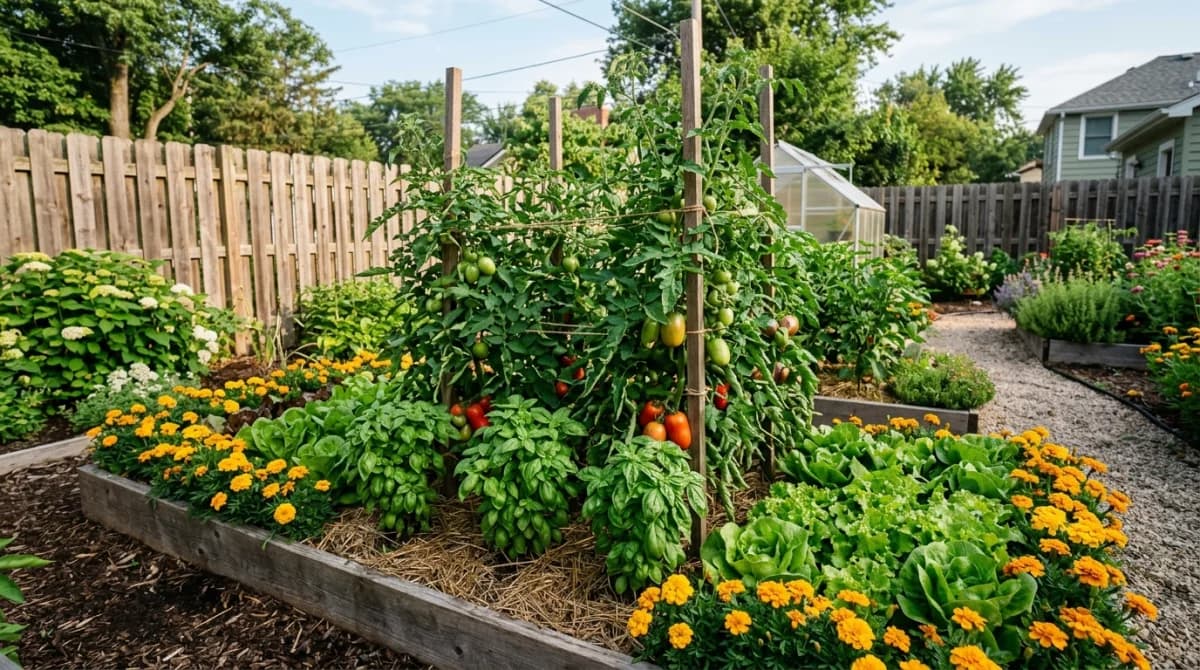
Succession trellising involves planting pole beans or peas every few weeks on different trellis sections, maximizing vertical space while providing continuous harvests.
Container succession allows succession planting in limited space using multiple containers planted at different times.
Interplanting strategies place quick-succession crops between slower-growing plants, maximizing space efficiency while providing continuous harvests.
Rotation Integration
Succession within rotation plans succession plantings to move through different garden beds as part of larger crop rotation systems.
Family grouping keeps related succession crops together in rotation blocks, simplifying pest and disease management while maintaining succession harvests.
Soil preparation timing coordinates succession planting with soil amendment and preparation schedules for each rotation section.
Companion planting integrates beneficial plant combinations with succession timing to maximize garden productivity and pest management.
Tools and Systems for Succession Success
Planning and Tracking Methods
Succession planting calendars help track planting dates, expected harvest windows, and next planting reminders for each crop.
Garden mapping shows which beds contain which succession plantings, helping manage space and timing effectively.
Harvest tracking records actual production from succession plantings, helping refine timing and quantities for future seasons.
Weather logging correlates succession planting success with weather patterns, improving future timing decisions.
Seed Starting Systems
Multiple seeding flats allow starting succession plantings indoors on staggered schedules, ensuring transplants are ready when outdoor conditions permit.
Soil block makers create uniform plantings for succession crops, simplifying transplanting and spacing for successive beds.
Germination testing ensures seed viability for succession plantings, especially important for older seeds or home-saved varieties.
Transplant hardening systems help succession plantings adapt to outdoor conditions, improving establishment success for each successive planting.
Harvest Management and Storage
Succession Harvest Timing
Optimal harvest windows vary by crop and season. Learn to recognize peak harvest timing for each succession planting to maximize quality and shelf life.
Harvest frequency affects plant productivity—regular harvesting encourages continued production from succession plantings.
Quality assessment helps determine when succession crops have peaked and when it’s time to transition to the next succession planting.
Succession overlap management prevents waste when multiple succession plantings reach harvest simultaneously.
Processing and Preservation
Small batch processing works well with succession harvests, allowing preservation of peak-quality produce in manageable quantities.
Preservation method rotation uses different preservation techniques for succession harvests—fresh eating, freezing, dehydrating, or fermentation.
Storage optimization maximizes freshness from succession harvests through proper post-harvest handling and storage techniques.
Value-added processing transforms surplus succession harvests into products like pesto, salsa, or pickles that extend shelf life and add variety.
Troubleshooting Common Succession Challenges
Timing Issues
Weather delays can disrupt succession planting schedules. Build flexibility into timing and have backup plans for weather-related delays.
Maturity variations between plantings may result from changing seasonal conditions. Adjust expectations and timing for successive plantings.
Harvest gaps occur when succession timing is off. Learn from gaps to improve future succession planning and timing.
Overwhelming harvests happen when succession timing produces too much at once. Adjust intervals and quantities based on consumption patterns.
Space and Resource Limitations
Competition for space requires careful planning and prioritization of succession crops based on family preferences and garden productivity.
Water demand from multiple succession plantings may exceed irrigation capacity. Plan water resources carefully and consider drought-tolerant succession crops.
Soil depletion from intensive succession planting requires increased attention to soil fertility and organic matter additions.
Pest pressure may increase with continuous plantings of similar crops. Integrate pest management strategies with succession planning.
Transform your garden into a continuous production system that provides fresh vegetables every week throughout the growing season. Start with one or two succession crops this season, learn the timing and techniques, then expand your succession planting system as you gain experience and confidence.
Sources & Further Reading
- Planting Vegetables in Succession — University of Maryland Extension
- Successional Sowing Tips — Royal Horticultural Society
- Maximizing Your Vegetable Garden — Penn State Extension