




Seasonal Maintenance Guide
Spring (September–November)
- Feed roses with composted manure and low-nitrogen fertiliser as new growth begins in September
- Apply 100 mm deep lucerne mulch across all beds before October heat arrives—the single most impactful spring task
- Prune spring-flowering shrubs (Westringia, Grevillea) immediately after flowering finishes in October
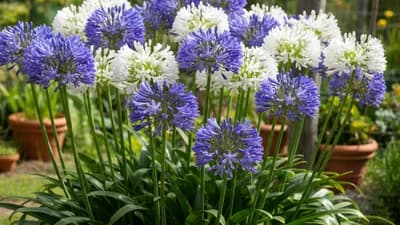
- Divide overcrowded agapanthus and daylily clumps when new growth is 100 mm tall in September
- Service drip irrigation and check pressure before the December heat—find leaks now, not in a heatwave
- Weed thoroughly in September before plants set seed; the spring weed flush is faster than any other season
Summer (December–February)
- Water deeply every 5–7 days before 8 am; surface watering in December–February loses 30–40% to evaporation
- Deadhead roses and salvias in early morning or evening—never in midday heat, which stresses cut stems
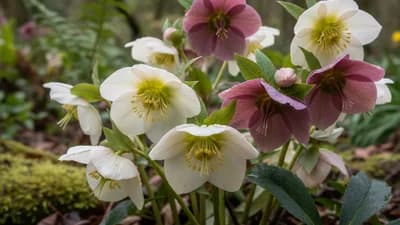
- Erect 30–50% shade cloth over heat-sensitive hellebores and woodland plants during forecast days above 38°C
- Check council water restriction status—in drought years, Level 2–3 restrictions may limit garden days
- Harvest herbs (rosemary, thyme, basil) frequently to prevent premature bolting in the heat
- Hold off on any fertilising until March; hot-season fertilising risks burning roots and triggering disease
Autumn (March–May)
- Best planting window in most of Australia—soil still warm for root establishment before winter
- Plant bare-root roses as soon as they appear at nurseries in May (Melbourne and Adelaide) or June (Sydney)
- Divide and transplant established perennials (salvia, agapanthus, hellebore) during the mild March–April window
- Plant spring-flowering bulbs (jonquils, tulips, alliums) from April in cool climates; pre-chill tulips in Sydney
- Collect and save seed from Nigella, Orlaya, and annual poppies before autumn rains wash them away
- Remove summer annuals as they exhaust; replace with cool-season snapdragons, Iceland poppies, and stocks
Winter (June–August)
- Prune deciduous roses in July in Melbourne and Adelaide, August in Sydney—timing to the last frost risk
- Plant bare-root roses, fruit trees, and deciduous ornamentals across the country's cool-climate regions
- Apply sulphur-based lime spray to dormant rose canes to prevent black spot and powdery mildew
- Prepare new beds with incorporated compost and aged manure; winter rains will break it down by spring
- Appreciate hellebores, jonquils, and early-flowering natives (Acacia, Correa) during the quietest season
- In alpine-adjacent gardens (Canberra, highlands NSW/VIC), protect frost-tender salvias with hessian wrap