Japanese Garden Design in Australia | Zen & Water-Wise

Japanese gardens have found a genuine home in Australia, particularly in Victoria and New South Wales where temperate climates support the full palette of maples, moss, and bamboo. The 4,000-square-metre Ju Raku En Japanese garden in Toowoomba, Queensland—one of the largest authentic Japanese gardens in the Southern Hemisphere—demonstrates how the aesthetic translates beautifully to Australian soil. Across the country, the design philosophy of restraint, asymmetry, and borrowed landscape (shakkei) aligns naturally with Australia's water-conscious culture and its spectacular native scenery.

Japanese Garden in Australia

Why Choose This Style for Australia?

Melbourne (Zone 9a) and highland NSW/ACT provide near-ideal conditions for Japanese maples, camellias, and moss—closer to the Japanese climate than most of Europe

🌱

Australian sandstone, granite, and bluestone are world-class materials that complement Japanese stone aesthetics beautifully

💚

Dry garden (karesansui) design is inherently water-wise and aligns perfectly with Australia's water-scarcity consciousness

Climate Adaptation for Australia

In Melbourne and the cool highlands, Japanese gardens follow a genuine four-season rhythm: spring (September–November) brings camellia and azalea bloom alongside new maple foliage; summer (December–February) is the critical watering period, with afternoon shade essential; autumn (March–May) delivers the most spectacular Japanese garden moment—maple colour peaking in April in Melbourne, two months later than in Japan; winter (June–August) reveals structural beauty through bare deciduous forms. In Sydney (Zone 10a), emphasis shifts toward heat-adapted selections such as Nandina, Bambusa, and drought-tolerant groundcovers, with dry garden elements carrying more visual weight. Perth and Brisbane gardens succeed best with a stripped-back Japanese vocabulary focused on stone, water, and minimal planting.

Key Challenges
  • Australian summer heat (December–February) stresses traditional Japanese plants such as Acer palmatum in all but Melbourne and highland gardens
  • Water restrictions in most cities make moss gardens and moisture-loving groundcovers impractical without careful planning and rainwater systems
  • Intense UV radiation—among the highest on Earth—causes leaf scorch on shade-loving plants in exposed positions
  • Alkaline soils in many inland and coastal regions conflict with the acid-loving requirements of camellias, azaleas, and Japanese maples
  • Bushfire risk in bushland-adjacent properties requires fire-wise adaptation of traditional Japanese planting schemes
Regional Advantages
  • Melbourne (Zone 9a) and highland NSW/ACT provide near-ideal conditions for Japanese maples, camellias, and moss—closer to the Japanese climate than most of Europe
  • Australian sandstone, granite, and bluestone are world-class materials that complement Japanese stone aesthetics beautifully
  • Dry garden (karesansui) design is inherently water-wise and aligns perfectly with Australia's water-scarcity consciousness
  • Native tree ferns (Dicksonia antarctica) and native irises offer a genuinely Australian interpretation of Japanese woodland aesthetics
  • Long mild winters in most regions allow year-round enjoyment of the garden's structural elements

Key Design Principles

Karesansui as Water-Wise Core

The dry landscape garden is not a compromise for Australian conditions—it is the most philosophically pure expression of Japanese garden art. Raked granite gravel, local sandstone boulders, and shaped dwarf conifers create a meditation space requiring no irrigation once established. In water-restricted cities like Perth and Adelaide, karesansui gardens are the most authentic and practical Japanese garden form available.

Australian Native Integration

Legitimate Australian Japanese gardens blend imported aesthetic principles with indigenous plants. Tree ferns (Dicksonia antarctica) from the Dandenong Ranges evoke Japanese forest understorey. Native sedges (Carex appressa) substitute for traditional grasses. Coastal rosemary (Westringia fruticosa) pruned into cloud forms echoes Japanese azalea mounding. This synthesis creates gardens that are both culturally honest and ecologically responsible.

Shakkei—Borrowed Australian Landscape

Japanese borrowed landscape philosophy finds ideal application in Australia. Frame views of eucalyptus canopy, coastal escarpments, or Blue Mountains ridgelines through carefully positioned gateway openings and filtered screens. The technique transforms suburban plots by connecting them to the immense scale of the Australian landscape beyond the fence—a profoundly Japanese gesture that costs nothing and requires only thoughtful plant placement.

Shade Architecture for Australian Summers

A pergola or open-sided pavilion is not optional in Australian Japanese gardens—it is the functional heart of the design. Positioned to block harsh western afternoon sun between December and February, a simple timber-and-bamboo structure extends the range of plants you can grow by creating a cool microclimate. Morning sun, afternoon shade is the operating principle for camellias, azaleas, and Japanese maples in Sydney and Brisbane.

Water Feature Economy

Where water features are included, recirculating closed systems fed by rainwater tanks are standard practice across Australian Japanese gardens. A 1,000-litre tank concealed behind bamboo screening can sustain a small tsukubai stone basin and shishi-odoshi for years with minimal mains-water top-up. Solar-powered pumps eliminate running costs. The sound and movement of water is disproportionately powerful in Australian gardens given the country's water-scarcity awareness.

Seasonal Restraint and Evergreen Structure

Japanese garden philosophy prizes understatement, and this restraint suits Australian conditions where dramatic seasonal colour is more difficult to sustain. Evergreen structure—shaped Japanese box, mondo grass borders, Nandina foliage, camellia hedges—provides year-round beauty. Deciduous accents (Japanese maple in cool climates, Ginkgo biloba in temperate zones) punctuate this calm with autumn colour that feels genuinely earned.

Recommended Plants for Australia

These plants are specifically selected to thrive in your region's climate and complement this garden style perfectly.

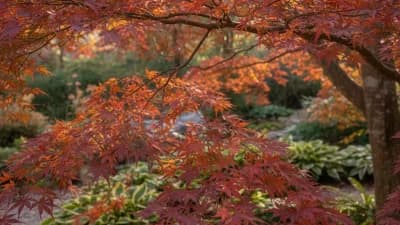
Japanese Maple
Japanese Maple

Acer palmatum

The centrepiece of Japanese gardens in Melbourne, the Adelaide Hills, and NSW highlands. Spectacular autumn colour (March–May in southern Australia). Requires acid soil, afternoon shade in Sydney, and protection from hot north-westerly winds. Thrives in a pot in warmer cities, giving control over root environment and positioning.

Sun: Morning sun, afternoon shade in warm climates

Water: Moderate—mulch heavily, never let dry out in summer

Blooms: Autumn foliage colour March–May

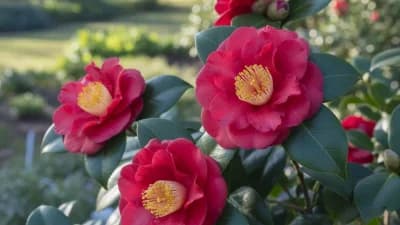
Camellia
Camellia

Camellia japonica

Thrives across southern Australia from Tasmania to coastal NSW. Spectacular winter–spring flowers (June–October) when little else blooms. Acid soil essential—incorporate sulphur and composted pine bark in alkaline regions. Can be shaped into formal hedges or allowed to develop naturally as multi-stemmed specimens.

Sun: Dappled shade to morning sun

Water: Moderate—consistent moisture, especially in summer

Blooms: June–October depending on variety

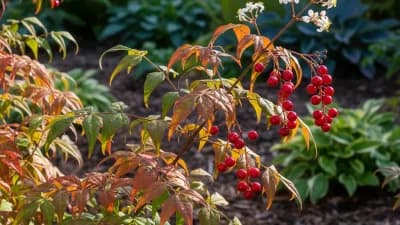
Sacred Bamboo
Sacred Bamboo

Nandina domestica

Not a true bamboo, this Asian shrub is one of the most reliable plants for Japanese-inspired gardens across all Australian climate zones. Fiery red new growth, white summer flowers, and persistent red berries provide year-round interest. Drought tolerant once established; non-invasive. Note: classified as an environmental weed in some bushland-adjacent areas—check local council guidelines.

Sun: Full sun to part shade

Water: Low to moderate once established

Blooms: White flowers November–January; red berries autumn–winter

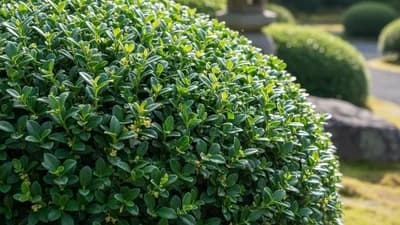
Japanese Box
Japanese Box

Buxus microphylla var. japonica

The most heat-tolerant box variety, suitable across southern and temperate Australia. Essential for the clipped cloud forms and topiary that define Japanese garden structure. Slower growing than English box but significantly more resistant to summer heat and the box blight fungus now spreading through Victoria and NSW.

Sun: Full sun to part shade

Water: Moderate—drought tolerant once established

Mondo Grass
Mondo Grass

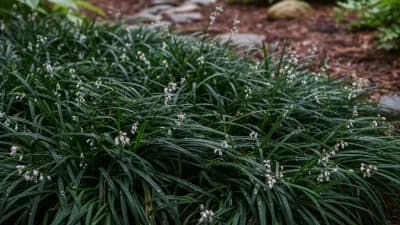
Ophiopogon japonicus

The definitive Japanese garden groundcover, surviving reliably across all but the most tropical Australian regions. Dense black-leaved form (O. planiscapus 'Nigrescens') creates extraordinary contrast against pale gravel or sandstone paving. Tolerates foot traffic, deep shade, and periods of drought once roots are established.

Sun: Full sun to deep shade

Water: Low to moderate

Blooms: Inconspicuous summer flowers

Soft Tree Fern
Soft Tree Fern

Dicksonia antarctica

Australia's own contribution to Japanese garden woodland aesthetics. Native to the cool temperate rainforests of the Dandenong Ranges and Blue Mountains, this slow-growing tree fern creates an instantly evocative understorey canopy in shaded Melbourne and Sydney gardens. Trunk can be soaked during dry periods—tolerates considerable drought when established. Protected: purchase only from licensed nurseries.

Sun: Dappled shade to full shade

Water: Moderate—soak trunk in dry periods

Coastal Rosemary
Coastal Rosemary

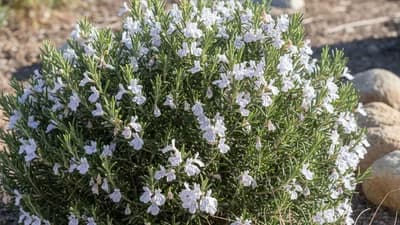
Westringia fruticosa

Native Australian shrub that accepts hard pruning into the rounded cloud forms central to Japanese garden composition. Tiny grey-green leaves evoke pine texture from a distance. Extremely drought tolerant, performs well in coastal Sydney and Perth gardens where traditional Japanese plants struggle. Flowers freely September–December with small white blooms.

Sun: Full sun

Water: Very low

Blooms: September–December

Liriope
Liriope

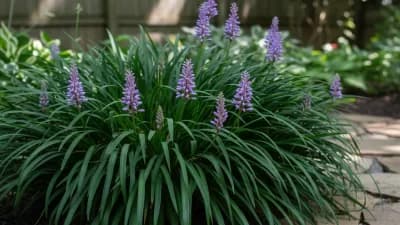
Liriope muscari

Tough, versatile border plant used throughout Japanese gardens in Australia as an edging for raked gravel beds and stone paths. Deep purple flower spikes in late summer (January–March) stand well above the foliage. More heat tolerant than mondo grass; suitable for Brisbane and inland Sydney gardens where mondo struggles in extreme heat.

Sun: Part shade to full sun

Water: Low—survives dry periods once established

Blooms: January–March

Ginkgo
Ginkgo

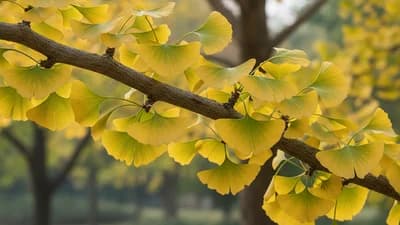
Ginkgo biloba

The ideal deciduous accent tree for larger Australian Japanese gardens in temperate climates. Fan-shaped leaves turn clear butter-yellow in April–May, providing the most reliable autumn colour in Sydney and Melbourne where Japanese maples can struggle. Extremely long-lived; pollution tolerant; no serious pests in Australia. Slow-growing—choose established specimens for immediate impact.

Sun: Full sun

Water: Low to moderate once established

Blooms: April–May autumn foliage colour

Ready to Bring This Style to Life?

Upload a photo of your yard and get AI-powered japanese garden designs with plants perfectly suited to Australia's climate.

Start Designing Now

Essential Design Features

Water and Dry Garden Elements
  • Karesansui dry garden using locally sourced decomposed granite or crushed white quartz
  • Rainwater-fed tsukubai stone basin with solar-powered recirculation pump
  • Small koi pond (1,000–3,000 litres) with UV filtration and cover mesh for bird protection
  • Shishi-odoshi bamboo deer-scarer connected to closed water circuit
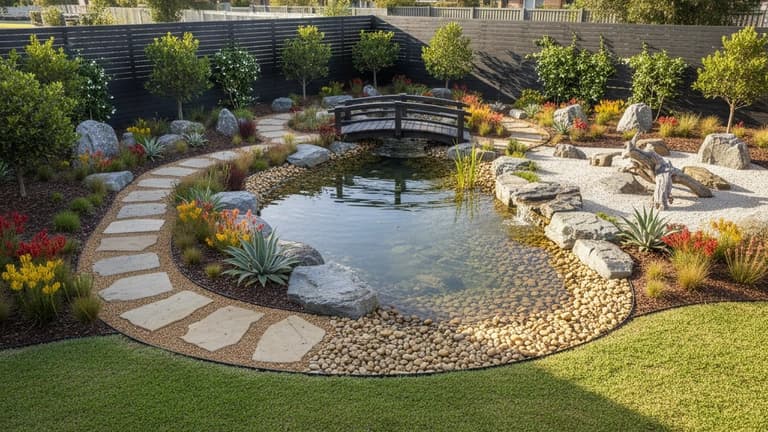
  • Dry stream bed of rounded river pebbles suggesting water flow without consumption
  • Rain chain (kusari-doi) directing roof runoff to below-ground tank via decorative copper links
Stone and Structural Elements
  • Large sandstone or granite feature boulders (minimum 300 kg) positioned by crane for authenticity
  • Stepping stone path in Gosford sandstone or Victorian bluestone through planting beds
  • Ishi-dōrō stone lantern in local granite—avoid imported concrete imitations
  • Dry-stone retaining walls using local fieldstone in Melbourne and NSW highland gardens
  • Gravel courtyard with raked concentric wave patterns around central boulder group
  • Timber moon-viewing platform (tsukimi-dai) in recycled ironbark or spotted gum
Plant Composition
  • Canopy: Japanese maple or Ginkgo (cool climates), Podocarpus or Elaeocarpus (warm climates)
  • Mid-storey: Camellia japonica, Nandina domestica, shaped Japanese box or Westringia
  • Screening: Bambusa oldhamii (clumping bamboo in large containers to prevent spread)
  • Groundcover: Ophiopogon japonicus, Liriope muscari, Dichondra repens in shaded areas
  • Accent: Dicksonia antarctica tree fern, dwarf Acer palmatum cultivars in pots
  • Seasonal focal point: single specimen Japanese maple positioned against white wall or fence
Architectural Elements
  • Entry gate (mon) in recycled hardwood or Corten steel with natural patina finish
  • Open-sided shade pavilion with low-pitched roof in spotted gum, essential for summer comfort
  • Bamboo or Colourbond fence in muted grey or charcoal replacing traditional timber palings
  • Zigzag (yatsuhashi) bridge in treated hardwood over dry garden or pond
  • Timber bench in shaded position—Tassie oak or recycled hardwood preferred
  • Low-level LED garden lighting on bamboo-effect fittings for evening viewing

Seasonal Maintenance Guide

Spring (September–November)
  • Prune shaped hedges and cloud-form shrubs before the main growth flush begins in October
  • Apply low-phosphorus native-friendly slow-release fertiliser to any Australian native inclusions
  • Refresh gravel and rake dry garden patterns after winter rain moves stones
  • Service water feature pump and filtration before summer heat increases algae risk
  • Plant new camellias, Japanese maples, and groundcovers while soils are warming but not yet hot
  • Apply 100 mm of coarse composted wood mulch to all garden beds before the December heat
Summer (December–February)
  • Water deeply twice weekly before 8 am to minimise evaporation and comply with most council restrictions
  • Install temporary shade cloth (50%) over Japanese maples during predicted heatwaves above 38°C
  • Top up water features daily in hot weather; use recycled water where permitted
  • Rake gravel gardens to maintain patterns disturbed by heavy summer storms
  • Avoid any fertilising during peak heat—risk of fertiliser burn is high in December–January
  • Monitor bamboo containers weekly to prevent runners escaping from drainage holes
Autumn (March–May)
  • Peak visual season in Melbourne and highland gardens—minimal intervention, maximum observation
  • Collect fallen maple leaves promptly to prevent mat formation over moss or mondo grass
  • Plant new specimens into warm soil with 6 weeks before winter slows establishment
  • Divide and replant overcrowded mondo grass and liriope clumps
  • Drain and clean pond filters after summer biological load before cooler weather reduces algae
  • Order bare-root Japanese maples and camellias for late-June to July planting while dormant
Winter (June–August)
  • Prune deciduous Japanese maples and Ginkgo while fully dormant—late July is ideal in Melbourne
  • Plant bare-root maples, camellias, and azaleas directly into prepared acid soil
  • Clean and treat timber structures (gates, pavilion, benches) with oil or penetrating stain
  • Appreciate camellia flowering—the core winter spectacle of southern Australian Japanese gardens
  • Protect frost-sensitive Nandina in Canberra and alpine-adjacent gardens with hessian wrap below –5°C
  • Minimal watering needed in southern regions; Melbourne soils typically remain moist June–August
Investment Guide

Estimated costs for creating your japanese garden in Australia

Small Garden
  • Plants
    AUD $800–$1,800
    Camellia, Nandina, Japanese box, mondo grass, and one specimen Japanese maple for 20–40 m²
  • Stone and Gravel
    AUD $700–$1,500
    Local sandstone boulders, decomposed granite for dry garden, and stepping stones
  • Water Feature
    AUD $500–$1,200
    Rainwater-fed tsukubai basin with solar pump, or pure dry garden requiring no water
  • Structures
    AUD $600–$1,400
    Recycled hardwood entry gate and bamboo privacy screen
  • Total
    AUD $2,600–$5,900
    Intimate Japanese meditation space, Sydney or Melbourne—labour at AUD $75–$95/hr
Medium Garden
  • Plants
    AUD $2,500–$5,500
    Specimen maples, camellias, shaped box, tree fern, bamboo (in containers), and groundcovers for 50–80 m²
  • Stone and Gravel
    AUD $2,800–$6,000
    Sandstone stepping paths, feature boulders, extensive raked gravel dry garden areas
  • Water Feature
    AUD $2,500–$7,000
    Koi pond (1,500 litres) with UV filtration, or elaborate dry garden with shishi-odoshi circuit
  • Structures
    AUD $3,000–$6,000
    Shade pavilion in spotted gum, entry gate, stone lantern, and zigzag bridge
  • Irrigation
    AUD $900–$1,800
    Drip irrigation with smart rain-sensor controller and rainwater tank connection
  • Total
    AUD $11,700–$26,300
    Authentic Japanese garden with dry and wet elements—Perth/Brisbane labour AUD $65–$80/hr
Large Garden
  • Plants
    AUD $6,000–$13,000
    Mature specimen trees, extensive groundcovers, camellias, tree ferns, and bamboo grove for 100+ m²
  • Stone and Gravel
    AUD $7,000–$14,000
    Major crane-placed boulders, sandstone paving, large-scale raked gravel gardens
  • Water Feature
    AUD $10,000–$25,000
    Large koi pond with biological filtration, waterfall, and planted margins, or signature dry garden
  • Structures
    AUD $8,000–$18,000
    Custom tea house or moon-viewing pavilion, entry gate, bridges, stone lanterns, fencing
  • Irrigation
    AUD $2,000–$4,000
    Professional multi-zone smart irrigation with greywater or rainwater tank integration
  • Total
    AUD $33,000–$74,000
    Showcase Japanese garden with tea house—comparable quality to Ju Raku En residential precinct

Frequently Asked Questions

Transform Your Yard Today

Get personalized japanese garden designs created by AI, featuring plants that thrive in Australia. Upload your yard photo and see your dream garden come to life in minutes.

Start Your Design