Native Plant Garden Design in Australia - Indigenous Australian Gardens

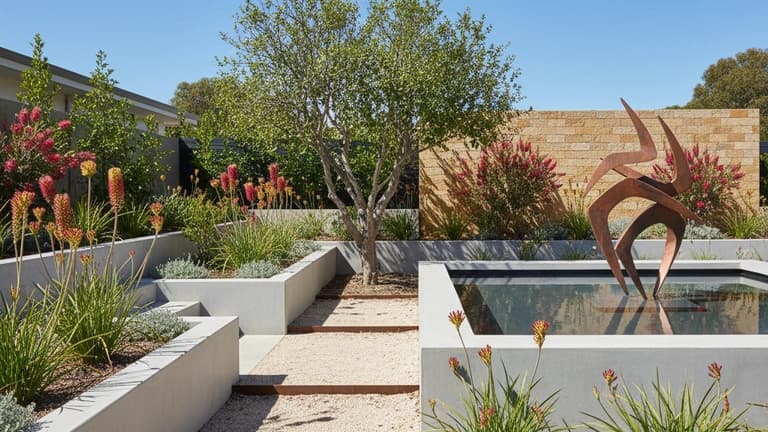
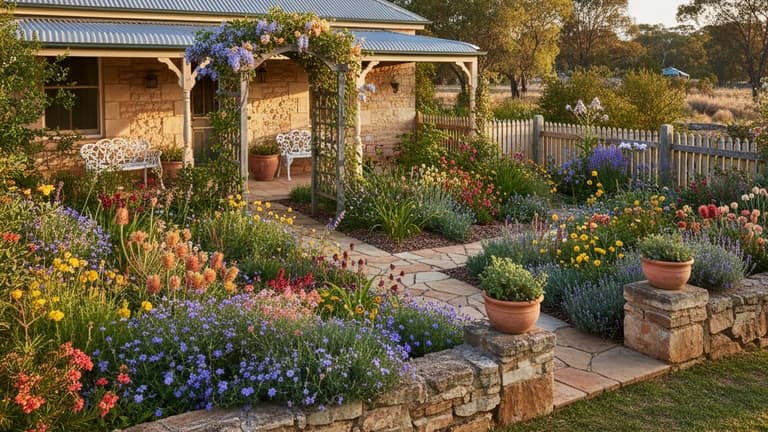
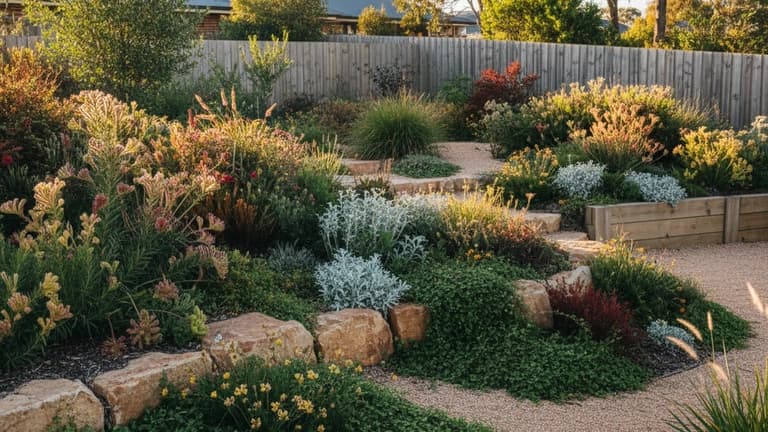
Australia is home to one of the most unique and ancient floras on Earth, with over 24,000 native plant species, many found nowhere else in the world. Discover how to create a stunning, sustainable garden using indigenous Australian plants that thrive in local conditions, support native wildlife including birds, butterflies and beneficial insects, and celebrate the extraordinary beauty of the Australian bush landscape, from coastal heath to eucalyptus woodland.

Native Plant Garden in Australia

Why Choose This Style for Australia?

Extraordinary diversity of native species perfectly adapted to local conditions

🌱

Native plants require far less water and fertiliser than exotic alternatives

💚

Year-round interest with many species flowering in autumn and winter

Climate Adaptation for Australia

Australian native gardens offer spectacular interest year-round. Spring (September-November) brings mass flowering of wattles, wildflowers and ground orchids. Summer (December-February) showcases the resilience of native plants with eucalyptus, banksias and grevilleas continuing to flower. Autumn (March-May) is the best planting season with cooling temperatures and autumn rains. Winter (June-August) features flowering banksias, correas and native winter bloomers. Design to maximise the unique seasonal rhythms of Australian native plants.

Key Challenges
  • Extreme summer heat and prolonged drought periods across much of the continent
  • Bushfire risk in many regions requiring careful plant selection and garden design
  • Highly variable rainfall patterns and increasing water restrictions
  • Poor, ancient soils low in phosphorus that many exotic plants struggle with
Regional Advantages
  • Extraordinary diversity of native species perfectly adapted to local conditions
  • Native plants require far less water and fertiliser than exotic alternatives
  • Year-round interest with many species flowering in autumn and winter
  • Growing movement of native plant nurseries and specialist growers across Australia

Key Design Principles

Water-Wise Native Design

Select indigenous plants that thrive on natural rainfall once established. Group plants by water needs, replacing thirsty lawns with native groundcovers, grasses and mulched areas. Australian natives are superbly adapted to drought, making them the most sustainable choice for gardens across the continent.

Wildlife Habitat Creation

Design to attract and support native wildlife. Include nectar-rich plants like grevilleas and banksias for honeyeaters and lorikeets, seed-bearing grasses for finches, dense shrubs for nesting birds, and leaf litter for lizards and insects. Create layers of vegetation mimicking natural bush structure.

Bush Regeneration Principles

Apply bush regeneration techniques by removing invasive weeds, encouraging natural regeneration, and planting indigenous species sourced from local provenance seed. Work with existing native remnant vegetation rather than against it.

Bushfire-Sensitive Design

In fire-prone areas, create defensible space with low-flammability native plants near the house. Use gravel mulch rather than bark, maintain asset protection zones, and choose succulent natives and groundcovers. Plan escape routes and ensure garden design supports survival.

Soil Health and Mycorrhiza

Australian native plants have evolved with ancient, low-nutrient soils and rely on mycorrhizal fungi. Avoid high-phosphorus fertilisers that can kill natives. Use native-specific slow-release fertilisers, maintain natural leaf litter mulch, and inoculate with mycorrhizal fungi when planting.

Local Provenance Planting

Source plants grown from locally collected seed wherever possible. Local provenance plants are genetically adapted to your specific soil, climate and rainfall. They establish faster, require less maintenance, and support local insect populations that have co-evolved with them.

Recommended Plants for Australia

These plants are specifically selected to thrive in your region's climate and complement this garden style perfectly.

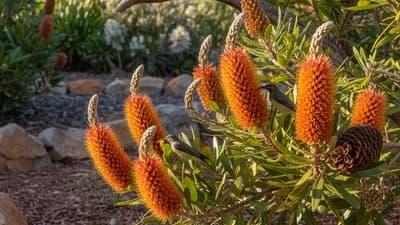
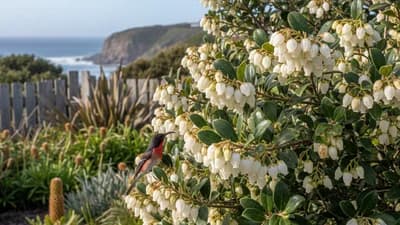
Banksia
Banksia

Banksia species

Iconic Australian genus with spectacular cylindrical flower spikes in yellow, orange and red, attracting honeyeaters and providing seed for cockatoos, extremely drought-tolerant once established

Sun: Full sun

Water: Very low - thrives on natural rainfall

Blooms: Autumn-winter

Grevillea
Grevillea

Grevillea species

Diverse genus with spider-like flowers in every colour, from groundcovers to large shrubs and trees, nectar-rich attracting honeyeaters year-round, extremely hardy and low-maintenance

Sun: Full sun to part shade

Water: Very low - extremely drought tolerant

Blooms: Year-round depending on species

Eucalyptus
Eucalyptus

Eucalyptus species

Quintessential Australian tree from small mallees to towering forest giants, providing canopy, habitat hollows, nectar for wildlife, and the unmistakable scent of the Australian bush

Sun: Full sun

Water: Very low - survives on rainfall alone

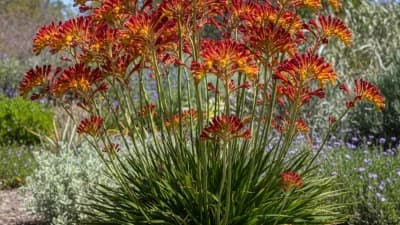
Kangaroo Paw
Kangaroo Paw

Anigozanthos species

Western Australian icon with unique velvet-textured tubular flowers in vibrant reds, yellows and greens, attracting honeyeaters, stunning in mass plantings or containers

Sun: Full sun

Water: Low - tolerates dry periods well

Blooms: Spring-summer

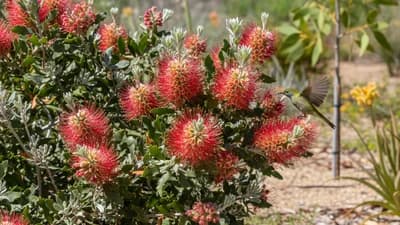
Bottlebrush
Bottlebrush

Callistemon species

Hardy Australian native with distinctive brush-shaped red, pink or white flowers beloved by honeyeaters and lorikeets, tolerates wet and dry conditions, excellent screening plant

Sun: Full sun to part shade

Water: Low to moderate - adaptable

Blooms: Spring-summer

Wattle
Wattle

Acacia species

Australia's national floral emblem with golden yellow ball or rod flowers, nitrogen-fixing pioneer species that improves soil, fast-growing and extremely drought-tolerant

Sun: Full sun

Water: Very low - extremely hardy

Blooms: Winter-spring

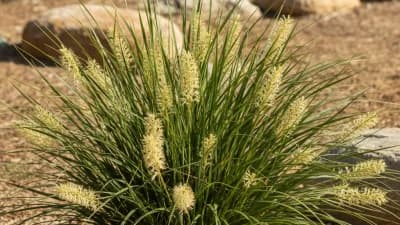
Lomandra
Lomandra

Lomandra longifolia

Tough native grass-like plant forming dense tussocks, extremely hardy groundcover surviving drought, frost, neglect and even mowing, excellent for borders and mass planting

Sun: Full sun to shade

Water: Very low - survives on rainfall alone

Correa
Correa

Correa species

Compact native shrub with bell-shaped flowers in winter when little else blooms, attracts honeyeaters during the lean months, tolerates shade and coastal conditions

Sun: Part shade to full sun

Water: Low - drought tolerant once established

Blooms: Autumn-winter

Ready to Bring This Style to Life?

Upload a photo of your yard and get AI-powered native plant garden designs with plants perfectly suited to Australia's climate.

Start Designing Now

Essential Design Features

Surfaces and Paths
  • Local sandstone or bush rock for paving and edging
  • Decomposed granite in natural ochre and brown tones
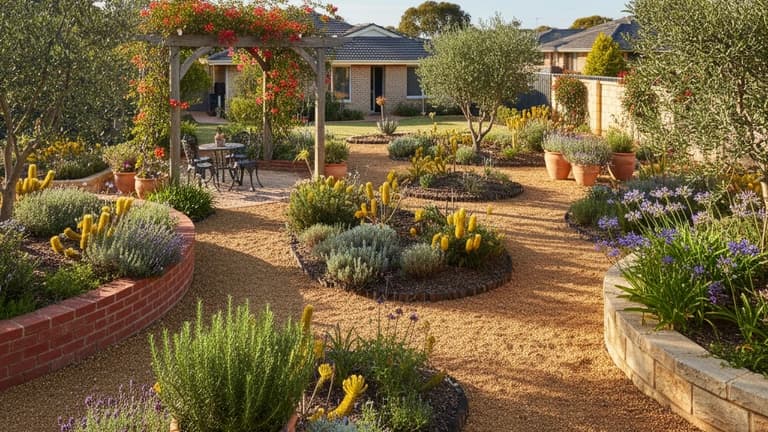
  • Compacted gravel paths with timber or steel edging
  • Recycled hardwood sleepers for steps and retaining
  • Permeable surfaces to maximise rainfall infiltration
Water Elements
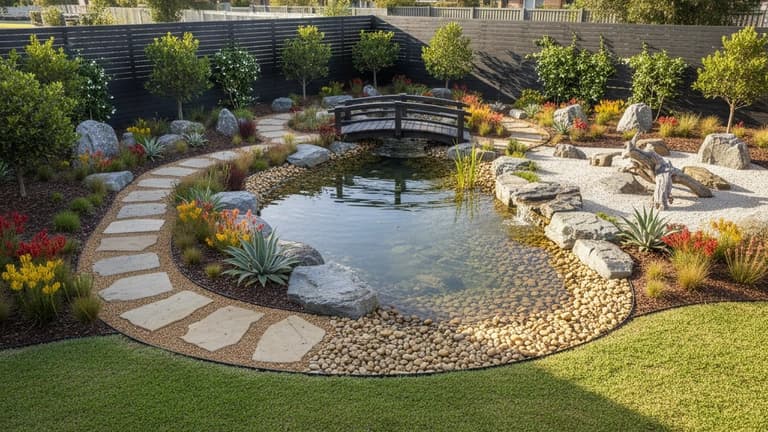
  • Naturalistic rock pool or billabong-style pond
  • Birdbath or shallow dish for native birds
  • Rainwater tank integrated into garden design
  • Dry creek bed for stormwater management
  • Frog-friendly pond with native aquatic plants
  • Dripping rock wall for moisture-loving ferns
Wildlife Structures
  • Nest boxes for parrots, owls and microbats
  • Log piles and rock stacks for lizards and skinks
  • Insect hotel with native bee nesting tubes
  • Dense thicket planting for small bird refuge
  • Fallen timber habitat for invertebrates
  • Snake-safe frog bog separated from play areas
Themed Zones
  • Wildflower meadow with local species mix
  • Coastal heath garden with banksia and tea tree
  • Dry rainforest understorey with ferns and palms
  • Bush tucker garden with edible native species
  • Sensory garden with aromatic natives like lemon myrtle

Seasonal Maintenance Guide

Spring
  • Prune grevilleas and callistemons lightly after flowering
  • Apply native-specific slow-release fertiliser (low phosphorus)
  • Weed out invasive species before they set seed
  • Check and repair irrigation systems before summer
  • Top up mulch to 75-100mm depth with leaf litter or woodchip
  • Monitor for new growth and adjust plant supports
Summer
  • Water deeply but infrequently, preferring early morning
  • Allow plants to enter natural summer dormancy where appropriate
  • Monitor for heat stress in newly planted specimens
  • Keep birdbaths topped up with fresh water for wildlife
  • Harvest native herbs like lemon myrtle and native mint
  • Prepare bushfire defences in fire-prone areas
Autumn
  • Best season for planting new native species before winter rain
  • Collect seed from native plants for propagation
  • Remove spent flower heads to encourage bushier growth
  • Clean up fallen leaves but leave natural mulch in garden beds
  • Install nest boxes before breeding season
  • Divide clumping species like lomandra and dianella
Winter
  • Enjoy winter-flowering banksias, correas and hakeas
  • Prune deciduous natives and shape hedging plants
  • Protect frost-sensitive species in cold climate areas
  • Plan new plantings and source local provenance plants
  • Clean and maintain garden tools
  • No supplementary watering needed with natural rainfall

Investment Guide

Estimated costs for creating your native plant garden in Australia

Small Garden
  • Plants
    $500 - $1,000
    Native shrubs, groundcovers and grasses for 20-30 sqm
  • Materials
    $800 - $1,500
    Bush rock, decomposed granite and mulch
  • Wildlife Features
    $200 - $400
    Birdbath, insect hotel, nest box
  • Irrigation
    $300 - $600
    Basic drip irrigation with timer
  • Total
    $1,800 - $3,500
    Compact native garden with wildlife features
Medium Garden
  • Plants
    $1,500 - $3,000
    Native trees, shrubs, groundcovers and wildflower meadow for 50-80 sqm
  • Materials
    $3,000 - $6,000
    Sandstone paving, bush rock walls, gravel paths
  • Water Features
    $1,000 - $2,500
    Naturalistic pond or dry creek bed with rock pool
  • Infrastructure
    $800 - $1,500
    Multi-zone drip irrigation, rainwater tank connection
  • Total
    $6,300 - $13,000
    Complete native garden with habitat zones and water features
Large Garden
  • Plants
    $4,000 - $8,000
    Mature eucalyptus, extensive native planting and wildflower meadow for 120+ sqm
  • Materials
    $8,000 - $15,000
    Extensive sandstone work, retaining walls, paths and terracing
  • Water Features
    $3,000 - $6,000
    Billabong pond, dry creek bed, frog bog and bird bathing area
  • Structures
    $4,000 - $9,000
    Bush pavilion, fire pit area, extensive wildlife habitat structures
  • Total
    $19,000 - $38,000
    Expansive native garden with complete ecosystem and outdoor living

Frequently Asked Questions

Transform Your Yard Today

Get personalized native plant garden designs created by AI, featuring plants that thrive in Australia. Upload your yard photo and see your dream garden come to life in minutes.

Start Your Design