Seasonal Maintenance Guide
Spring (September–November)
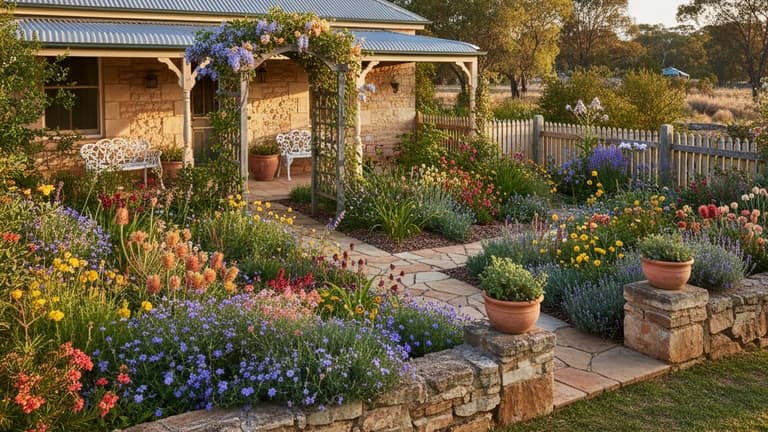
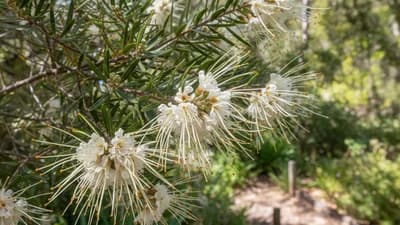
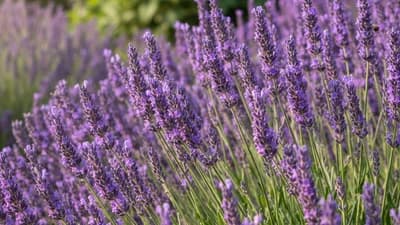
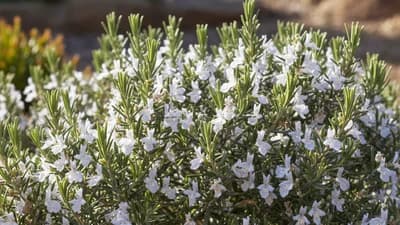
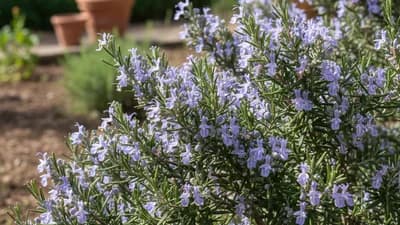
- Prune Mediterranean shrubs (lavender, rosemary, westringia) by one-third immediately after peak flowering ends in October — do not cut into old wood below the green foliage line
- Restart irrigation by mid-September once rainfall drops below 10 mm per week; set controllers to comply with your zone-day restrictions (Perth: two days per week)
- Plant new Mediterranean and native specimens now — soil is warm and the last of winter rain aids root establishment before December heat
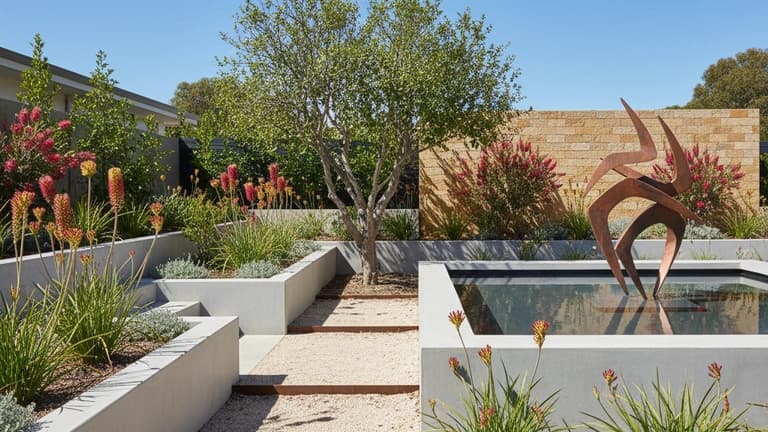
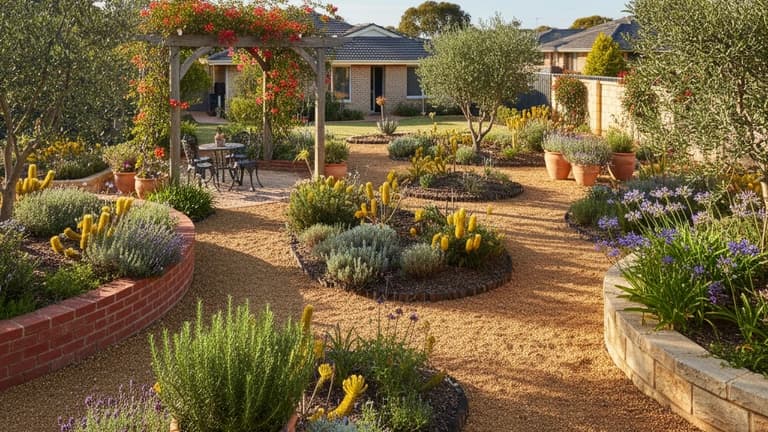
- Apply 75 mm coarse gravel mulch to all planting beds in October before soil temperature exceeds 25 °C to slow moisture loss
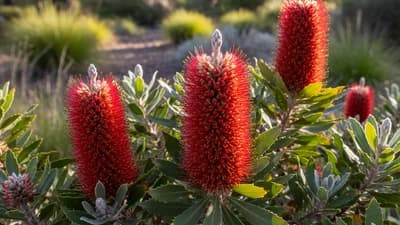
- Feed Banksias, Grevilleas and Hakeas with a low-phosphorus native fertiliser (< 1.5 % P) — never use standard garden fertiliser, which will cause root burn and dieback
- Check drip emitters for root intrusion and flush filters before the summer season begins
Summer (December–February)
- Water established plants deeply once per week per zone before 9 am or after 6 pm to comply with Perth Water Corporation summer restrictions and reduce evaporation
- Newly planted specimens (first summer) may need twice-weekly watering — apply for a water corporation exemption for new gardens if necessary
- Suspend all fertilising from December to February; feeding during heat stress promotes soft growth vulnerable to sunburn
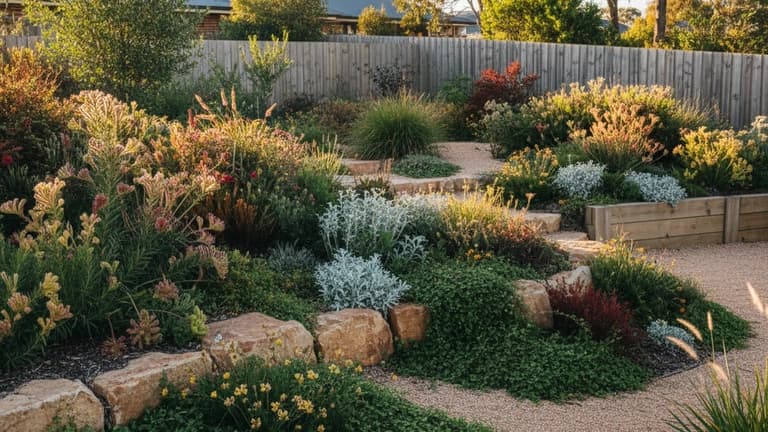
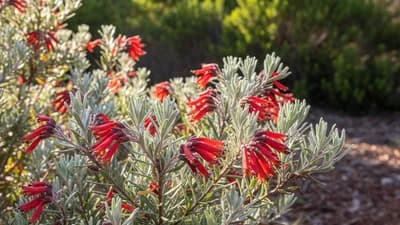
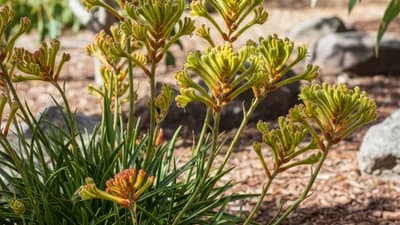
- Clear dead flower stems from Kangaroo Paws in late December to prevent ink disease taking hold in humid microclimate around old growth
- Check for and remove summer annual weeds before they set seed — kikuyu grass runners are the main competitor in Perth sandy soils
- Assess the APZ: clear dead material within 10 m of the house before total fire ban season (December 1 in the Perth Hills zone)
Autumn (March–May)
- Switch off irrigation entirely by mid-May once Perth weekly rainfall consistently exceeds 15 mm (typically mid-May) — overwatering in winter kills Mediterranean plants faster than drought
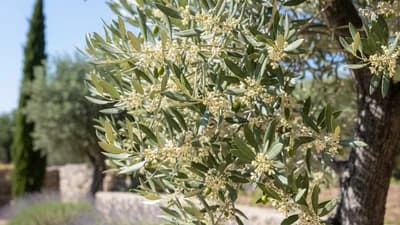
- Plant bare-root olives, citrus, fig and grape from late April when nurseries receive stock — roots establish rapidly in warm autumn soil before winter
- Cut ornamental grasses back to 100 mm in April before new growth begins from the crown
- Apply compost to non-Proteaceae beds in March–April; avoid adding phosphorus-rich chicken manure near Banksias or Grevilleas
- Divide Agapanthus clumps every four years in late autumn — remove sections with a spade and replant at original depth
- Service and store shade sails before winter wind events; Perth experiences destructive north-westerly storms in June–July
Winter (June–August)
- Turn irrigation off entirely — Perth averages 180 mm of rain June–August, more than enough for all established plantings
- Enjoy peak Banksia and Grevillea flowering; B. menziesii, B. prionotes and G. Robyn Gordon all peak in winter in Perth gardens
- Prune fruit trees (olives, citrus, figs) while fully dormant in July — remove crossing branches and open the canopy for air circulation
- Check for Phytophthora (root rot) in poorly draining areas — yellowing foliage after rain is the warning sign; improve drainage with coarse sand incorporation before replanting
- Plan spring plant purchases in July: pre-order specialist WA natives from Zanthorrea Nursery and Kings Park Friends plant sales (held August–September)
- Replenish limestone and gravel surfaces after winter rain erosion