Seasonal Maintenance Guide
Spring (April–May in BC; mid-May in Ontario/Quebec; late May in prairies)
- Remove burlap wind-wraps from tender evergreens when overnight lows are reliably above -5°C — removing too early risks desiccation burn from March winds
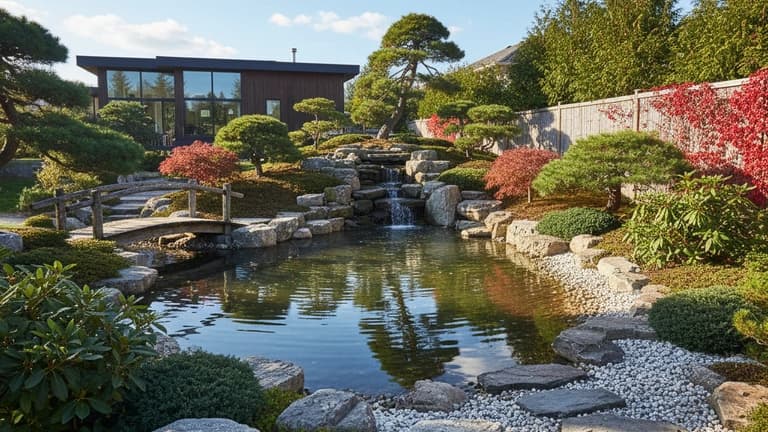
- Inspect stone lanterns and water basin bases for frost heaving; re-level on their gravel collars before vegetation conceals the problem
- Restart recirculating water systems only after overnight temperatures stay above 2°C — pump seals fail if restarted in freezing conditions
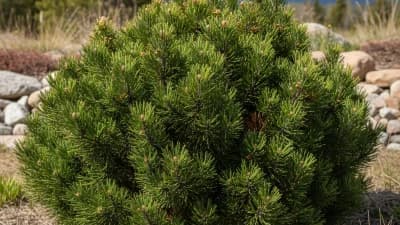
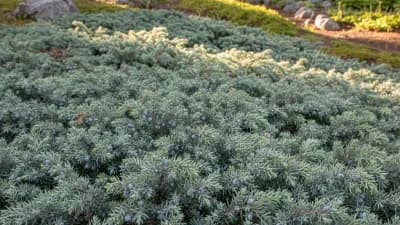
- Prune Mugo pines by pinching emerging candles to half their length in late May (BC) or early June (Prairies) to maintain dense cloud form
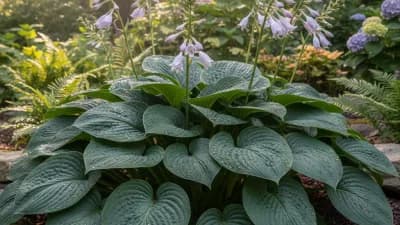
- Divide Hosta clumps before leaves unfurl (soil temperature above 10°C) — this is the optimal window before root competition intensifies
- Apply a 50mm layer of aged bark mulch to all planting beds to retain spring moisture and suppress weeds during the most critical establishment months
Summer (June–August)
- Water new plantings deeply every 7–10 days in dry spells (less than 20mm rain per week) — established plants rarely need supplemental irrigation in most of Canada
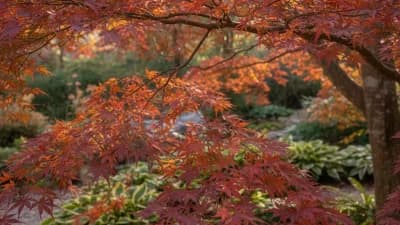
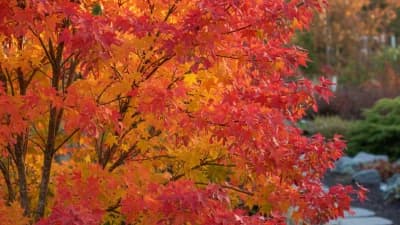
- Prune Acer palmatum and Acer ginnala in dry weather only (July–August) — wet conditions favour verticillium wilt entering pruning cuts
- Maintain water quality in koi ponds by testing pH weekly (target 7.0–7.5) and running filtration 24 hours a day during warm weather
- Remove any running bamboo shoots immediately as they emerge — check the perimeter fence daily during June in BC gardens that contain bamboo
- Rake karesansui gravel patterns after heavy rain disturbs them; use a wooden rake cut to the correct tine spacing for your chosen gravel size
- Check stone stepping stone stability after summer storms — roots expand in wet weather and can shift even well-set stones
Autumn (September–October)
- Begin winterizing water features when overnight temperatures first reach 2°C (typically October in Ontario, late September in Prairies, November in coastal BC)
- Drain and invert tsukubai basins; store pumps and flexible hose indoors before first hard freeze
- Wrap marginally hardy shrubs in burlap by November 1 in Zone 5–6, mid-October in Zone 3–4 — timing is more important than the wrapping material itself
- Apply 100mm of shredded leaf mulch or coarse bark over the root zones of Japanese maples before ground freeze to prevent crown heaving
- Photograph the garden at peak autumn colour — the documentation informs design refinements for the following season
- Plant spring-flowering bulbs (Narcissus, Allium) in bold groupings between stepping stones before ground hardens, typically September in Zone 5, October in Zone 7–8
Winter (November–March)
- Brush accumulated snow from cloud-pruned evergreen branches after each snowfall exceeding 150mm — wet spring snow in March is the most damaging, snapping established forms built over years of pruning
- Monitor snow load on any permanent structures: a 200mm snowpack generates roughly 0.8–1.0 kPa load — most residential structures are rated for 2.0–3.0 kPa but ice lens formation multiplies point loads
- Avoid salt-based ice melts on stepping stone paths — use sand or a calcium magnesium acetate product, as chloride salt damages stone, concrete footings, and soil chemistry
- Observe the winter silhouettes of the garden from inside — note which structural elements succeed and which need reinforcement; good Japanese garden design reveals itself most clearly under snow
- Keep a garden journal for zone-boundary plants: record overnight low temperature minimums against visible winter damage observed in March — this data is more reliable than published hardiness maps for your specific microclimate
- Order plants for spring from specialist BC or Ontario Japanese garden nurseries in January — the best Acer palmatum cultivars and cloud-form pines sell out by February