Seasonal Maintenance Guide
Spring (late March in BC; May in Ontario/Quebec; mid-May on Prairies)
- Cut back previous year's dried grasses and perennial stems to 100–150mm above ground when soil temperature reaches 8°C — cutting too early in March removes overwintering habitat and disrupts native bees that overwinter in hollow stems
- Remove winter mulch gradually in April–May in Zone 5–6 — check for frost-heaved plants and re-firm any displaced native perennials while the soil is still moist and workable
- Hand-pull invasive species as their new growth becomes identifiable (April–May in Ontario): Common buckthorn, Dog-strangling vine, Garlic mustard — remove before they set seed or the problem multiplies exponentially
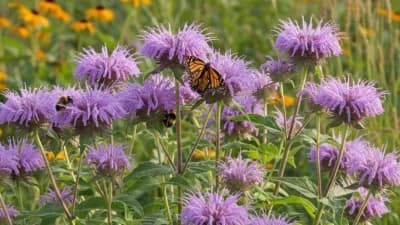
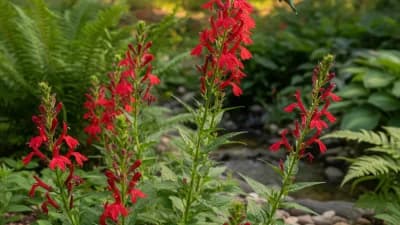
- Divide established native perennials (wild bergamot, cardinal flower, native asters) before they reach 100mm of new growth — the most successful division window before competition from annual weeds intensifies
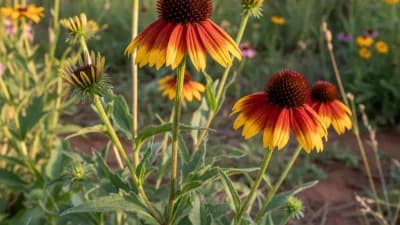
- Sow native wildflower seeds directly in prepared areas where winter has provided the cold stratification period that many Canadian native seeds require — Echinacea, Rudbeckia, Aquilegia all germinate well from direct spring sowing after natural winter
- Install or clean out nest boxes before migrating cavity-nesting birds (Tree Swallow, Eastern Bluebird) return in late April–early May in Ontario — clean out old nesting material and check for damage
Summer (June–August)
- Water newly planted natives during their first establishment summer only — provide one deep watering per week (25–30mm equivalent) during dry spells; established natives require zero supplemental irrigation in most of Canada
- Monitor for and immediately remove any invasive species that establish in the moist, disturbed soil of new plantings — Common burdock, Garlic mustard, and Canada thistle are the most aggressive summer invaders in Ontario native gardens
- Observe and document pollinator activity on specific plants: note which plants attract the most native bee diversity — this monitoring data is what drives design refinement and is genuinely useful to citizen science programs like iNaturalist Canada
- Allow native grasses and forbs to complete their natural growth cycle without deadheading — seed heads forming from August onward are essential food for resident and migrating birds from September through March
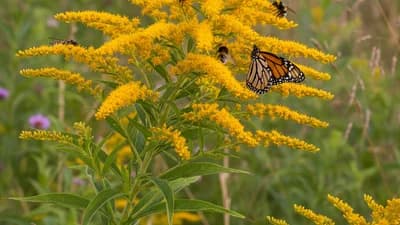
- Remove only vigorous spreading natives that are outcompeting weaker species: Solidago canadensis and Monarda fistulosa can overwhelm smaller wildflowers if not divided or thinned every 3–4 years
- Document the garden by photographing bloom succession and wildlife visits — a photo journal from June through October creates a visual record of the garden's ecological function and aesthetic evolution
Autumn (September–October)
- Leave all standing plant material through winter — do not cut back seed heads, dried grasses, or hollow stems until late March; this is the single most important native garden management principle and the one most frequently violated
- Collect seed from your garden plants in September–October for propagation: native plants grown from seed collected in your own garden maintain the local genetic provenance that makes them ecologically functional in your specific location
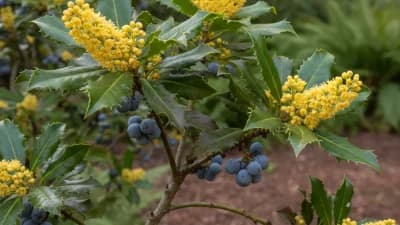
- Plant native trees and shrubs in September–early October in Zone 5–7 — autumn planting gives roots 6–8 weeks to establish before freeze, producing stronger plants than spring-planted equivalents in the following season
- Add fallen leaves to native planting beds as natural mulch — leaf litter is the overwintering habitat for over 90% of Ontario's native butterfly and moth species, which overwinter as eggs, caterpillars, or pupae in and under leaf litter
- Sheet mulch any areas earmarked for next year's native planting expansion in September–October — cardboard plus 150–200mm wood chip mulch kills existing lawn without herbicide and creates the disturbed-soil conditions that allow native seed sowing in spring
- Plant native spring-flowering bulbs (Camassia leichtlinii in BC, Allium tricoccum in Ontario/Quebec, Allium stellatum on Prairies) before ground hardens — these species provide critical early spring nectar for queen bumblebees emerging from overwintering
Winter (November–March)
- Appreciate the winter structure of native planting: the silhouettes of dried goldenrod, switchgrass seed heads, and dogwood stems against snow are as visually interesting as any ornamental garden in summer
- Maintain bird feeders from November through April to support resident and overwintering native species — black-oil sunflower and nyjer seed attract the greatest diversity of seed-eating native birds; native plant seed heads are an equally important supplemental food source
- Monitor for deer and rabbit browse damage on young native shrubs — wrap young Cornus sericea, Amelanchier, and shrub willows in wire mesh cylinders from November through April in areas with high deer pressure
- Order native plants from specialist nurseries in January for spring delivery — Conservation Authority spring plant sales (Ontario), native plant society sales (all provinces), and specialist nurseries (Terra Nova Nurseries in BC, Prairie Habitats in Manitoba, Wildflower Farm in Ontario) sell out of regionally correct stock by February
- Research the specific plants of your ecoregion using the COSEWIC species lists, the NatureServe Canada database, and the Canadian Biodiversity Information Facility (CBIF) — winter is the ideal time to deepen your knowledge of local plant communities
- Plan invasive species management for spring: research the specific identification, removal timing, and disposal requirements for the invasive species most problematic in your province — Garlic mustard in Ontario, English ivy in BC, Manitoba maple seedlings in Prairie native gardens