Seasonal Maintenance Guide
Pre-Monsoon / Summer (March-May)
- Apply 10 cm organic mulch across all planting beds by 31 March before temperatures exceed 35°C
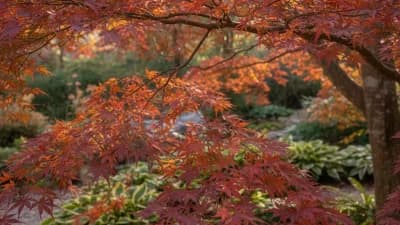
- Move container specimens (Japanese maple, Camellia) into 50% shade cloth enclosure when daytime temperatures consistently exceed 32°C
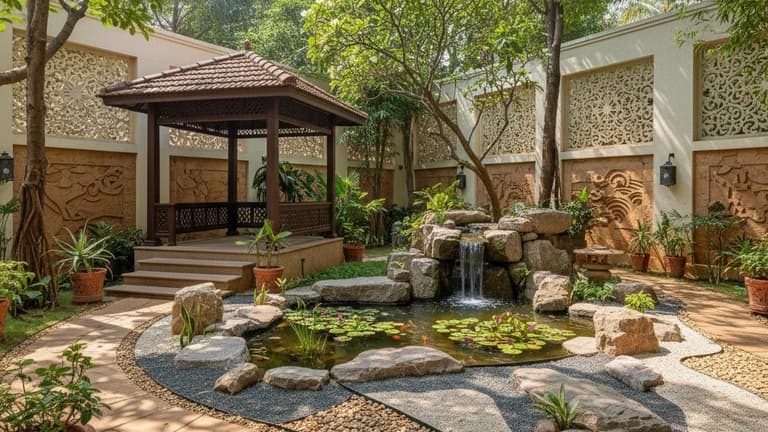
- Inspect and clear all overflow channels and pond drainage before 1 June — block clearance is the single most important pre-monsoon task
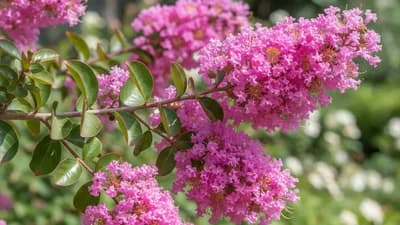
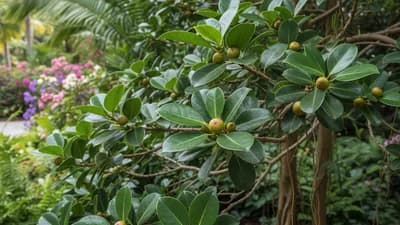
- Prune Lagerstroemia and Ficus topiary into final form before monsoon growth flush begins
- Deep-water all established plantings weekly if rainfall is below 10 mm/week in April-May
- Replenish gravel in karesansui areas where monsoon displacement is expected — do before rains begin
Monsoon (June-September)
- Inspect drainage channels after every rainfall event exceeding 30 mm — clear debris within 24 hours
- Apply sulphur-based fungicide to moss gardens, pines (hill stations), and ornamental cherries every 10-14 days when humidity exceeds 85% RH
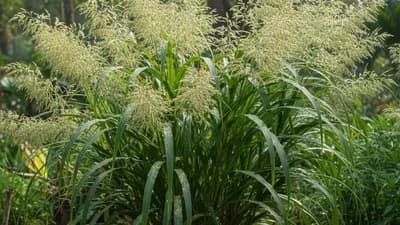
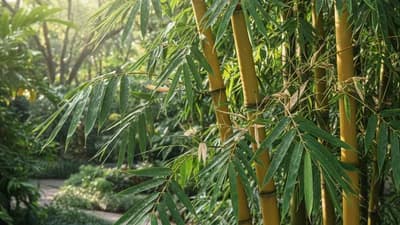
- Cut Thysanolaena and bamboo lateral growth to maintain proportional form — monsoon growth can add 1-2 m in 8 weeks
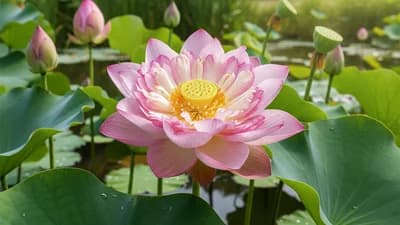
- Check pond water quality weekly — turbidity from soil runoff can suffocate lotus rhizomes; install silt trap at inlet
- Keep stepping stone paths clear of algae growth with weekly brushing — surfaces become dangerous within days in humid conditions
- Delay any new plantings until September when monsoon intensity decreases — waterlogging during establishment kills most specimens
Post-Monsoon (October-November)
- Refresh gravel karesansui once monsoon deposition has settled — typically mid-October
- Plant new specimens across all zones — soil is warm, moisture is residual, heat stress is absent
- Hill stations: photograph autumn colour of Japanese maples; schedule structural pruning after leaf drop
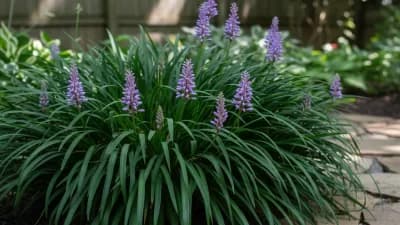
- Divide Liriope clumps that have exceeded 40 cm diameter — replant at 25 cm spacing
- Service recirculating pumps — clear monsoon sediment from pump inlets before dry season operation
- Prune Lagerstroemia to desired structural form while still leafy enough to assess branch angles
Winter (December-February)
- Hill stations below 1,800 m: protect Japanese maples and Camellia with frost fleece when night temperatures drop below 0°C (typically January)
- Delhi zone: enjoy the best garden season — this is the period when the garden performs closest to Japanese aesthetic ideals
- Prune Ficus retusa topiary and cloud-pruned specimens — winter dormancy allows precise structural cuts
- Clean stone lanterns, water basins, and stepping stones with stiff brush — reduced growth means surfaces are accessible
- Bangalore Plateau: plant new specimens throughout winter — ideal establishment conditions
- Plan summer heat management for vulnerable specimens — source shade cloth before February end