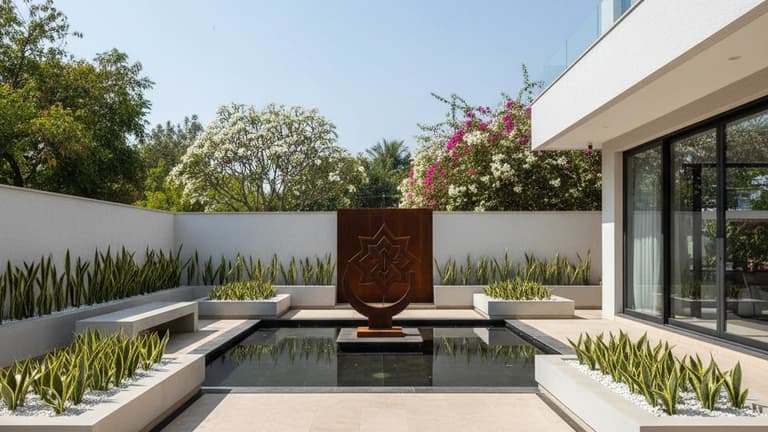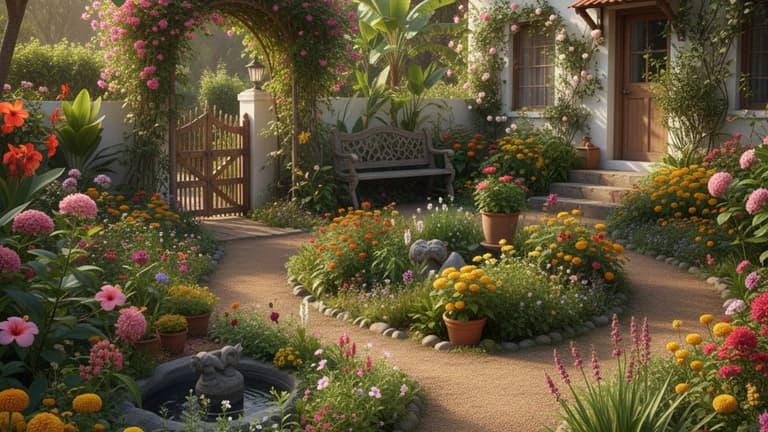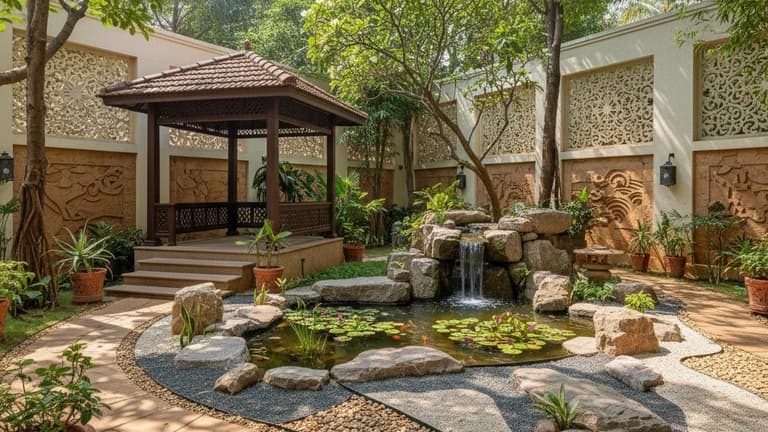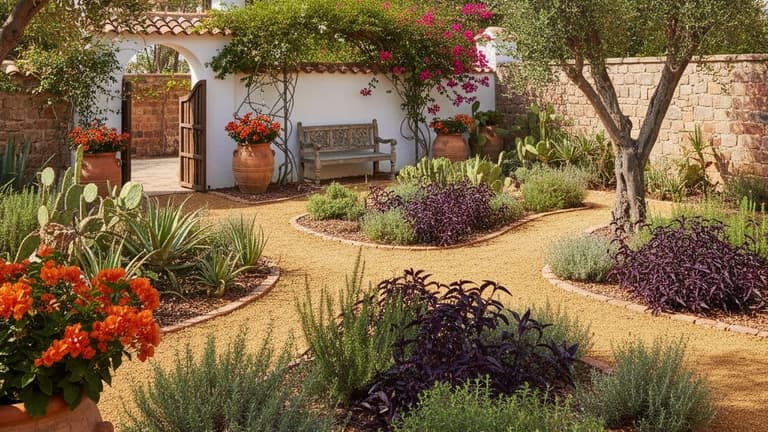
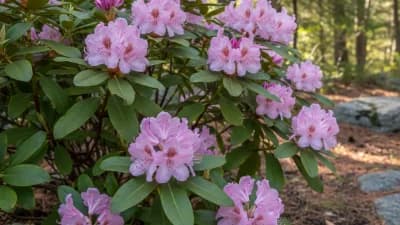
Native Plant Garden Design in India - Ecological Gardens with Indigenous Indian Flora

India is one of the world's great centres of plant diversity, home to over 18,000 species of flowering plants across its extraordinary range of ecosystems from the Himalayan alpine meadows to the tropical Western Ghats rainforests, from the Thar Desert to the mangrove swamps of the Sundarbans. Indian gardens have a millennia-old tradition deeply intertwined with Ayurveda, spiritual practice and daily life. A native plant garden in India draws on this immense botanical wealth to create spaces that support local pollinators and wildlife, conserve precious water resources, thrive in regional climates without chemical inputs, and honour the deep cultural bonds between Indian communities and their indigenous plants.

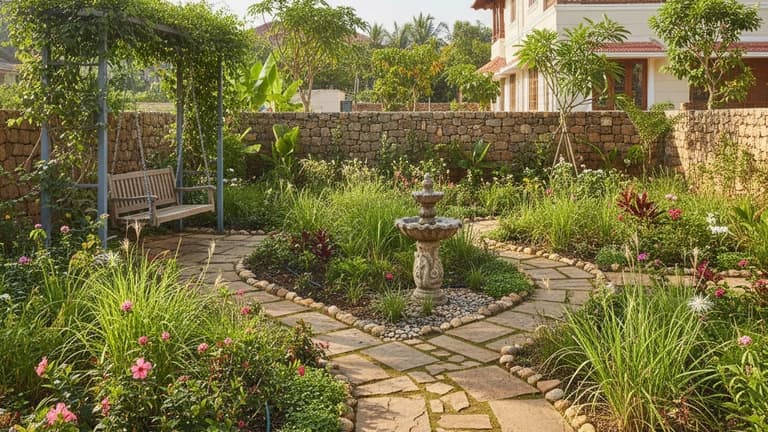
Native Plant Garden in India

Why Choose This Style for India?

Mega-biodiverse country with native plants adapted to every conceivable climate condition

🌱

Thousands of years of traditional knowledge about native plant uses in Ayurveda and agriculture

💚

Strong monsoon rains provide natural irrigation for established native species

Climate Adaptation for India

Indian native plant gardens follow the rhythm of the monsoon. Pre-monsoon (March-May) sees spectacular flowering of native trees like gulmohar, amaltas and Indian laburnum. The monsoon season (June-September) brings explosive growth with native grasses, rain lilies and wetland species thriving. Post-monsoon autumn (October-November) showcases late bloomers and fruiting species. Winter (December-February) is the prime planting season in most of India, with pleasant temperatures ideal for establishing new native plantings and enjoying the blooms of jasmine, chrysanthemum and winter-flowering native shrubs.

Key Challenges
  • Extreme monsoon rainfall followed by prolonged dry seasons across most regions
  • Intense summer heat exceeding 45°C in northern plains and central India
  • Highly variable conditions from Himalayan cold to tropical coastal humidity
  • Urban heat island effect and air pollution in rapidly growing Indian cities
Regional Advantages
  • Mega-biodiverse country with native plants adapted to every conceivable climate condition
  • Thousands of years of traditional knowledge about native plant uses in Ayurveda and agriculture
  • Strong monsoon rains provide natural irrigation for established native species
  • Growing awareness of ecological gardening and native plant conservation across Indian cities

Key Design Principles

Ecosystem-Based Regional Design

Design gardens that reflect India's local ecosystems. In the Western Ghats region, create shola-inspired plantings with native understorey species. In the Indo-Gangetic plains, use native riparian and grassland species. In Rajasthan, embrace xerophytic natives. In the Northeast, draw from the rich subtropical flora. Selecting plants from your bioregion ensures ecological authenticity and optimal performance.

Monsoon-Adapted Water Management

Leverage the natural adaptation of Indian native plants to the monsoon cycle of intense rain followed by dry months. Design rain gardens and swales to capture monsoon runoff. Select deep-rooted native species that store water during rains and survive dry seasons. Minimise irrigation by matching plant choices to your region's natural rainfall pattern.

Pollinator and Wildlife Corridors

Create connected habitats for India's rich pollinator diversity including native bees, butterflies, sunbirds and fruit bats. Plant nectar-rich native species like Indian jasmine, kadamba and flame of the forest. Include host plants for native butterfly species. Provide fruiting trees for birds and small mammals. Even urban gardens can serve as vital stepping stones in pollinator corridors.

Ayurvedic and Cultural Plant Integration

Draw on India's ancient tradition of sacred and medicinal plants. Integrate tulsi, neem, ashwagandha, brahmi and other Ayurvedic natives that serve dual purposes as garden beauties and wellness resources. Sacred trees like banyan, peepal and ashoka carry deep cultural significance while providing magnificent structure and shade.

Heat-Resilient Layered Canopies

Combat India's intense heat through layered native canopies that create cool microclimates. Use tall native trees for upper canopy shade, mid-storey flowering trees, native shrubs for screening, and groundcover species to keep soil cool and moist. This multi-layered approach mimics natural Indian forest structure and can reduce ground temperatures by 10-15 degrees.

Low-Input Sustainable Maintenance

Design for minimal external inputs by choosing native plants that thrive in local soil conditions without chemical fertilisers or pesticides. Use natural leaf litter mulch, encourage beneficial predatory insects, and allow natural nutrient cycling. Indian native plants have evolved to succeed in local conditions, making them inherently low-maintenance once established.

Recommended Plants for India

These plants are specifically selected to thrive in your region's climate and complement this garden style perfectly.

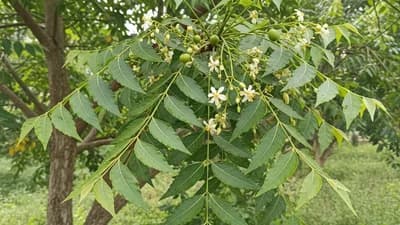
Neem
Neem

Azadirachta indica

Sacred and indispensable Indian native tree with natural pest-repellent properties, provides dense cooling shade, supports over 300 insect species and has been central to Indian life for millennia

Sun: Full sun

Water: Very low - extremely drought tolerant once established

Blooms: March-May

Tulsi
Tulsi

Ocimum tenuiflorum

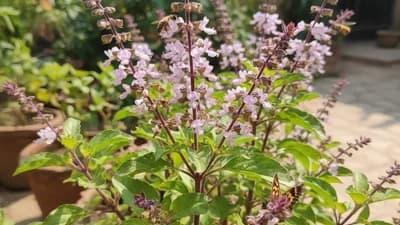
Sacred basil revered across India, aromatic perennial herb with Ayurvedic medicinal properties, attracts native bees and butterflies, traditionally grown in every Indian household

Sun: Full sun to partial shade

Water: Low to moderate - tolerates dry periods well

Blooms: Year-round in tropical regions

Indian Jasmine
Indian Jasmine

Jasminum sambac

Intensely fragrant native climbing shrub whose white flowers are integral to Indian culture from temple offerings to wedding garlands, blooms profusely through the warm months

Sun: Full sun to partial shade

Water: Moderate - benefits from regular watering during dry season

Blooms: April-November

Banyan
Banyan

Ficus benghalensis

India's national tree, a magnificent evergreen with aerial roots that form secondary trunks, provides vast shade canopy and supports an extraordinary ecosystem of birds, insects and small mammals

Sun: Full sun

Water: Low - deep roots access groundwater, very drought resilient

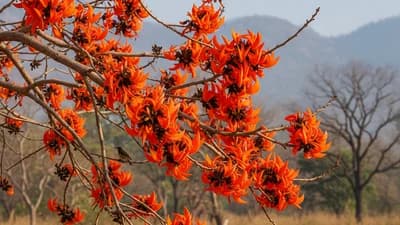
Flame of the Forest
Flame of the Forest

Butea monosperma

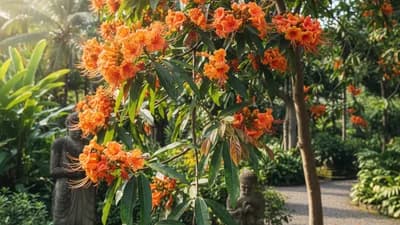
Stunning deciduous native tree that bursts into brilliant orange-red bloom in late winter when leafless, known as palash, it is the source of traditional Holi colours and a vital nectar source for birds

Sun: Full sun

Water: Very low - thrives in dry deciduous forest conditions

Blooms: February-April

Ashoka Tree
Ashoka Tree

Saraca asoca

Ancient sacred tree of India with dense evergreen foliage and clusters of fragrant orange-red flowers, culturally significant in Hindu and Buddhist traditions, excellent for shade gardens

Sun: Partial shade to full sun

Water: Moderate - prefers moist, well-drained soil

Blooms: February-May

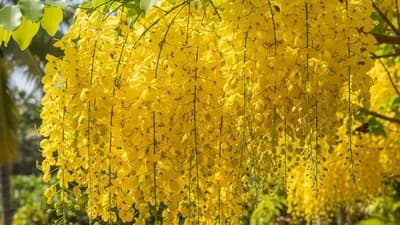
Golden Shower Tree
Golden Shower Tree

Cassia fistula

India's native amaltas produces spectacular cascading racemes of golden-yellow flowers in peak summer, Kerala's state flower, thrives in extreme heat and attracts numerous pollinators

Sun: Full sun

Water: Low - highly drought tolerant when established

Blooms: April-June

Indian Lotus
Indian Lotus

Nelumbo nucifera

India's national flower, sacred aquatic plant with large pink blooms rising above circular leaves, deeply rooted in Indian spiritual and artistic tradition, excellent for water gardens and ponds

Sun: Full sun

Water: High - aquatic plant requiring standing water

Blooms: June-September

Ready to Bring This Style to Life?

Upload a photo of your yard and get AI-powered native plant garden designs with plants perfectly suited to India's climate.

Start Designing Now

Essential Design Features

Pathways and Surfaces
  • Laterite stone pathways common in South and Western India
  • Kota stone or Jaisalmer sandstone paving in warm tones
  • Brick jali (perforated) edging along garden paths
  • Gravel paths using local river pebbles and crushed stone
  • Permeable surfaces with native groundcover between pavers
Water Features and Management
  • Lotus pond or small tank inspired by traditional Indian water gardens
  • Rain garden planted with native moisture-loving species
  • Stepwell-inspired sunken water feature with native aquatic plants
  • Traditional stone bird bath or chabutra for wildlife
  • Rooftop rainwater harvesting connected to garden irrigation
  • Shallow water dish for butterflies and native bees
Structural Elements
  • Pergola with native climbers like jasmine, rangoon creeper and madhavi lata
  • Jali screens or lattice walls providing filtered light and ventilation
  • Raised masonry planters for Ayurvedic herb collections
  • Natural stone or terracotta seating integrated into garden walls
  • Bamboo structures using native bamboo species for shade and screening
Ecological Installations
  • Butterfly garden zone with native host and nectar plants
  • Nesting boxes for native sunbirds, barbets and mynas
  • Insect hotel for native solitary bees and beneficial wasps
  • Composting area integrated into garden for organic waste recycling
  • Leaf litter zone under native trees maintained for soil organisms
  • Native bee hive station for stingless bees (Tetragonula species)

Seasonal Maintenance Guide

Spring
  • Enjoy the spectacular pre-monsoon flowering of native trees
  • Prune winter-damaged branches and shape native shrubs
  • Prepare planting areas with compost for monsoon season plantings
  • Mulch heavily around plants to conserve soil moisture through approaching summer heat
  • Install or repair rainwater harvesting systems before monsoon arrives
  • Sow seeds of native annuals and monsoon-germinating species
Summer
  • Water newly planted natives during extreme heat periods only
  • Maintain deep mulch layers to protect soil from intense sun
  • Allow established native plants to follow their natural dry-season dormancy
  • Provide temporary shade for young transplants during peak heat
  • Clean and prepare rain gardens for the approaching monsoon season
  • Harvest seeds from native species that fruit in summer
Autumn
  • Assess monsoon damage and remove any broken branches
  • Divide and transplant native perennials and grasses
  • Plant native trees and shrubs as temperatures moderate
  • Collect seeds from post-monsoon flowering native species
  • Allow fallen leaves to remain as natural mulch under native trees
  • Remove invasive weeds that established during the monsoon rains
Winter
  • Primary planting season across most of India for native trees and shrubs
  • Enjoy winter-flowering natives like jasmine and winter cassia
  • Prune deciduous native trees while dormant and leafless
  • Maintain bird feeders and water sources during the dry season
  • Plan new additions and research native species for your region
  • Propagate native plants from cuttings in the mild weather

Investment Guide

Estimated costs for creating your native plant garden in India

Small Garden
  • Plants
    INR 5,000 - 12,000
    Native herbs, perennials, small shrubs and groundcovers for 15-25 sqm
  • Hardscaping
    INR 8,000 - 15,000
    Local stone pathways, brick edging and gravel surfaces
  • Ecological Features
    INR 2,000 - 4,000
    Bird bath, nesting box and small insect habitat
  • Soil and Mulch
    INR 1,500 - 3,000
    Compost, vermicompost and organic mulch materials
  • Total
    INR 16,500 - 34,000
    Compact native garden with basic ecological elements
Medium Garden
  • Plants
    INR 15,000 - 30,000
    Native trees, shrubs, perennials, climbers and grasses for 40-70 sqm
  • Hardscaping
    INR 20,000 - 40,000
    Stone pathways, raised planters and permeable paving areas
  • Water Features
    INR 10,000 - 25,000
    Small lotus pond, rain garden or traditional water feature
  • Structures
    INR 12,000 - 25,000
    Pergola with native climbers, seating walls and screening
  • Ecological Features
    INR 5,000 - 10,000
    Butterfly garden, bird stations and composting setup
  • Total
    INR 62,000 - 1,30,000
    Diverse native garden with water features and wildlife habitat
Large Garden
  • Plants
    INR 40,000 - 80,000
    Mature native trees, extensive shrub and perennial plantings for 100+ sqm
  • Hardscaping
    INR 50,000 - 1,00,000
    Extensive stone work, multiple pathways, terracing and paved areas
  • Water Features
    INR 25,000 - 50,000
    Large lotus pond, rain garden system and water recycling setup
  • Structures
    INR 30,000 - 60,000
    Multiple pergolas, jali screens, bamboo structures and seating areas
  • Ecological Features
    INR 10,000 - 20,000
    Comprehensive wildlife habitat with themed ecological zones
  • Total
    INR 1,55,000 - 3,10,000
    Expansive native landscape with complete ecological garden design

Frequently Asked Questions

Transform Your Yard Today

Get personalized native plant garden designs created by AI, featuring plants that thrive in India. Upload your yard photo and see your dream garden come to life in minutes.

Start Your Design