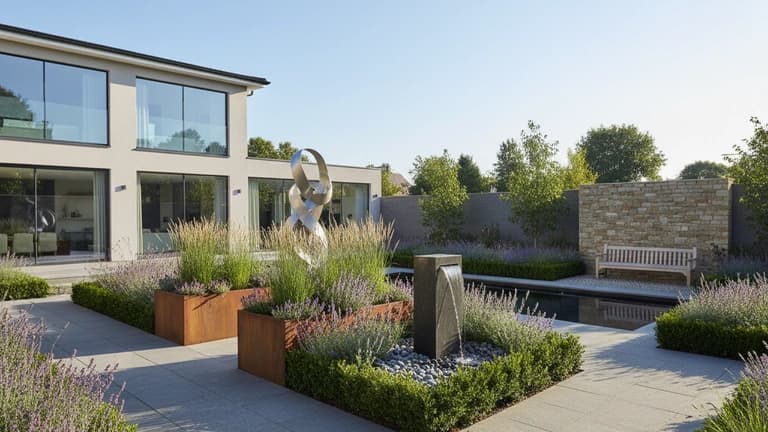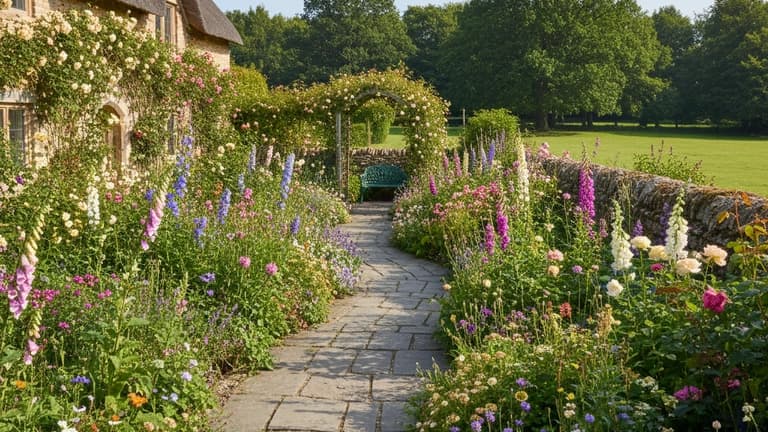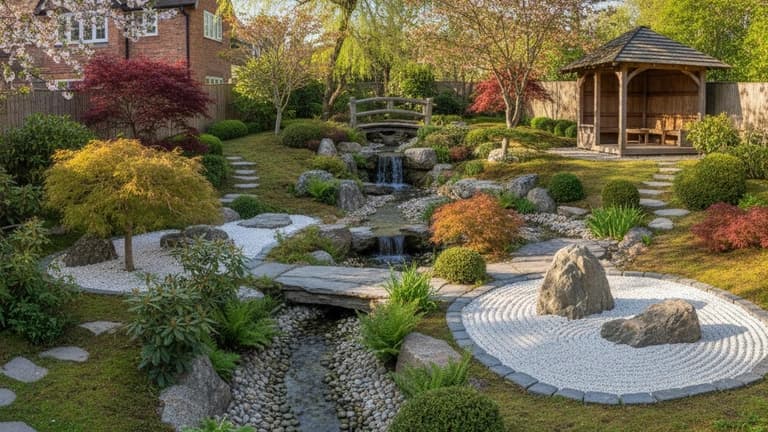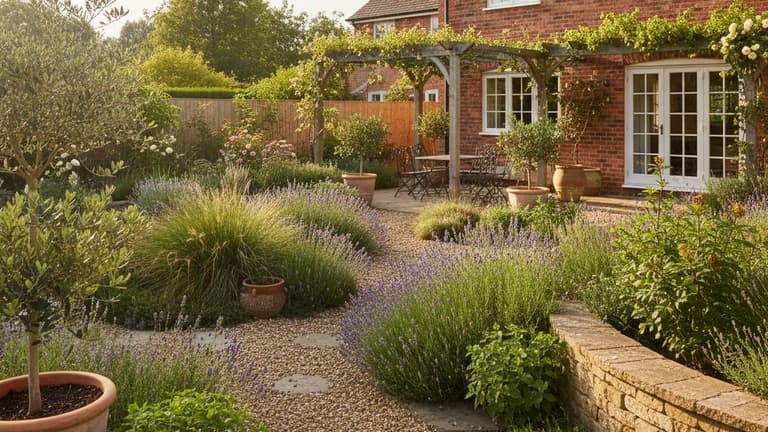
Native Plant Garden Design in the United Kingdom - British Wildflower Gardens

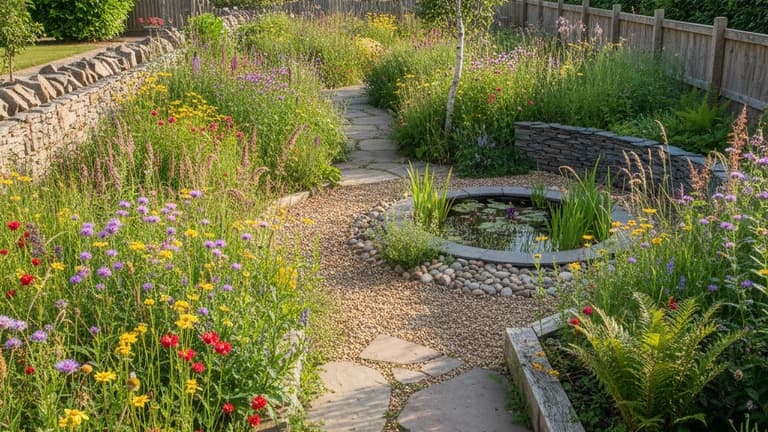
The United Kingdom supports a rich native flora of over 1,500 flowering plant species, from ancient bluebell woodlands to wildflower meadows and coastal heathlands. Discover how to create a beautiful, wildlife-friendly garden using indigenous British plants that support declining pollinators, provide habitat for garden birds, and celebrate the subtle, seasonal beauty of the British countryside, all while requiring less maintenance than traditional gardens.

Native Plant Garden in United Kingdom

Why Choose This Style for United Kingdom?

Mild maritime climate supporting a wide range of native species year-round

🌱

Reliable rainfall in most regions reducing the need for irrigation

💚

Long growing season from March through November in southern areas

Climate Adaptation for United Kingdom

British native gardens offer enchanting seasonal interest. Spring (March-May) brings primroses, bluebells, cowslips and hawthorn blossom. Summer (June-August) showcases wildflower meadows with ox-eye daisies, foxgloves and field scabious. Autumn (September-November) delivers rich berry displays from hawthorn, blackthorn and dog rose, plus spectacular foliage colour. Winter (December-February) features evergreen holly, ivy, and the structural beauty of bare native trees. Design to celebrate the gentle rhythm of British seasons.

Key Challenges
  • Increasingly hot and dry summers requiring more resilient plant choices
  • Unpredictable rainfall patterns with both drought and waterlogging risks
  • Shorter daylight hours in winter limiting some flowering plants
  • Heavy clay soils in many regions requiring careful species selection
Regional Advantages
  • Mild maritime climate supporting a wide range of native species year-round
  • Reliable rainfall in most regions reducing the need for irrigation
  • Long growing season from March through November in southern areas
  • Strong conservation movement with excellent native plant nursery availability

Key Design Principles

Wildlife-First Design

Prioritise habitat creation for British wildlife. Include nectar-rich plants for declining pollinators, berry-bearing shrubs for garden birds, dense hedgerows for nesting, log piles for hedgehogs, and pond habitats for amphibians. Every design decision should consider its benefit to native wildlife.

Wildflower Meadow Creation

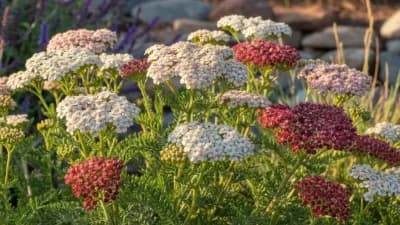
Replace traditional lawns with native wildflower meadows featuring ox-eye daisies, knapweed, yarrow, bird's-foot trefoil and native grasses. These beautiful, low-maintenance spaces support far more biodiversity than mown grass and require cutting just once or twice a year.

Native Hedgerow Planting

Plant mixed native hedgerows using hawthorn, blackthorn, field maple, hazel, dog rose and holly. Native hedgerows are Britain's most important wildlife habitat, supporting over 2,000 species. They provide food, nesting sites, shelter and wildlife corridors through the landscape.

Woodland Edge and Understorey

Create dappled shade areas mimicking native woodland edges with ferns, foxgloves, primroses, wood anemones and native bulbs. These shaded areas add seasonal drama and support shade-loving wildlife including woodland butterflies and ground-nesting bees.

Pond and Wetland Habitat

Include a wildlife pond, however small, as the single most impactful feature for garden biodiversity. Plant with native aquatic species like water mint, marsh marigold, yellow flag iris and native water lilies. Provide sloping edges for amphibian access and avoid introducing fish.

Seasonal Continuity

Plan for continuous nectar and pollen from early spring to late autumn. Include early bloomers like pussy willow and primrose, summer wildflowers, late-season ivy and devil's-bit scabious. Provide winter berries and shelter to support wildlife through the leanest months.

Recommended Plants for United Kingdom

These plants are specifically selected to thrive in your region's climate and complement this garden style perfectly.

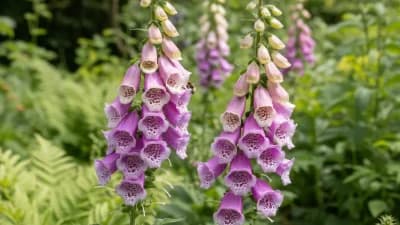
Foxglove
Foxglove

Digitalis purpurea

Iconic British biennial with tall spires of tubular purple-pink flowers beloved by bumblebees, self-seeds freely in shaded spots, a quintessential cottage and woodland garden plant

Sun: Part shade to shade

Water: Moderate - prefers moist, humus-rich soil

Blooms: Early to mid summer

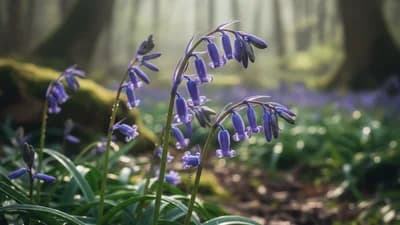
Bluebell
Bluebell

Hyacinthoides non-scripta

Britain's favourite wildflower creating iconic carpets of violet-blue in ancient woodlands, sweetly scented with gracefully arching stems, an important early nectar source

Sun: Part shade to shade

Water: Moderate - prefers humus-rich woodland soil

Blooms: Late spring

Primrose
Primrose

Primula vulgaris

Beloved British native with pale yellow flowers appearing on banks and hedgerows in early spring, crucial early nectar source for emerging butterflies and bumblebees

Sun: Part shade to dappled sunlight

Water: Moderate - prefers cool, moist conditions

Blooms: Early spring

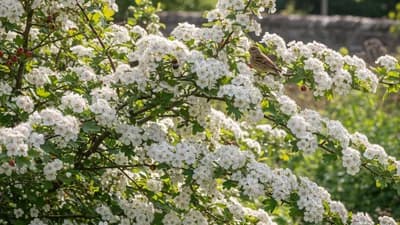
Hawthorn
Hawthorn

Crataegus monogyna

The backbone of British hedgerows with frothy white May blossom and red autumn haws, supports over 300 insect species and provides essential nesting habitat for garden birds

Sun: Full sun to part shade

Water: Low to moderate - extremely tough and adaptable

Blooms: Late spring

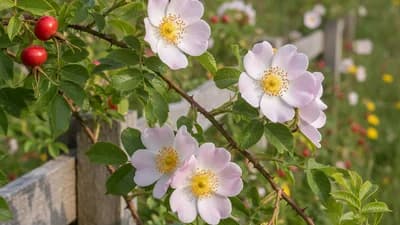
Dog Rose
Dog Rose

Rosa canina

Elegant scrambling native rose with simple pink-white flowers followed by bright red rose hips rich in vitamin C, provides food and shelter for birds and dormice

Sun: Full sun to part shade

Water: Low - drought tolerant once established

Blooms: Early summer

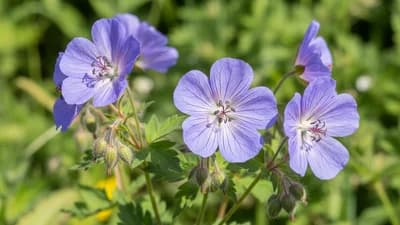
Field Scabious
Field Scabious

Knautia arvensis

Beautiful meadow wildflower with lilac-blue pincushion flowers on wiry stems, outstanding nectar source for bees and butterflies, thrives in well-drained chalky soils

Sun: Full sun

Water: Low - prefers well-drained soil

Blooms: Summer to early autumn

Red Campion
Red Campion

Silene dioica

Cheerful native woodland edge plant with pink-red flowers from spring through summer, excellent for brightening shaded areas, attracts long-tongued bumblebees

Sun: Part shade to full sun

Water: Moderate - adaptable to most soils

Blooms: Spring to autumn

Holly
Holly

Ilex aquifolium

Iconic British evergreen tree with glossy spined leaves and bright red winter berries essential for thrushes and blackbirds, provides crucial winter shelter for roosting birds

Sun: Full sun to shade

Water: Low to moderate - very adaptable

Blooms: Late spring (inconspicuous flowers)

Ready to Bring This Style to Life?

Upload a photo of your yard and get AI-powered native plant garden designs with plants perfectly suited to United Kingdom's climate.

Start Designing Now

Essential Design Features

Surfaces and Paths
  • Local natural stone (York stone, Cotswold limestone, slate)
  • Hoggin or self-binding gravel for informal paths
  • Mown grass paths through wildflower meadow areas
  • Reclaimed brick for traditional cottage garden feel
  • Bark chip paths through woodland areas
Water Features
  • Wildlife pond with gently sloping edges and native planting
  • Bog garden for moisture-loving native species
  • Simple stone birdbath for garden birds
  • Rain garden for sustainable drainage
  • Small stream or rill with native marginal plants
  • Water butt for rainwater harvesting
Wildlife Structures
  • Log pile and brash heap for hedgehogs and invertebrates
  • Dry stone wall with planting crevices for ferns and wild strawberry
  • Bird nesting boxes for blue tits, robins and house sparrows
  • Bat boxes on mature trees or buildings
  • Insect hotel using hollow stems, drilled wood and pine cones
  • Hedgehog highway gaps in fences
Themed Zones
  • Native wildflower meadow with seasonal mowing regime
  • Woodland understorey with bluebells and ferns
  • Mixed native hedgerow with climbers
  • Cottage-style border with native perennials
  • Sensory herb garden with native thyme, marjoram and mint
  • Fruit and nut area with native crab apple, hazel and elder

Seasonal Maintenance Guide

Spring
  • Cut back dead perennial stems left over winter for wildlife
  • Sow native wildflower seed in prepared bare soil patches
  • Remove invasive non-native species like Himalayan balsam
  • Clean out wildlife pond of excess blanket weed
  • Apply leaf mould mulch around woodland plants
  • Check nest boxes are clean and ready for breeding birds
Summer
  • Allow wildflower meadow to grow tall and flower fully
  • Cut meadow in late July after seeds have set, remove cuttings
  • Deadhead perennials lightly to extend flowering season
  • Keep birdbath topped up during dry spells
  • Enjoy and record the wildlife visiting your garden
  • Take cuttings of native shrubs for propagation
Autumn
  • Plant native trees, hedgerow whips and bare-root shrubs
  • Leave seed heads standing for birds and overwintering insects
  • Create log piles from autumn prunings for hedgehog hibernation
  • Plant native spring bulbs like bluebells, snowdrops and wild daffodils
  • Scatter yellow rattle seed in meadow areas to suppress grasses
  • Build or refresh leaf litter and compost heaps
Winter
  • Appreciate the structural beauty of bare native trees and hedgerows
  • Prune native hedgerows and coppice hazel during dormancy
  • Leave herbaceous stems and leaf litter as insect hibernation sites
  • Plan spring plantings and order bare-root native plants
  • Put out supplementary food and water for birds in hard weather
  • Maintain and sharpen garden tools during quiet months

Investment Guide

Estimated costs for creating your native plant garden in United Kingdom

Small Garden
  • Plants
    £350 - £700
    Native wildflowers, perennials and small shrubs for 20-30 sqm
  • Materials
    £500 - £1,000
    Gravel, reclaimed stone, bark mulch
  • Wildlife Features
    £150 - £350
    Nest boxes, insect hotel, hedgehog house, birdbath
  • Meadow Seed
    £100 - £200
    Native wildflower and grass seed mix for small area
  • Total
    £1,100 - £2,250
    Compact native wildlife garden with meadow area
Medium Garden
  • Plants
    £1,000 - £2,000
    Native trees, hedgerow whips, perennials, bulbs and meadow for 50-80 sqm
  • Materials
    £2,000 - £4,000
    Natural stone paving, gravel paths, dry stone walling
  • Water Features
    £600 - £1,500
    Wildlife pond with liner, native aquatic plants and edging
  • Wildlife Infrastructure
    £400 - £800
    Nest boxes, bat boxes, log piles, insect hotels, hedgehog gaps
  • Total
    £4,000 - £8,300
    Complete native garden with pond, meadow and hedgerow
Large Garden
  • Plants
    £2,500 - £5,000
    Mature native trees, extensive hedgerow, woodland and meadow for 120+ sqm
  • Materials
    £5,000 - £10,000
    Extensive stonework, paths, walls and terracing
  • Water Features
    £1,500 - £3,500
    Large wildlife pond, bog garden and rain garden
  • Structures
    £3,000 - £6,000
    Pergola with native climbers, seating areas, extensive wildlife infrastructure
  • Total
    £12,000 - £24,500
    Expansive native garden with complete habitat mosaic

Frequently Asked Questions

Transform Your Yard Today

Get personalized native plant garden designs created by AI, featuring plants that thrive in United Kingdom. Upload your yard photo and see your dream garden come to life in minutes.

Start Your Design